

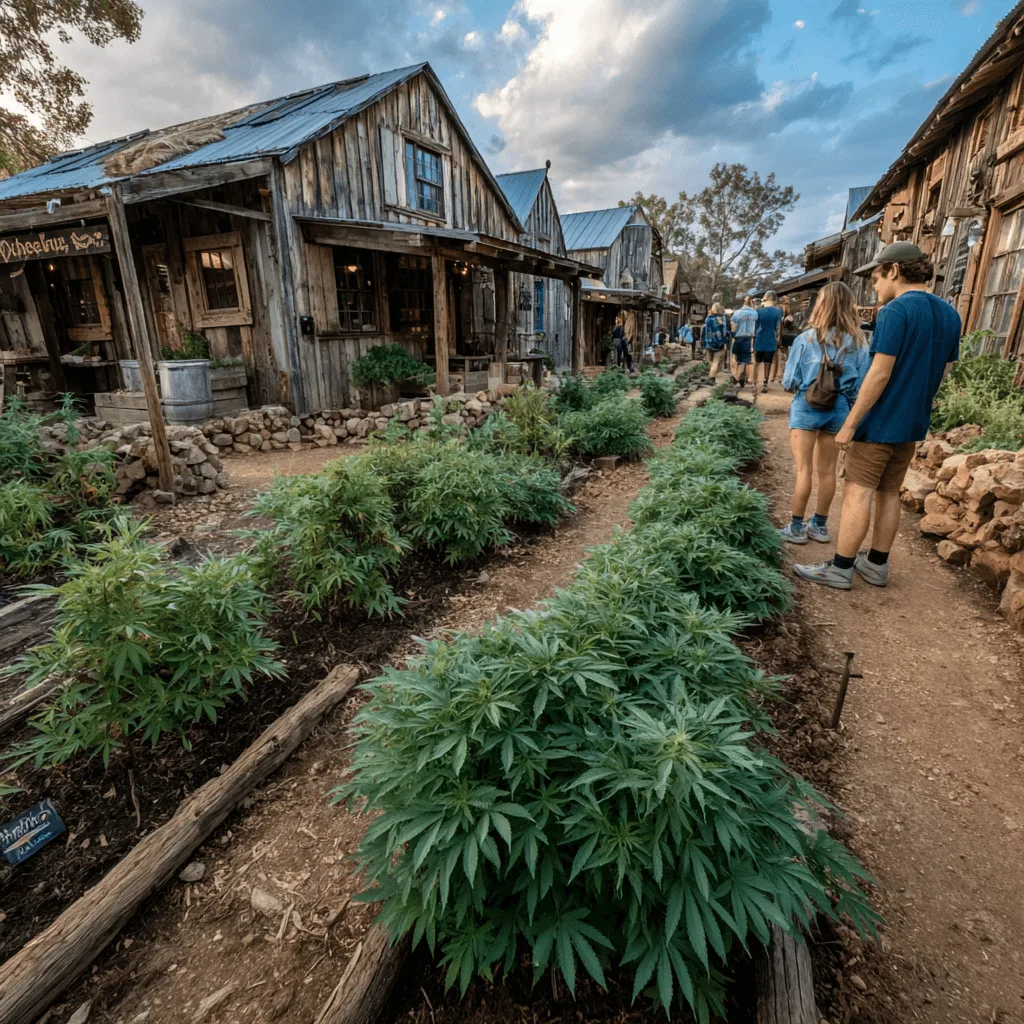
Ellis County Rural Heritage Farm: THC Historic Site Quest
Ellis County Rural Heritage Farm is front and center in Texas’ evolving cannabis landscape. As cannabis legalization gains momentum and historic spaces get new recognition, this farm’s mission to secure THC State Historic Site designation is a must-watch. With communities reassessing the value of agricultural heritage and the economic promise of hemp, this Ellis County site embodies the crossroads between rural tradition and a progressive cannabis future. Here’s why its story matters for everyone cheering the next great Texas green wave.
Texas Cannabis: Background, Regulation & Shaping Social Attitudes
Texas might not be the first state you think of when it comes to cannabis progress, but the ground is shifting. The Texas Legislature has historically drawn a hard line, yet cracks are showing as hemp agriculture blossoms and neighboring states normalize cannabis. Legal hemp farming since 2019 (thanks to the Texas Hemp Bill) opened the door for places like Ellis County Rural Heritage Farm to emerge as grassroots advocates. Public opinion keeps shifting greener, according to Pew Research Center. Meanwhile, rural communities look to cannabis not just as a crop, but as a way to preserve legacy and drive economic resilience. Much of the state’s current legal, and cultural, debate centers on how such heritage farms navigate bureaucracy, legacy stigma, and their dreams of being recognized for what they truly are: pillars of evolving Texas culture. Ongoing changes in THC regulations are reshaping access and rights for hemp in the state, as seen in recent legal updates about Texas hemp THC age bans, which further influence how communities adapt to new norms.
Key Developments: Ellis County Rural Heritage Farm’s Pursuit
The push by Ellis County Rural Heritage Farm to secure recognition as a THC State Historic Site blends old-school rural pride with modern cannabis advocacy. The farm, long regarded for its classic wooden barns and generational presence in North Texas, announced its campaign for historic site status in October 2025. According to Waxahachie Daily Light, this bid hinges on demonstrating both agricultural impact and shifting local perceptions around hemp and cannabis cultivation. The Texas Historical Commission requires sites to contribute significantly to the state’s cultural heritage. That means Ellis County Rural Heritage Farm must document not just its role in community history, but also its leadership in legal hemp production and cannabis education. As of October 2025, farm stakeholders held town halls, brought historic artifacts out for display, and worked in tandem with the Texas Historical Commission to move the process along. Some longtime locals voiced concern over cannabis associations, but farm leaders leaned into open dialogue and education. They’re emphasizing transparent operations, intersection with Texas’ long history of innovation in agriculture, and how legal hemp fits the narrative of rural resilience. Discussions have also referenced nearby counties’ approaches to regulating THC access for youth, as described in how age restriction laws are affecting THC access in places like Dane County. The designation could bring not just prestige, but access to resources for preservation and sustainable operations at Ellis County Rural Heritage Farm. As the THC application moves forward, this story tracks the dynamic between tradition and advocacy, cementing the farm’s reputation as both a cultural landmark and a leader in Texas’ green transition.
Expert Analysis: Tradition Meets a New Texas Green Economy
The Ellis County Rural Heritage Farm saga is more than a paperwork chase. It’s proof of how the old guard and new-school cannabis culture can vibe. Industry veterans point out that farms like this are “the backbone of local cannabis legitimacy,” as Leafly contributor Bruce Barcott puts it. He notes, “Historic rural farms bring authenticity, and they’re key to de-stigmatizing hemp in conservative regions.” According to Marijuana Moment, more Texas counties are quietly pivoting to allow legal cannabis pilot programs as regulators recognize the crop’s post-COVID economic potential. The heritage angle doesn’t just touch local hearts—it opens doors for legitimacy and economic growth statewide, especially as other states prove agriculture and cannabis are better together. This trend toward greater legitimacy echoes similar stories seen elsewhere, such as ongoing debates around law enforcement and cannabis possession in Texas, which are discussed in recent Amarillo narcotics enforcement cases and their wider legal impact. Ellis County Rural Heritage Farm stands as a blueprint for marrying farm legacy with a 21st-century green rush.
Future Outlook: Texas Roots, Green Shoots
Ellis County Rural Heritage Farm reminds us that the road to cannabis normalization is as much about storytelling as science. As Texas adapts—sometimes slowly, always proudly—the farm’s THC Historic Site quest could inspire similar moves across the state. Heritage sites aren’t just old barns; they’re living proof that Texas can honor its roots while embracing new growth. As highlighted in Cannabis Business Times, industry watchers see rural heritage farms as power players in the next wave of legalization and agri-innovation. Expect Ellis County Rural Heritage Farm to stay at the epicenter, planting seeds for economic resilience and the next chapter of Texas cannabis. It’s not just about the green plants—it’s about weaving them naturally into the Lone Star legacy.
Originally reported by: waxahachietx.com