





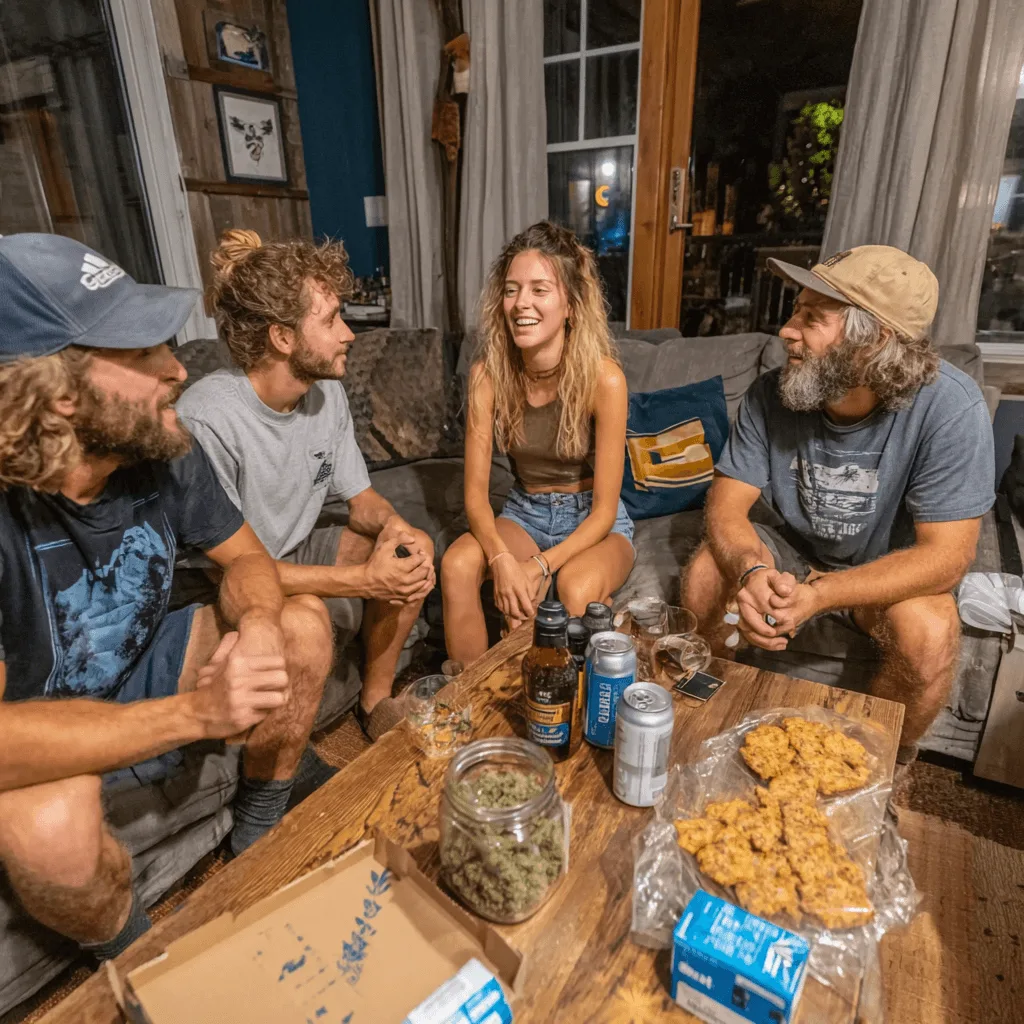
Wisconsin Cannabis Law Loopholes: What You’re Not Being Told
Right now, the cannabis scene in Wisconsin is sparking serious curiosity. With news buzzing about surprising legal loopholes, casual consumers and industry pros alike are asking big questions. “Wisconsin cannabis law loopholes” isn’t just some trending phrase—it’s a real-life legal gray area affecting thousands. Why does this matter today? Public demand for reform is climbing, talk of lawsuits is heating up, and the recent news cycle keeps spotlighting stories like Delta-8’s run at legality. In this roundup, you’ll get the scoop on what’s shaking up Wisconsin’s market, how companies are pushing boundaries, and what it all means if you care about honest, rational cannabis policy. Stick around, because there’s more beneath the surface than you’ve heard from the headlines.
The Legal Landscape: Background & Context
Wisconsin stands out as one of the few Midwestern states still holding tight to strict cannabis prohibition. While neighboring Illinois and Michigan have blazed forward with full legalization and regulated sales, Wisconsin sticks to a patchwork of laws. Technically, all forms of recreational marijuana remain illegal under state law. Yet, thanks to the 2018 federal Farm Bill (source: Congress.gov), hemp-derived products with less than 0.3% Delta-9 THC have flooded the market. That’s opened up not just confusion, but a full-on Wild Midwest when it comes to CBD, Delta-8, and even appearance-based cannabis products. Those who understand loopholes in Wisconsin’s cannabis law know the real trick isn’t in the statute books, it’s in the chemistry: converting hemp into psychoactive compounds that skirt regulatory limits. For those seeking progress, advocates and patients alike are closely watching developments and reform campaigns—see the current effort to legalize medical marijuana in Wisconsin for the latest legislative updates. According to NORML, this ambiguity keeps consumers and business owners on their toes, wondering what’s legal today may be restricted tomorrow. Meanwhile, law enforcement, policymakers, and advocates find themselves locked in a kind of legal tug-of-war that shows no signs of quick resolution.
Recent Developments: Lawsuits, Litigation, and Market Moves
This year, a series of headline-grabbing lawsuits has thrown Wisconsin’s cannabis industry into the spotlight. Take the October 2025 case that began with a small food chain, Yeti Pizza, and a local Wisconsin cannabis supplier. According to Wisconsin Watch, the dispute centered on the alleged sale of THC-infused food items under the guise of hemp-derived legality. The state alleges these products skirt the law by exploiting the 0.3% THC loophole, while still causing psychoactive effects. Local districts and county DA offices have also cracked down, sending warning letters and, in some cases, pursuing civil injunctions against retailers. Notably, this kind of patchwork enforcement—where some shops have been forced to pull certain products, while others continue selling items like Delta-8 gummies or vapes—mirrors developments seen in other states embroiled in cannabis law battles, such as the recent marijuana raids in Kansas and legal uncertainties there. Industry experts told Milwaukee Journal Sentinel that this patchwork enforcement only deepens confusion, emboldens creative chemistry, and leaves a trail of lawsuits across the state. Meanwhile, consumers trying to follow the rules end up as collateral damage, caught between marketing, law, and murky guidance from the authorities.
Expert Perspectives: How This All Plays Out for Wisconsinites
So, what do those in the trenches think? Plenty of veteran advocates and policy thinkers have weighed in, and most agree: the most troubling thing about Wisconsin’s regulatory loopholes is the uncertainty it breeds. When rules are this ambiguous, both legitimate players and bottom-feeders find ways to push boundaries. Samantha Smithson, regulatory analyst at MJBizDaily, sums up the situation: “Legal ambiguity gives a false sense of safety for everyone from consumers to shop owners. If you build your business plan around a loophole, you’re gambling with the future.” This isn’t just theory—it’s backed up by Leafly reports showing how sudden shifts by regulators have shuttered some stores overnight. Some observers suggest that if Wisconsin followed the pace of regulatory change seen in states like Minnesota, where policymakers adapted quickly to new cannabinoids, confusion would subside. For instance, Minnesota’s evolving cannabis laws illustrate how timely reform can provide clarity for consumers and businesses alike. Experts at Marijuana Moment point to states like these that have successfully transitioned once loopholes outpaced laws. Leader quotes, like this from Erik Altieri of NORML, underscore the need for clarity: “Incomplete or outdated laws don’t protect consumers, they end up punishing them for following the market’s signals.” The time for half-measures is clearly over.
The Road Ahead: Towards Clarity (And Maybe a Little Common Sense)
Despite the rocky road, there are real reasons for optimism in Wisconsin’s cannabis community. Every lawsuit, every media expose, and every frustrated consumer brings the state closer to an overdue reckoning with its laws. Calls for reform are growing louder in Madison, and activists have never been more organized, according to ongoing coverage by Ganjapreneur. If lawmakers finally catch up with both market realities and mainstream opinion, Wisconsin could enjoy both economic and social benefits that neighbors like Illinois already see. Until then, the smartest move is to stay informed, keep the conversation going, and push for policies that put safety and clarity ahead of outdated prohibition. Wisconsin cannabis law loopholes haven’t just changed how people buy or sell—they’ve made clear the urgent need for reform. The future? It’s greener, smarter, and within reach for those ready to roll with reality.
Originally reported by: wisconsinwatch.org

2 Comments
Pingback: Kentucky Medical Cannabis Facility Gets Green Light
Pingback: Kansas Marijuana Raid Shocks Locals: The Inside Story