



Understanding the Changing Landscape: Social, Legal, and Regulatory Factors
The landscape of cannabis use during pregnancy is shaped by a tangled mix of evolving laws, shifting medical guidance, and a booming industry. Roughly half of US states have legalized recreational cannabis, and mainstream acceptance is at an all-time high, with Pew Research reporting that 88% of Americans back medical legalization. Still, when it comes to expecting parents, cannabis sits in a gray area. The federal government classifies marijuana as a Schedule I substance, but local jurisdictions are rewriting the rules almost monthly. Societal attitudes are shifting, more young adults see cannabis as a wellness product than a taboo, according to Statista. This perspective echoes the wider conversation about how everyday routines, such as integrating products like CBD gummies, are transforming wellness for many Americans. However, the question of safety during pregnancy remains hotly debated among experts, regulators, and advocacy groups. Medical professionals, meanwhile, are under mounting pressure to offer clear, science-backed advice amid conflicting information and fast-moving policy changes.
Doctors’ New Guidance: What You Need to Know
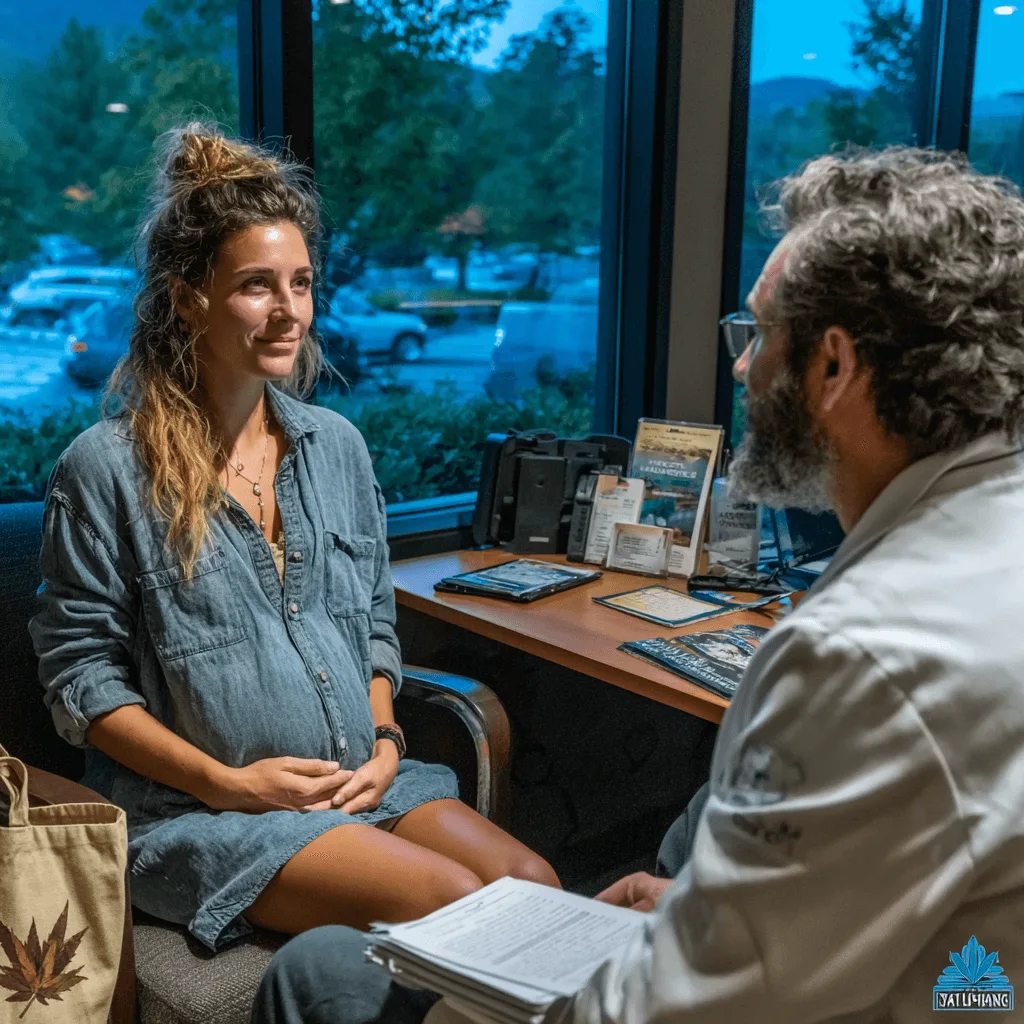
The latest wave of guidance comes on the heels of a new warning by a prominent group of doctors: pregnant individuals should avoid using cannabis throughout pregnancy. According to a recent article in Norfolk Ne Radio, medical professionals are urging patients and their physicians to take a clear-eyed look at the risks. The American College of Obstetricians and Gynecologists (ACOG) reaffirmed its stance on May 15, 2024, stating that no amount of cannabis use during pregnancy has been proven safe. This warning isn’t just about smoking, it covers edibles, tinctures, topicals, and vaping. The new guidance points to mounting evidence suggesting that cannabis use during pregnancy may impact baby’s brain development and lead to complications like low birth weight or preterm delivery. For those seeking more detailed information on potential dangers, it is vital to review the comprehensive health insights for parents in 2024. Notably, hospitals in several states have seen an uptick in reports of cannabis exposure among newborns, raising red flags for both pediatricians and public health officials. The document also stresses the need for open, honest conversations between pregnant patients and their healthcare providers, a move aimed at cutting through stigma so expecting parents feel empowered to ask questions.
Expert Analysis and Insights: Navigating the Nuance
Let’s break it down with some real talk. The quick jump from prohibition to acceptance has left gaps in research, especially when it comes to cannabis use during pregnancy. Industry leaders like Dr. Ethan Russo, a renowned neurologist and cannabis researcher, have called for more nuanced understanding, noting at the Leafly Cannabis Science Symposium that “the endocannabinoid system plays a vital role in early development, but most data we have are animal studies or self-reported surveys.” In other words, a lot of the evidence is still shaky. On the bright side, legal markets have spurred a wave of new clinical research, and harm reduction advocates are pushing for honest dialogue over blanket bans. While hyped-up media reports often skip the fact that self-medication is sometimes driven by nausea or anxiety—real issues for expecting moms—it is helpful to connect with recent perspectives from credible industry sources like individuals sharing real-life stories of using medical marijuana for chronic pain. The best approach, according to experts at Marijuana Moment, is honest education, so parents can make informed choices. As Russo notes, “We need more data, less stigma, and real empathy for people navigating difficult choices.”


1 Comment
Pingback: Wisconsin Hemp THC Ban: What Lawmakers Really Want