

If you thought Texas cannabis headlines couldn’t get more intense, think again. The state just dropped a headline-grabbing move: Abbott bans minors THC. Amid heated debates, national legalization pushes, and a fast-evolving hemp market, Governor Greg Abbott has ordered a strict ban on THC products for those under 21. With Texas already in the spotlight for its cannabis regulation style, this decision is bound to ripple through schools, families, and retail shops. Let’s break down why this breaking move matters so much, what led to it, and what comes next for the cannabis community.
Background: Texas Cannabis Laws & Social Dynamics
Texas has always kept cannabis on a tight leash, even as states like Colorado and California rolled out progressive reforms. The Texas Department of State Health Services classifies most cannabis products as controlled substances unless hemp-derived and below 0.3% Delta-9 THC. Since the 2018 Farm Bill, Texans have seen a CBD and hemp boom, leading to a thriving market for low-THC products, especially among younger consumers. However, concerns have grown about youth access and unregulated derivatives, as highlighted by NORML reports, which warn about legal gray areas and market loopholes. This evolving dynamic is not unique to Texas and mirrors what other states face when addressing marijuana-related offenses—a challenge also underscored in cases like the changing cannabis landscape during marijuana traffic stops. Socially, attitudes toward cannabis are warming up in Texas, as reported in the Texas Tribune, but policymakers remain cautious, especially regarding minors.
Key Developments: Abbott Bans Minors THC, What Happened?
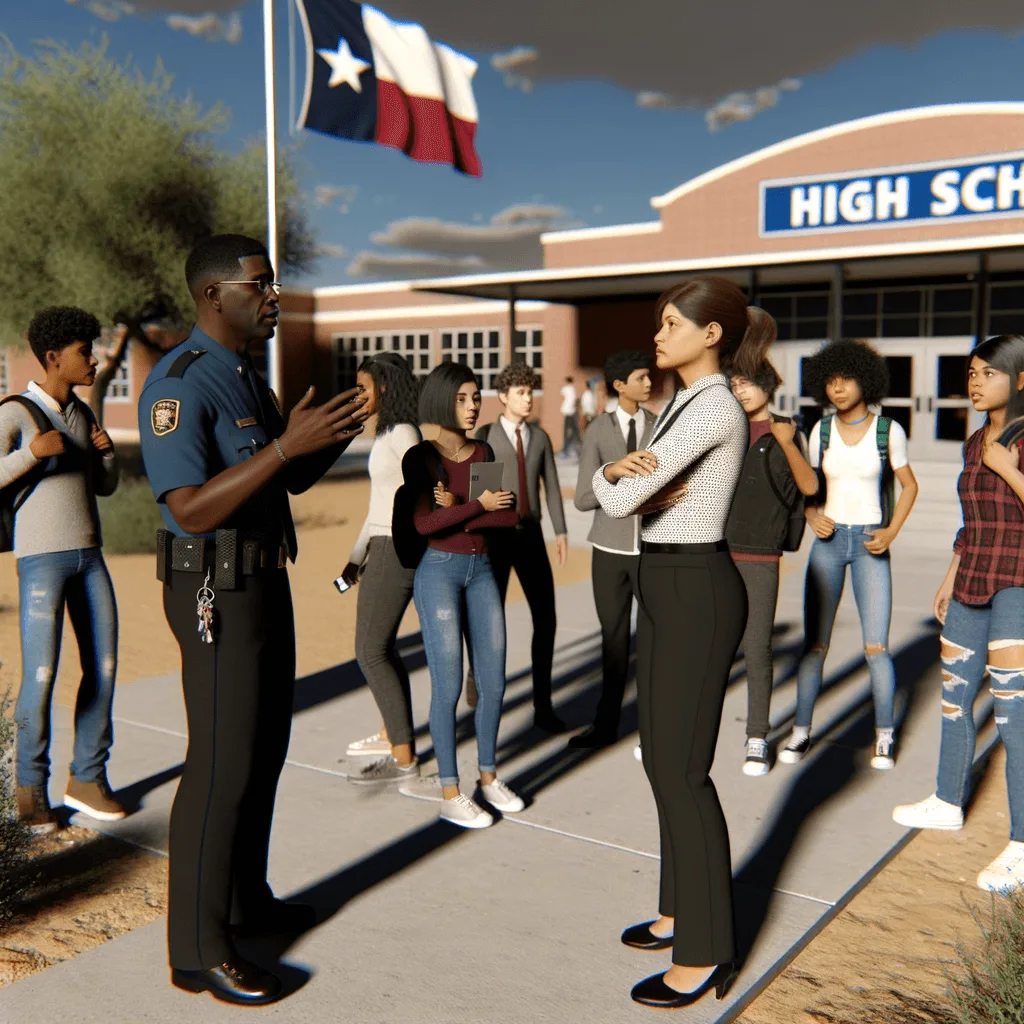
On June 11, 2024, Texas Governor Greg Abbott issued a statewide order banning the sale or distribution of all THC products, including Delta-8, Delta-9, and other hemp-derived THC variants, to anyone under 21. This move intensified enforcement at retail stores, online distributors, and locations frequented by teens, such as vape shops and convenience stores, as documented by the Palestine Herald-Press. School resource officers are now tasked with proactive outreach, new signage, and closer monitoring on campuses. Shop owners face steep fines for violations per new Texas Attorney General guidelines, while local law enforcement is partnering with school districts for education and compliance efforts. This regulatory shakeup has led to heated reactions and industry uncertainty, reflecting a larger trend in statewide cannabis regulation, similar to the situation captured in how Texans react as the hemp industry stands at a crossroads. Meanwhile, youth interest in THC-infused snacks, vapes, and gummies—covered by NBC News—has fueled medical emergencies and confusion regarding legal Delta-8 variants.
Expert Analysis: A Cannabis Industry Insider’s Take
Let’s keep it real, Abbott bans minors THC is a bold swing, but hardly surprising in Texas’ context. Major stakeholders have raised alarms about ease of access for young teens, but there’s nuance here—scapegoating the whole industry for what’s often a regulatory gap. As cannabis researcher Dr. Amanda Reiman, quoted by Leafly, puts it: “When states set clear, regulated boundaries with age verification and retail oversight, youth access to THC drops, not rises.” Many top brands already use strict ID tech, and most retail staff get solid compliance training. Still, this order signals Texas may be prepping for broader reforms—which has led to some intense policy pushback, as seen in the growing controversy around the new THC regulation order—by first drawing ethical lines around underage use. The move isn’t isolated, other conservative states have imposed similar bans, citing CDC-backed research about THC’s impact on the developing brain (CDC). Optionally, industry analysts at Hemmpr and Marijuana Moment note this could motivate more serious long-term investments in compliance technology and labeling.
Future Outlook: What’s Next for Texas and Cannabis Progress?
Despite the headlines—Abbott bans minors THC—the Texas cannabis wave isn’t losing momentum. Industry advocacy groups and progressive lawmakers will likely push for smarter, more nuanced regulations—aiming to protect teens and still empower Texas’ vibrant hemp scene. As noted by NORML, community education and targeted enforcement can do more good than blanket prohibition. Ultimately, this move could set a new standard nationally: balancing youth protection with fair, innovative industry growth. For now, the eyes of the cannabis world are back on Texas—and whether this new policy strengthens calls for responsible, adult-use frameworks. Even in the Lone Star State, the future for cannabis is blazing forward—and those who adapt, educate, and innovate will come out ahead.
Originally reported by: palestineherald.com