


Marijuana Grow Sequoia National Park: Shocking Discovery
If you follow cannabis news, you know big headlines can pop up anywhere—the mountains, the market, or even inside a peaceful National Park. The latest? A wild bust involving a marijuana grow Sequoia National Park. Officials just uncovered thousands of illegal cannabis plants deep in the park, sparking heated debates on regulation, safety, and the role of public lands. Let’s break down what happened, what it means for the industry, and how these events shape the future of responsible cannabis policy.
Understanding the Landscape: Regulation, Public Land & Cannabis Policy
The marijuana grow Sequoia National Park incident didn’t happen in a vacuum. As cannabis reform rolls across the U.S., the lines between legal grows and black-market cultivation often blur, especially on public land. Federal law still considers cannabis a Schedule I substance, which complicates operations for marijuana growers, particularly when they intersect with protected spaces like Sequoia National Park. In the context of global reform, countries like Australia are navigating their own challenges for the industry, as shown by recent company tax reform affecting cannabis businesses in Australia. While state-level legalization is progressing, large swaths of federal land remain off-limits, even for licensed growers. Enforcement in national parks remains robust, aimed at protecting wilderness and deterring unregulated activity, as reinforced by recent National Park Service guidance. Meanwhile, demand for high-quality cannabis hasn’t slowed, fueling both licensed and illicit cultivation in California — the nation’s flagship cannabis market, according to Leafly.
Marijuana Grow Sequoia National Park: Recent Events & Key Developments
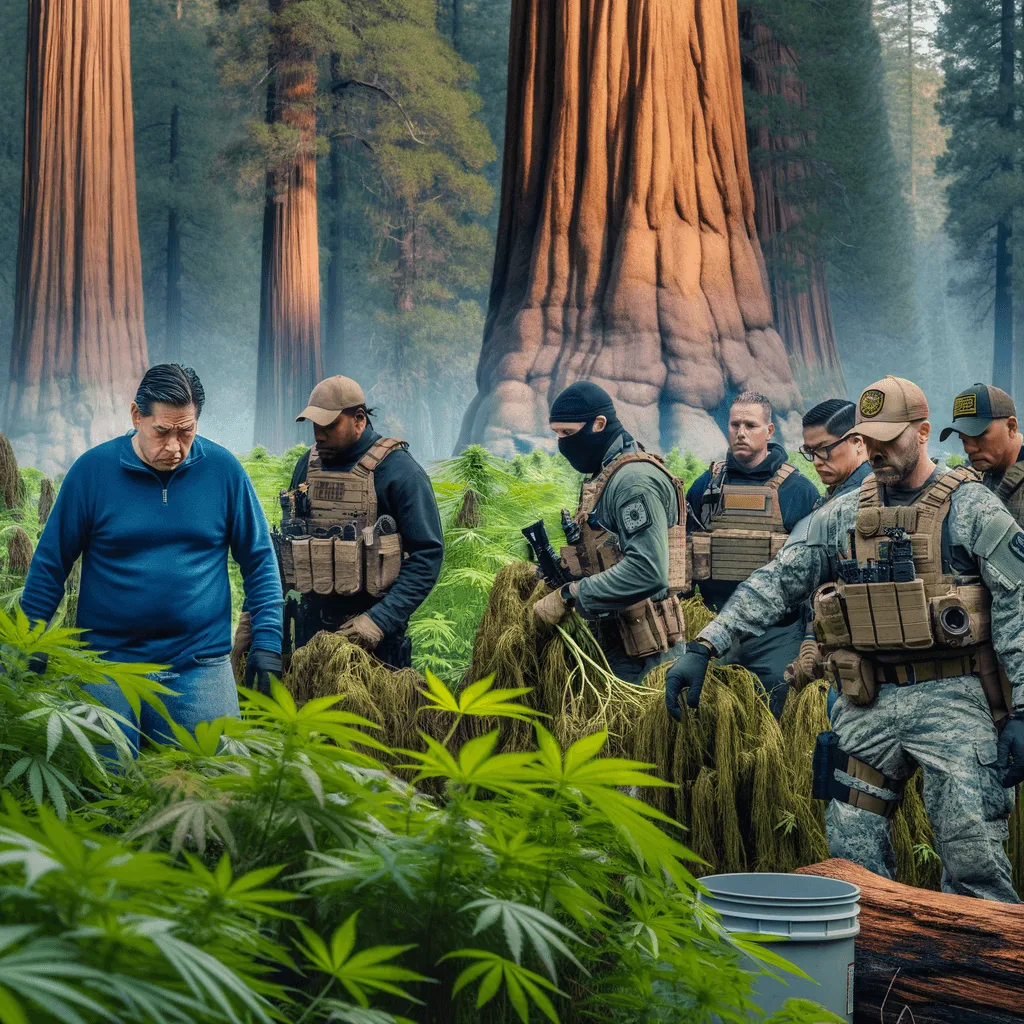
Let’s dig into the latest marijuana grow Sequoia National Park bust. According to reports confirmed by major news sources, park rangers and law enforcement uncovered a sprawling illegal marijuana grow operation hidden within a remote Sequoia National Park area. Authorities removed thousands of cannabis plants, dismantled makeshift irrigation, and seized firearms and toxic agricultural chemicals stashed on the site. Specifics? The raid was executed mid-June 2024. The cultivation site, reportedly operated by an unnamed group, posed significant environmental, legal, and public safety risks. Improvised fertilizer mixes, banned pesticides, and contamination near streams drew concern from the National Park Service and local conservation groups. As more states shift their cannabis tax and regulatory schemes, others are watching closely, with states like Minnesota debating if higher taxes could unintentionally encourage black market activity. According to officials, these grows run afoul of state and federal law — California allows licensed marijuana cultivation, but these parks are under federal jurisdiction regardless of state cannabis laws. Firearms found on site escalated charges and highlighted the inherent risks of black-market operations.
Analysis: What It Means for the Industry & Key Takeaways
The marijuana grow Sequoia National Park raid is a big reminder of the ongoing clash between evolving state policy and slow-moving federal law. As more Americans embrace legal cannabis — Pew recently found close to 90% support for legal use — the black market persists where legal access and regulation can’t keep pace with demand. Unlicensed grows not only threaten the environment and public trust, they also make it harder for legitimate businesses to thrive. Industry leaders like Steve DeAngelo, founder of Harborside, have weighed in: “Prohibition fosters criminal activity and environmental harm. Smart regulation is the only sustainable solution.” (See full interview.) The high visibility of incidents like the Sequoia raid shows why addressing historic convictions for marijuana use urgently matters to comprehensive cannabis reform. There is an urgent need for harmonized laws, increased legal access, and focused enforcement that prioritizes environmental protection.
What Happens Next? A Brighter, Greener Cannabis Future
As the dust settles on the marijuana grow Sequoia National Park enforcement action, the industry’s next steps are clear: push for cohesive, science-based regulation while protecting people and the planet. California’s legal cannabis market is still a global trendsetter, but federal reform is needed to bridge the gap between state authorization and persistent illegal grows. Responsible policy, environmental safeguards, and greater public education must all advance in lockstep. With more states moving toward legalization—and the growing recognition of cannabis’s benefits for health, economy, and society—the future looks promising. For every raid, there’s a growing movement toward transparency and sustainability, as chronicled by Marijuana Moment. The path ahead? It’s paved not by outlaws in national parks, but by advocates shaping a future where cannabis can grow—in every sense—with respect for community and conservation.
Originally reported by: foxnews.com