


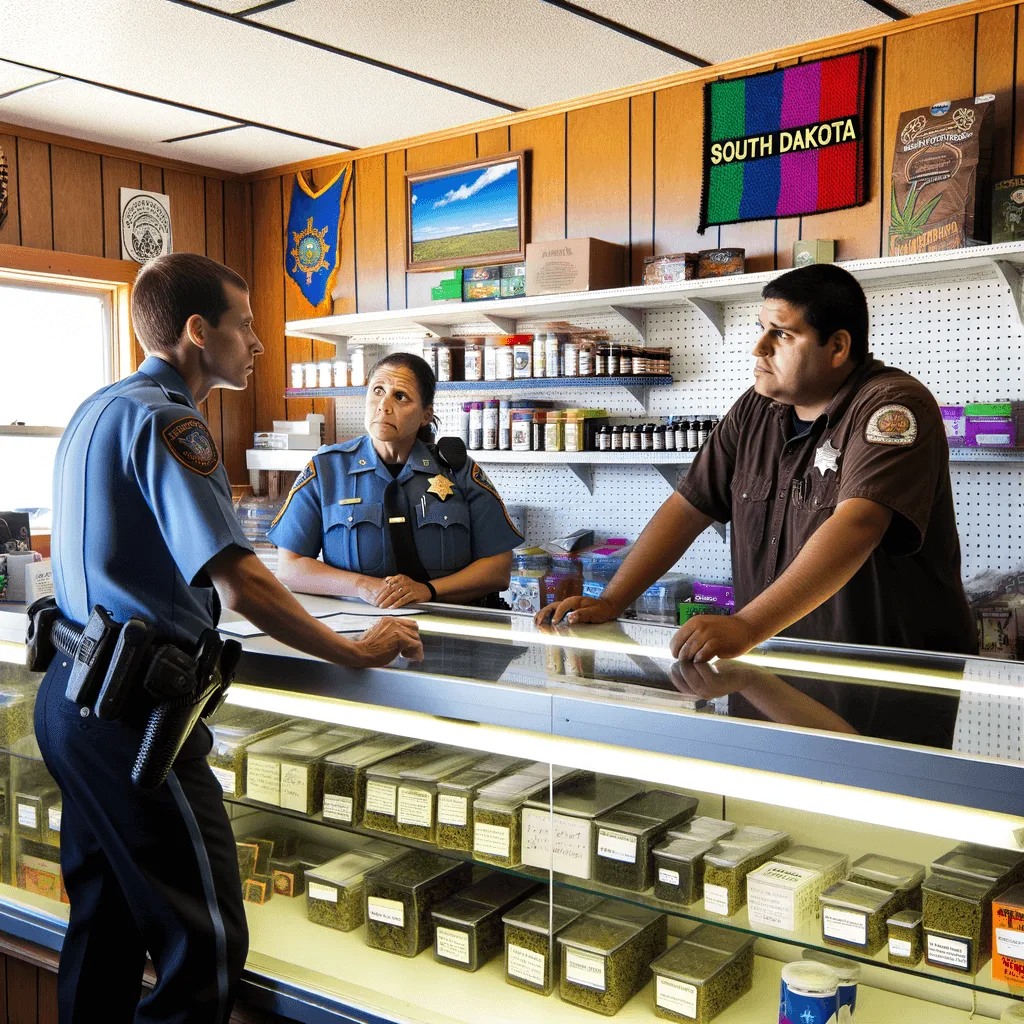
South Dakota Hemp Sting Operations: Industry Reaction Revealed
South Dakota hemp sting operations have sparked a serious buzz across the cannabis industry, and not the kind most folks enjoy. These stings are shaking up an already tense landscape. With market demand for hemp-derived THC products booming, regulators have doubled down on cracking down. Everyone from operators to advocates is weighing in, so let’s break down what this means for South Dakota’s evolving hemp scene. In this piece, we’ll explore the legal chess match behind the stings, unpack industry reactions, weigh expert insight, and imagine where the fight for hemp freedom heads next.
Regulatory Roots: South Dakota’s War on Hemp Products
To understand South Dakota hemp sting operations, you have to look at the state’s strict regulatory environment. While the 2018 Farm Bill legalized hemp federally, state governments like South Dakota retain authority over how products are sold and regulated. The state is notorious for viewing hemp and cannabinoid products with suspicion. Despite the federal green light, local lawmakers have set aggressive rules around testing, packaging, age restrictions, and, crucially, the potency of hemp-derived cannabinoids like Delta-8 THC. The market, meanwhile, is hungry. According to Hemp Grower Magazine, consumer demand for hemp and alternative cannabinoids has surged nation-wide. But South Dakota legislators have sided with a tough enforcement stance, citing public safety and youth protection. This rigid approach is reminiscent of other states with evolving cannabis frameworks, where intense legislative sessions and regulatory debates have similarly shaped the local market. This has set the stage for tense standoffs between entrepreneurs and law enforcement, especially with ambiguity in state laws. The result? A regulatory minefield for any business selling, distributing, or even possessing hemp products that stray into the legal gray zone.
Sting Operations Unpacked: What Happened and Who Got Caught in the Net
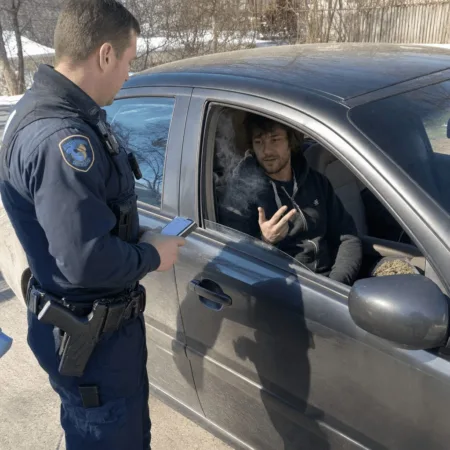
The recent South Dakota hemp sting operations saw state authorities targeting retailers and vendors selling hemp-derived THC products, particularly Delta-8. These sweeps occurred throughout spring 2024, with law enforcement collaborating across several counties. According to reports from Marijuana Moment, undercover officials made purchases at various stores, then executed search warrants and seized inventory that allegedly violated state cannabinoid laws. Several business owners were cited or shut down temporarily, with products ranging from edibles to vape cartridges confiscated.
The stings weren’t a total surprise. The South Dakota Department of Health issued strong warnings earlier in 2024 against selling unregulated hemp extracts, explicitly calling out Delta-8 and similar cannabinoids. Medical marijuana operators were quick to praise the enforcement, arguing these products bypass rigorous medical testing or controls. However, economic consequences loomed for local shop owners, much like the recent shake-up that hit Michigan marijuana companies, which left many concerned about livelihoods, regulatory confusion, and the lack of clear guidance on what is—and isn’t—legal under South Dakota’s evolving statutes. As late as May 2024, the legal back-and-forth continued. Advocacy groups urged clarity and fairness, but authorities insisted they’re protecting consumers and upholding the law. The situation remains fluid, with court proceedings and regulatory reviews dragging on.
Industry Analysis: Why These Stings Matter, and What’s at Stake for Cannabis
For anyone deep in the cannabis game, these South Dakota hemp sting operations signal bigger national trends. The country is in a tug-of-war between innovation in hemp-derived products and patchwork local crackdowns. Delta-8, THC-O, and other cannabinoids exist in the margins between federal permissiveness and state skepticism. As NORML explains, ambiguity breeds enforcement surges like the one we’re seeing now.
Industry advocates argue these stings risk stifling legal hemp businesses while doing little to curb demand. Consumers will simply turn to the underground market—riskier, unregulated, and far from ideal. “Enforcement sweeps erode trust between regulators and ethical operators. Clarity, not criminalization, is what’s needed,” says Erik Altieri, former NORML Director (source). With other states facing higher cannabis taxes and their own black market challenges, piecemeal enforcement without clear reform leaves everyone confused and at risk. Major publications like Weedmaps have reported similar challenges in other restrictive states, emphasizing the value of open dialogue and industry education.
Looking Ahead: Hope and Hurdles for South Dakota’s Hemp Scene
If there’s one thing the South Dakota hemp sting operations have made clear, it’s that the market is evolving faster than regulators can keep up. Even with the recent crackdown, demand for hemp-derived cannabinoids won’t disappear. More states—including stubborn holdouts—are rethinking old-school restrictions as industry evidence and public support for responsible access continue to mount. According to a New Frontier Data analysis, legal hemp markets create safer products, boost jobs, and promote transparency.
For advocates, there’s hope these headline-grabbing enforcements will lead to more sensible, clear rules for everyone—businesses and consumers alike. As public dialog grows and market realities shift, South Dakota could find itself moving from hardline resistance to more balanced regulation. The cannabis industry isn’t going anywhere; it’s only getting bigger, smarter, and more resilient.
Originally reported by: marijuanamoment.net