

Psychedelics for Military Veterans: Breakthroughs & Hope
If you’ve been anywhere near the wellness or cannabis space lately, you know that “psychedelics for military veterans” is quickly becoming a big headline. With mounting evidence on the mental health crisis facing veterans—and a wave of new research and bipartisan discussion hitting the U.S. Senate—it’s clear the movement is legit. Recent hearings and fresh clinical data are stirring hope, stirring Congress, and (no surprise) stirring up spirited debate within both veteran and cannabis communities. Buckle in, because we’re breaking down everything you need to know about the rising profile of psychedelics for military veterans—plus what it means for cannabis and the future of therapy.
Understanding the Push: Background & Context
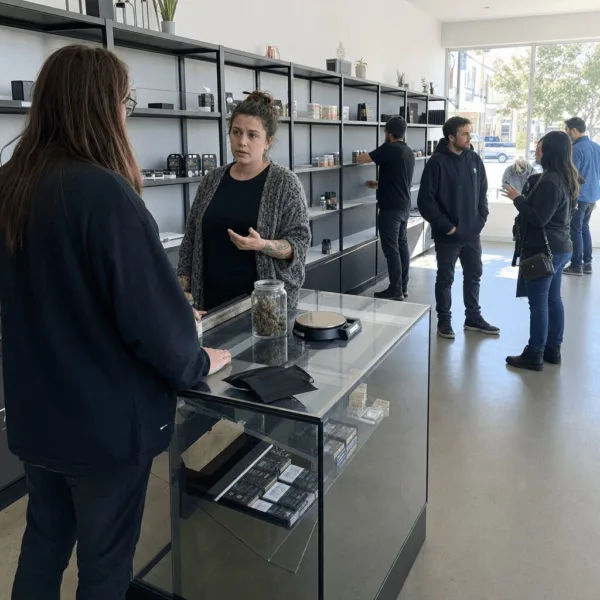
The topic of psychedelics for military veterans is bigger than just a trend. The last decade has seen mainstream medicine, and lawmakers, finally admit that traditional treatments for PTSD don’t work for everyone. According to the Department of Veterans Affairs, over 6,000 U.S. veterans die by suicide each year. Painful truth: current pharmaceuticals often fall short. As reported by Nature, psychedelic compounds like psilocybin and MDMA are now being explored for their ability to treat depression and trauma where others have failed. Meanwhile, cannabis has led the charge toward decriminalizing plant-based therapies and shifting public opinion. Legal gray areas still linger, but key states like Colorado and Oregon have already moved to decriminalize or legalize certain psychedelics, a move widely covered in Rolling Stone. With barriers dropping and science snowballing, city council decisions around cannabis delivery have also become a game changer for local access, which adds to the urgent call for healing tools—whether from the cannabis or psychedelic community—that is louder than ever for veterans in need. (See how local delivery is reshaping access)
Latest Developments: Senate Hearings, Science & Public Attention
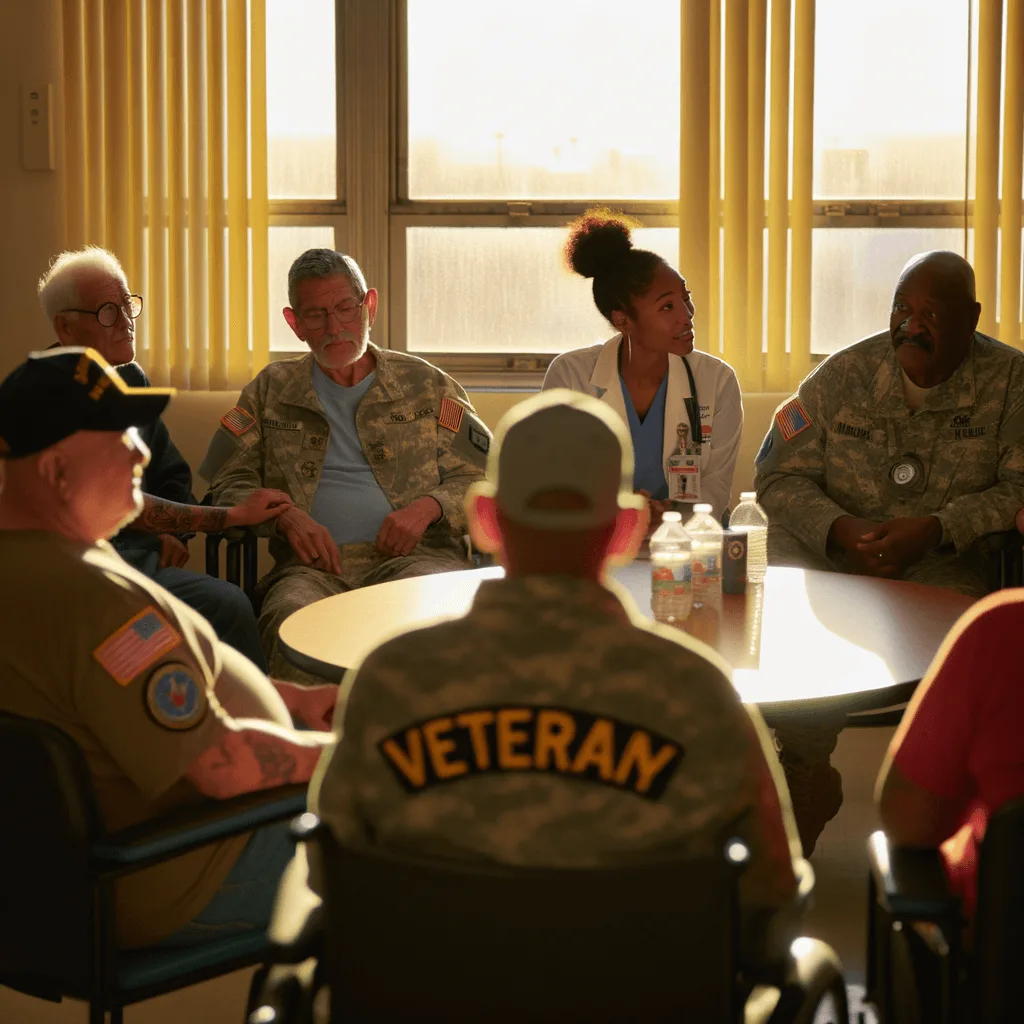
The spark for nationwide buzz on psychedelics for military veterans ignited with a U.S. Senate committee hearing in July 2023. For the first time, veteran advocates, researchers, and federal lawmakers sat together to discuss the benefits and challenges of psychedelic therapy for veterans. This was no small feat, presenters brought data, stories, and personal testimony showing how traditional VA approaches are, frankly, letting folks down. Clinical researchers from Johns Hopkins and NYU detailed positive outcomes from recent MDMA- and psilocybin-based studies, while advocates cited results from programs in Oregon and Colorado. Lawmakers from both sides, including Senators Cory Booker and Rand Paul, expressed rare bipartisan support for further research and regulatory easing (see Marijuana Moment’s coverage). The hearing mentioned real veterans who credit psychedelic therapy with saving their lives, while noting continued federal Schedule I classification blocks access. The committee called for more funding, less red tape, and a full re-think on substance stigma for military mental health care going forward. Meanwhile, state-level lawsuits, such as the ongoing high-stakes showdown in New York among cannabis retailers, illustrate how shifting policies ripple through the industry and may shape future federal and local regulations. (See the latest on market litigation)
Expert Analysis & Industry Insights: More Than Hype?
As psychedelics for military veterans move towards reality, everyone in the cannabis game is watching. These reforms reflect a larger shift, an industry that’s been laying down legal, scientific, and social groundwork for decades. “We’re at a turning point. Veterans are leading this new wave, advocating plant and fungal medicines that could literally save lives,” notes Dr. Sue Sisley, a pioneering physician-researcher who’s spent years battling for medical cannabis access (Cannabis News). Industry pros have long said that breaking down one barrier, like cannabis prohibition, makes the next breakthrough more possible. Yet experts warn about repeating past mistakes, especially around ensuring access, equity, and safety for vulnerable groups. According to Leafly, the market for psychedelics and cannabis could be worth billions, but only if built on science, veteran voices, and smart policy. Still, the cannabis sector’s experience—navigating stigma, lobbying for research, and working with both patients and policymakers—makes this new frontier feel surprisingly familiar. Recent high-profile testing bans, like the impact from the Viridis case in Michigan, further highlight how safety and regulatory standards are central to public confidence in a changing landscape. (Read about the Michigan testing ban’s impact)
It’s also about public trust: “Veterans want safe, legal options. They’ve served. Now we owe them innovation, compassion, and effective care,” says Rick Doblin, founder of MAPS, an advocacy group behind landmark MDMA research (MAPS Interview). This movement stands on the shoulders of those who’ve pushed for better access on both medical cannabis and novel therapies—and for veterans, the stakes couldn’t be higher.
Future Outlook: Building Bridges from Cannabis to Psychedelics
Looking forward, psychedelics for military veterans are likely to spark advances across the entire plant-medicine field. As more reliable clinical data emerges, more lawmakers and medical professionals are joining the conversation. According to Forbes, the cannabis industry’s advocacy, patient-first mentality, and regulatory experience could help shape safe, effective paths for psychedelic reform. As social acceptance grows—and states experiment with decriminalization—veterans could soon access life-changing therapies previously off-limits. Cannabis culture paved the way, and now this community stands to benefit from a much broader toolkit. Here’s to crossing boundaries, healing together, and championing innovation in every form. Because when it comes to honoring those who served, nothing less will do.
Originally reported by: marijuanamoment.net