



New York Marijuana Zoning Changes: Will Shops Move?
If you thought New York’s cannabis scene couldn’t get any more interesting, think again. Right now, New York marijuana zoning is in the spotlight like never before, with city officials and dispensaries debating where—and even if—some shops can legally operate. These latest zoning shakeups are sending serious ripples through the budding legal industry, school administrators, and local communities alike. So, what’s at stake here, and will these zoning changes force some cannabis shops to uproot? Let’s break down the buzz and why every cannabis insider, advocate, and curious neighbor should be paying close attention.
The Regulatory Roots of New York Marijuana Zoning
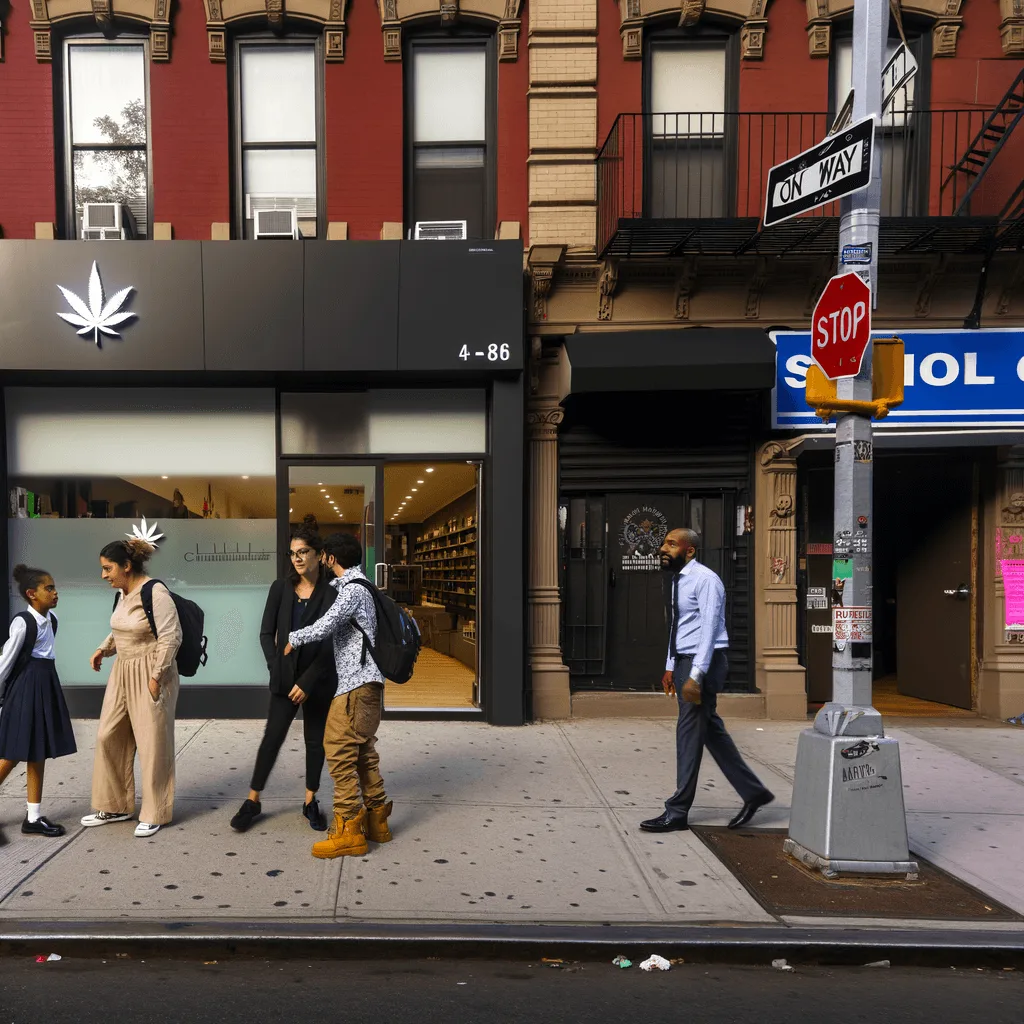
New York marijuana zoning rules aren’t just about property lines—they’re about striking a balance between public safety, youth protection, and economic growth. After legalizing adult-use cannabis in March 2021 under the MRTA (Marihuana Regulation and Taxation Act), state regulators created strict buffer zones meant to keep dispensaries away from schools and houses of worship. According to official City of New York guidance, dispensaries must stay at least 500 feet from schools and 200 feet from religious institutions. These rules were set to foster a responsible, socially equitable marketplace—no small feat in a dense, fast-moving city. But like many new cannabis laws, the rollout has faced snares, setbacks, and evolving interpretations. Industry analysts at MJBizDaily note that urban zoning challenges are among the biggest hurdles facing legal cannabis markets nationwide. Local governments, industry stakeholders, and communities are still figuring out how to keep the cannabis economy above board while protecting New York’s youngest residents. So, as the implementation continues, the spotlight on New York marijuana zoning keeps getting brighter.
Key Developments: Zoning Map Fumble Shakes Up Dispensary Plans
The zoning drama really heated up after a revelation about a zoning map mistake near New York City schools. According to an NBC New York investigative report, state officials unintentionally approved a cannabis dispensary to open closer to a school than regulations allow. This oversight stemmed from outdated or incorrect zoning maps used during the approval process. The misstep slipped by both regulators and company applicants, raising questions about how zoning checks and balances are enforced.
One affected business, Range Wellness, received a provisional site approval based on these incorrect maps. The error wasn’t caught until months later, after community members—concerned about student safety—spoke out. In response, state regulators initiated a review of all recent marijuana dispensary zoning decisions. According to Cannabis Business Times, the review aims to ensure compliance and restore public trust.
The fallout? Dispensaries in neighborhoods across Manhattan and Brooklyn are now facing fresh scrutiny and operational uncertainty. Several temporary operating agreements have been put on pause. As of March 2024, at least three planned shop openings have been stalled, pending re-assessment by the city. Regulators and advocates alike acknowledge that zoning errors, even accidental ones, can threaten the credibility of New York’s new, legal, and equitable cannabis marketplace. But as the saying goes in New York: if you can regulate it here, you can regulate it anywhere.
Expert Analysis: What This Means for New York Marijuana Zoning—and the Industry
Let’s face it: Launching a cannabis business in the Empire State has always been a high-wire act. When zoning rules slip, the stakes are sky high—not only for operators but for parents, teachers, and neighborhood advocates. Dispensaries are navigating a regulatory gauntlet, and New York marijuana zoning mistakes only increase anxiety industry-wide. As Leafly’s senior policy editor David Downs explains, “Getting zoning right is the backbone of a healthy, trusted cannabis market. Small errors can have outsized ripple effects.” Events like this are more than just growing pains—they’re a wake-up call for greater vigilance and communication between agencies, businesses, and local communities.
On the bright side, transparency and swift regulatory response are actually strengthening New York’s reputation as a leader in equitable cannabis legalization. Industry veterans report that these hiccups, though frustrating, drive better oversight and smarter policy updates. Global cannabis advisory firm Prohibition Partners recently highlighted New York’s adaptive regulations, noting that “mistakes caught and corrected fast build public trust while keeping investment flowing.” There’s little doubt that as the city and state refine their approach to New York marijuana zoning, dispensaries and communities will see smoother days ahead (and hopefully fewer last-minute location shakeups).
Looking Ahead: New York Marijuana Zoning Evolves with the Industry
Here’s the long and short of it—New York marijuana zoning is a challenge, but not an obstacle for progress. Dispensaries, advocates, and regulators remain committed to building a transparent, safe, and equitable market. With evolving rules, sharp advocacy, and tech-forward solutions, New York’s cannabis landscape will only grow stronger. According to a 2024 Forbes cannabis report, the city’s willingness to correct errors and prioritize social equity helps ensure lasting acceptance and robust growth. Cannabis is here to stay in the Big Apple—and each zoning hurdle only proves how serious all sides are about making this a responsible, community-minded industry. For anyone watching the rise of retail cannabis, the New York marijuana zoning issue isn’t a warning sign. It’s a signpost on the road to a fairer, fuller, and more vibrant marketplace.
Originally reported by nbcnewyork.com