NYS Cannabis Control Board Closure: Shocking Batavia City Move
The cannabis landscape in New York keeps evolving, and not always as chill as we’d hope. The most recent NYS Cannabis Control Board closure sent shockwaves through Batavia’s business community, with city officials and operators caught off guard. So, what’s the deal with this latest enforcement push? Why are closures like these such hot news right now? It’s all about the NYS Cannabis Control Board closure crackdown, reflecting deeper trends as the Empire State’s legal cannabis market faces its greatest challenges since launch. Let’s break down what’s happening, examine the roots of these regulatory moves, and what it might signal for the future of cannabis in New York—and beyond.
Setting the Stage: Regulatory and Market Backdrop for NYS Cannabis Control Board Closure
The New York State cannabis scene is a wild ride. After years of advocacy, New York legalized adult-use cannabis in 2021, making headlines and stoking high hopes. But as MJBizDaily reports, launching a fully regulated marketplace has proven trickier than rolling a perfect joint. The NYS Cannabis Control Board, backed by the Office of Cannabis Management, was created to set the rules of engagement, licensing, compliance, and—crucially—enforcement. Still, as the market matures, legal ambiguities and patchwork local regulations have left many operators uneasy. The wave of NYS Cannabis Control Board closures isn’t accidental; it’s a direct response to both community pressure over gray-market shops and the state’s urgent need to demonstrate regulatory credibility. According to Leafly, public officials are intensely scrutinizing business practices to balance safety, legal integrity, and the promise of equitable industry growth. Social stigma persists, too, especially in smaller cities. Even as cultural acceptance spreads—see the national momentum detailed by Pew Research—many communities still wrestle with the realities of local implementation. The NYS Cannabis Control Board closure efforts are a direct result: a growing pain as New York tries to set a gold standard for legitimate cannabis commerce.
Breaking Down the Batavia Buzz: Key Developments & Issues from the NYS Cannabis Control Board Closure
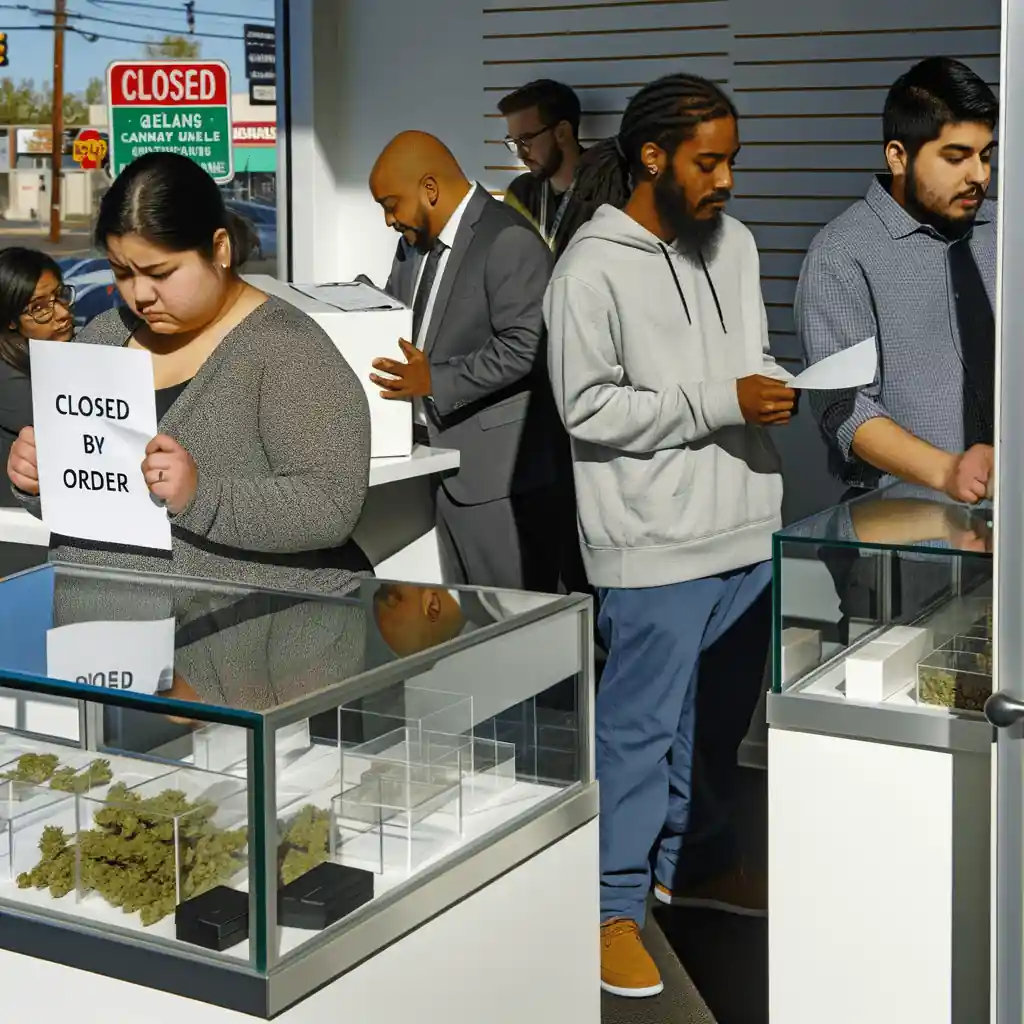
Here’s what just went down. On August 6, 2025, as reported by Video News Service, a Batavia City Center cannabis business received a formal closure order from the NYS Cannabis Control Board. Details reveal this was no casual handshake—regulators descended on a local shop, acting under Article 28 of New York’s cannabis law, which grants them authority to take swift enforcement action against non-compliant operators. The official notice cited licensing and compliance violations, though the specifics were not released publicly. The shop’s sudden closure left local customers frustrated and staff uncertain about their jobs, while the city government expressed surprise at the rapid enforcement. The affected business—whose name remains undisclosed in original coverage—was given an immediate cease-operations order and now faces a complicated appeals process. This move follows a broader pattern. According to recent legal filings highlighted in The New York Times, New York’s regulators have stepped up surprise inspections and enforcement actions throughout 2025, cracking down on both unlicensed dispensaries and shops accused of sidestepping regulatory rules. The Batavia closure isn’t an isolated event: it’s just the latest in a series of high-profile NYS Cannabis Control Board closures shaking up Main Streets across New York State.
Expert Analysis & Industry Insight: Why the NYS Cannabis Control Board Closure Happens Now
The Batavia shutdown highlights the friction in New York’s fight to balance access, safety, and the legitimacy of its legal cannabis market. According to Marijuana Moment, market experts say these aggressive regulatory sweeps are an attempt to crush the legacy market and show consumers—and voters—that legal shops are the safest bet. Legal observer and cannabis attorney Karen O’Keefe remarked in a recent NORML feature, “A tough approach by regulators is expected early in any newly-legalized adult-use market, but a heavy hand can also risk stifling innovation and pushing operators back underground.”
Cannabis entrepreneurs cite inconsistent enforcement as a source of confusion and anxiety. Some shops have been able to remedy violations, while others—like Batavia’s—have been ordered closed with little notice. This reflects the ‘growing pains’ that have defined every state’s transition from gray market to legal status. According to Cannabis Tech, improving communication between regulators and operators is essential to reduce unintentional non-compliance and keep the market thriving.
These NYS Cannabis Control Board closure actions are a turning point. A wave of shutdowns is showing that compliance is no longer negotiable in New York. As the public demand for safe, taxed, and equitable cannabis options grows, regulators are under pressure to both enforce the law and support responsible business. As cannabis reviewer and educator Lizzy Post told Leafly: “We want to see responsible operators win. Tough love from regulators is necessary—but we’ve got to keep the door open for small businesses to learn and adapt, too.”
Looking Ahead: What the Batavia NYS Cannabis Control Board Closure Means—and Why There’s Hope
While the recent NYS Cannabis Control Board closure in Batavia is a setback for local access and legal operators, it’s also a sign of an industry at a turning point. Tough times are nothing new in cannabis, but each setback sparks dialogue—policy reviews, community activism, and calls for smarter regulation. The fact is, New York’s cannabis sector is pushing into the mainstream, with growth outpacing projections, as noted in Statista’s latest legal cannabis market report. Soon, regulatory refinements, increased transparency, and an improved focus on public education will help prevent abrupt NYS Cannabis Control Board closures like Batavia’s. More cities are learning how cannabis can boost economies, reduce illicit trade, and increase social equity. The road ahead promises higher standards, better safeguards, and a more resilient industry—one closure at a time, we’re getting closer to a truly fair, legal cannabis market in New York State and nationwide.
Originally reported by videonewsservice.net