




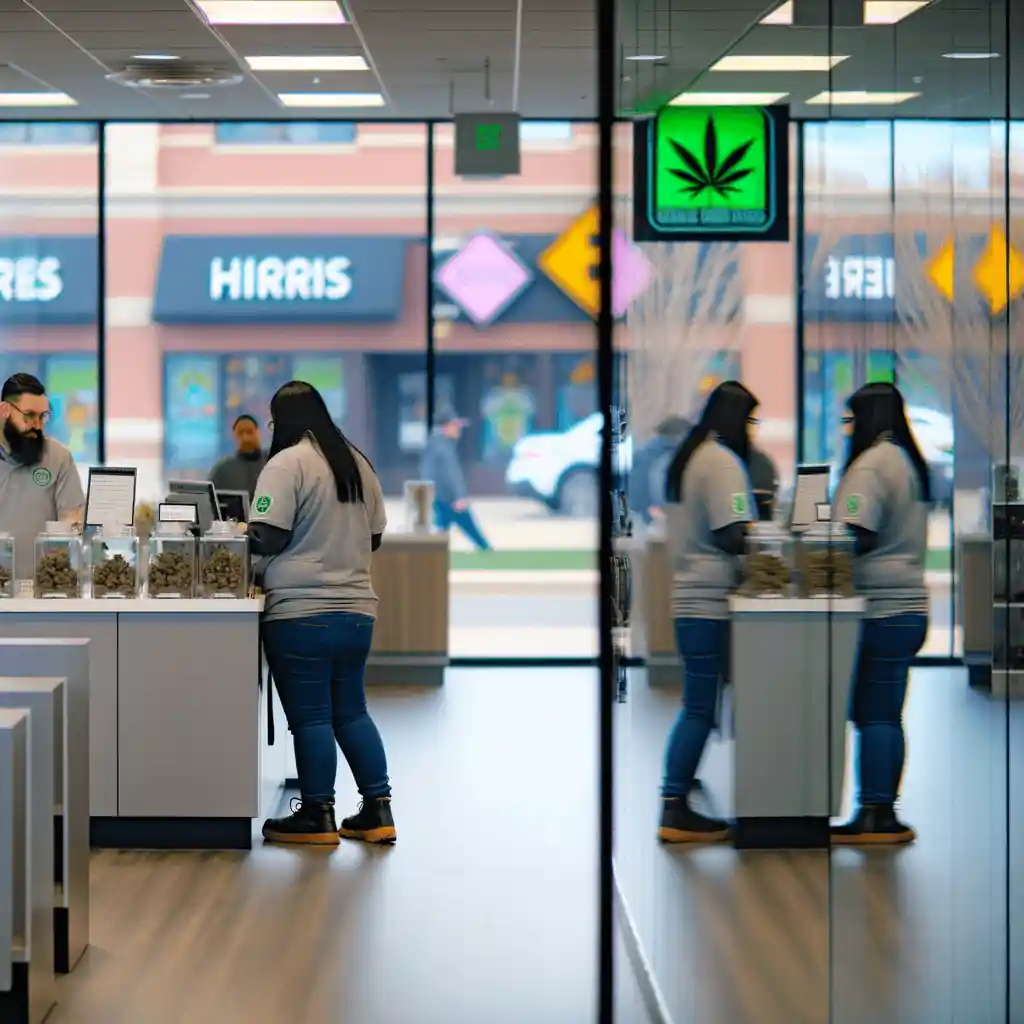
Michigan Marijuana Business Downturn: What’s Really Happening?
Right now, the Michigan marijuana business downturn is making waves across the state’s cannabis community. From high hopes and green rush fever to headlines about shutters and shrinking profits, it’s clear the good vibes are getting complicated. Michigan’s cannabis scene isn’t just feeling the pinch—it’s at the center of a national debate about legal oversupply, regulatory headaches, and fierce market competition. In this deep dive, we’ll unpack why this downturn matters, highlight the latest facts, and offer expert analysis with a blunt (pun intended) but hopeful outlook.
Michigan’s Green Gold Rush: The Regulatory and Market Backdrop
To really get what’s behind the Michigan marijuana business downturn, let’s light up the background. Michigan legalized adult-use cannabis in 2018, becoming the first Midwest state to do so. According to MLive and Cannabis Business Times, this led to a surge of new dispensaries and growers scrambling to serve eager customers. Regulators rolled out a commercial-friendly framework, but that openness also created intense competition. In a matter of years, Michigan’s cannabis market ballooned. By 2022, it was among the nation’s largest, with sales breaking $1.8 billion according to the Michigan Cannabis Regulatory Agency (CRA). However, as more businesses joined the fight for market share, the cracks started showing: supply outstripped demand, prices crashed, and regulatory rules tightened. Social stigma may have faded, but economic survival got a whole lot harder for local operators. It now takes serious hustle, savvy compliance, and resilience to survive—especially if you’re an independent or family-owned cannabis business.
Torching Through Turbulence: Key Developments and Core Issues
The Michigan marijuana business downturn isn’t just about market vibes—it’s about hard facts and recent events. Reports from GMToday highlight the closure of established dispensaries and cultivators across Michigan. For instance, Family Tree, formerly a cannabis darling in Muskegon Heights, shuttered its retail operation in early 2024 after only two years. Owners cited unsustainable price competition, a glut of cheap cannabis from mega-growers, and rising compliance costs. Similarly, Skymint—once hailed as one of Michigan’s most ambitious multi-store chains—filed for receivership in March 2023, citing $127 million in debts according to MJBizDaily. Many smaller cultivators have been priced out, unable to compete with vertically integrated giants flooding the market. While Michigan launched with more retail licenses per capita than most legal states, this wild-west approach led to over-saturation. Prices tanked—from nearly $400 an ounce in 2020 to under $100 for bulk, according to Michigan Leaf Mag. Retailers are shrinking inventories, trimming staff, and trying to adapt. Regulators have stepped in with talk of possible caps or further consolidation, though industry players remain divided over next steps. To add fuel to the fire, municipalities like Kalamazoo have temporarily stopped approving new licenses, reflecting fear over further market chaos. Legal weed in Michigan now faces its biggest test yet—how to balance big business, local operators, and consumer prices.
Expert Analysis, Industry Wisdom, and Green Shoots of Hope
The Michigan marijuana business downturn is a wild ride—but let’s blaze through the haze with some sharp perspective. What’s happening in Michigan echoes industry growing pains nationwide. Experts point to classic ‘boom and bust’ economics, where rapid growth spurs over-investment and then correction. According to Marijuana Moment, price falls are a “rite of passage” as markets mature. Detroit-based industry strategist Keisha Butler told industry attendees, “We’re moving from survival mode to strategy mode in Michigan—operators who adapt will be tomorrow’s leaders.”
This downturn might feel rough, but it’s also a reset: inefficient businesses bow out, while sustainable, ethical, and quality-focused players rise. Nationally, Leafly predicts consolidation will ultimately lead to higher industry standards. Michigan businesses that embrace innovation—think value-added products, education-based retailing, and loyalty programs—are already seeing a loyal core of customers. The effect? Brands that prioritize transparency and community will likely grow stronger.
Industry veteran Dennis Peron once said, “Legalization means opportunity, but not immunity from hard lessons.” (Quoted in Cannabis Business Executive.) Every shakeout refines the craft, rewards authenticity, and nudges the industry closer to normalization. Don’t let the buzzkill fool you: Michigan is still a national leader and proving ground for next-gen cannabis.
The Road Ahead: Renewal and a Greener Future
So, where does the Michigan marijuana business downturn lead us? While downturns can leave some scars, they’re also part of the growing up process for any disruptive industry. The market is maturing, and regulatory bodies like the CRA are evolving policy to protect consumers and businesses alike—proving that legal weed in Michigan is far from over. Social acceptance and consumer demand remain strong. As awareness grows and regulations advance, Michigan’s cannabis community can expect new opportunities for collaboration, equity, and grassroots entrepreneurship.
As NORML observes, states like Michigan are laying the foundation for a more stable, socially responsible cannabis industry nationwide. The wild ride isn’t over—but for those who stick with it, the future still looks vibrant and green.
Originally reported by gmtoday.com