


CBD Effects on UV Damage: Can It Really Protect Your Skin?
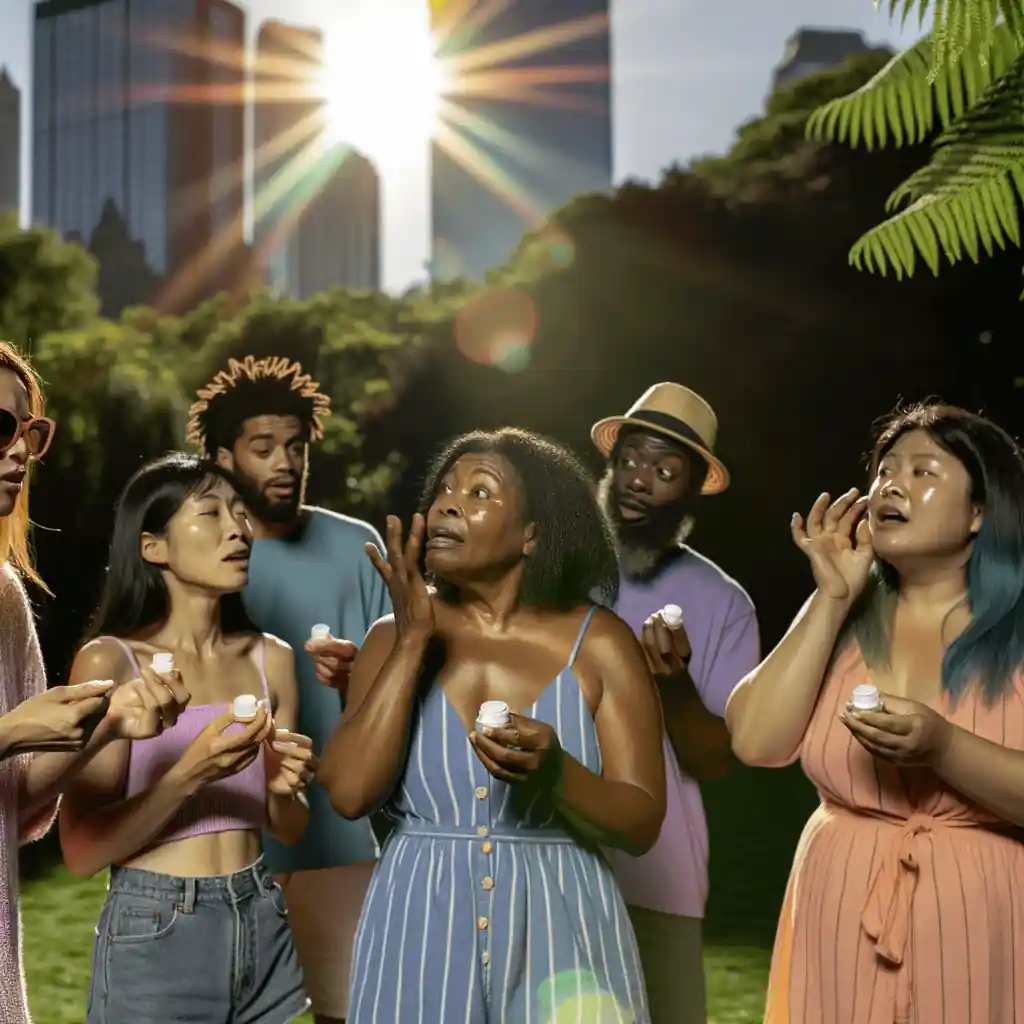
With summer sun blazing and skincare trends hotter than ever, people want smarter ways to protect their skin. Lately, the buzz isn’t just over SPF—everyone’s talking about CBD effects on UV damage. Can CBD actually help fend off those harsh UV rays? Science, law, and consumer curiosity all converge at this crossroad. Today, let’s break down why CBD-infused sunscreens and skincare products are gaining ground, how the latest research could change the way we see cannabis compounds, and what you should know before catching some rays. Expect real facts, solid expert opinions, and the inside scoop on CBD’s role in modern sun protection.
Regulatory, Legal, and Social Backdrop: The State of CBD and Skincare
CBD’s path into your daily skincare routine didn’t just happen overnight. It’s been a long, sometimes bumpy road peppered with evolving regulations. Just a few years ago, the 2018 Farm Bill in the United States gave federally legal status to hemp-derived cannabidiol (according to Congress.gov), as long as THC stayed below 0.3%. This paved the way for CBD to slide into everything from bath bombs to sunscreen. Yet, the FDA still hasn’t fully signed off on CBD as a cosmetic ingredient (FDA public statements). States like California and Colorado lead the pack with broader acceptance, while some places treat topicals with extra skepticism. Social opinion, meanwhile, continues tilting favorably. A 2023 Gallup poll reported over 60% of Americans support legal cannabis, with even more open to specific uses like wellness and skincare. In essence, CBD’s starring role in conversations about sun damage and skin health is no accident—it’s the result of shifting science, changing laws, and a huge cultural reevaluation of cannabis itself.
Core Developments: The Science Behind CBD Effects on UV Damage
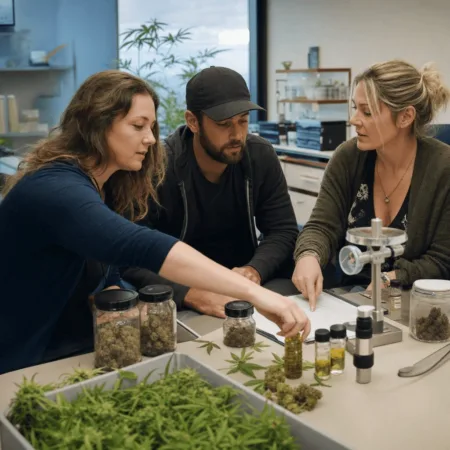
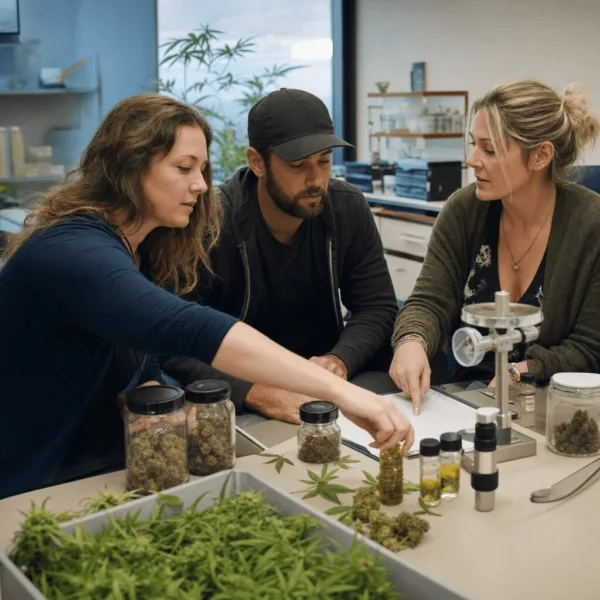
So, what’s the fuss about CBD effects on UV damage? Recent research showcased by Dr. Adam Friedman, MD, FAAD, a dermatologist and professor at George Washington University, goes deep on this topic. In a 2024 Dermatology Times feature, Dr. Friedman reviews emerging findings: CBD has shown strong antioxidant and anti-inflammatory effects in lab settings. Translational studies suggest CBD can neutralize free radicals triggered by UVB and UVA exposure—those sneaky molecules responsible for sunburn, long-term skin aging, and sometimes, cancer. Dr. Friedman draws on international studies, including 2021 preclinical trials, that found CBD could reduce inflammatory cytokines and protect skin cells following controlled UV exposure. However, Dr. Friedman is quick to clarify that—while the data is promising—there haven’t been enough large-scale human clinical trials yet to make CBD the next must-have sunblock. Meanwhile, major cosmeceutical brands and independent manufacturers are rolling out new sun care lines packed with hemp-derived actives, betting the science will keep catching up. Regulatory scrutiny remains intense; brands are being warned not to promise medical-grade protection until there’s more human data. Still, the ingredient is now a staple in forward-thinking wellness circles and retail shelves across North America and Europe. No green rush here—just a steady, science-driven climb.
Expert Insights: Decoding CBD’s Place in Sun Protection—and Culture
The growing conversation about CBD effects on UV damage reflects cultural, scientific, and industry shifts. Dermatologists and cannabis experts urge consumers to keep their expectations realistic, even as the trends heat up. “CBD is an intriguing molecule—its antioxidant powers are well-documented, and its anti-inflammatory properties make it a valuable addition to skincare,” says Dr. Ethan Russo, a renowned cannabinoid researcher, in a Project CBD interview. “But it’s not a magic shield. Sunscreen is still step one. CBD’s future in this area hinges on robust, peer-reviewed clinical data.” Market analytics from Brightfield Group and BDSA show that over 25% of new US skincare products featuring CBD now make claims related to environmental protection or after-sun repair. This proves demand isn’t just hype—it’s pegged to evolving wellness values and genuine scientific interest. In Europe, regulatory guidance from the European Commission allows hemp-derived cosmetics, as long as claims steer clear of medical promises (European Commission guidelines). Ultimately, experts conclude that, while CBD won’t fully replace sunscreen, it’s one of several new ingredients worth watching for next-gen sun care. As more data surfaces, expect CBD’s role to become both clearer and bigger. In the words of High Times contributor Elise McDonough, “Cannabis doesn’t just chill you out—it just might chill your sun-damaged skin, too.”
The Road Ahead: CBD Effects on UV Damage, Industry Growth, and Acceptance
With regulatory barriers slowly falling and consumer interest exploding, the conversation about CBD effects on UV damage isn’t cooling off anytime soon. The wellness market is learning to balance excitement and evidence, while regulators push for responsible claims. As more researchers, brands, and lawmakers join the party, expect a sun-kissed future where plant-powered protection is the norm—not a novelty. For now, bundle up with proven sun care, keep an open mind, and watch the horizon. The cannabis industry’s momentum, innovation, and social acceptance keep rising year after year (New Frontier Data, 2023). The sky’s the limit for what CBD and its cousins might do once the science fully soaks in. Until then, pass the SPF, and let’s see what nature—and a little cannabis culture—bring to your daily sun protection ritual.
Originally reported by dermatologytimes.com