


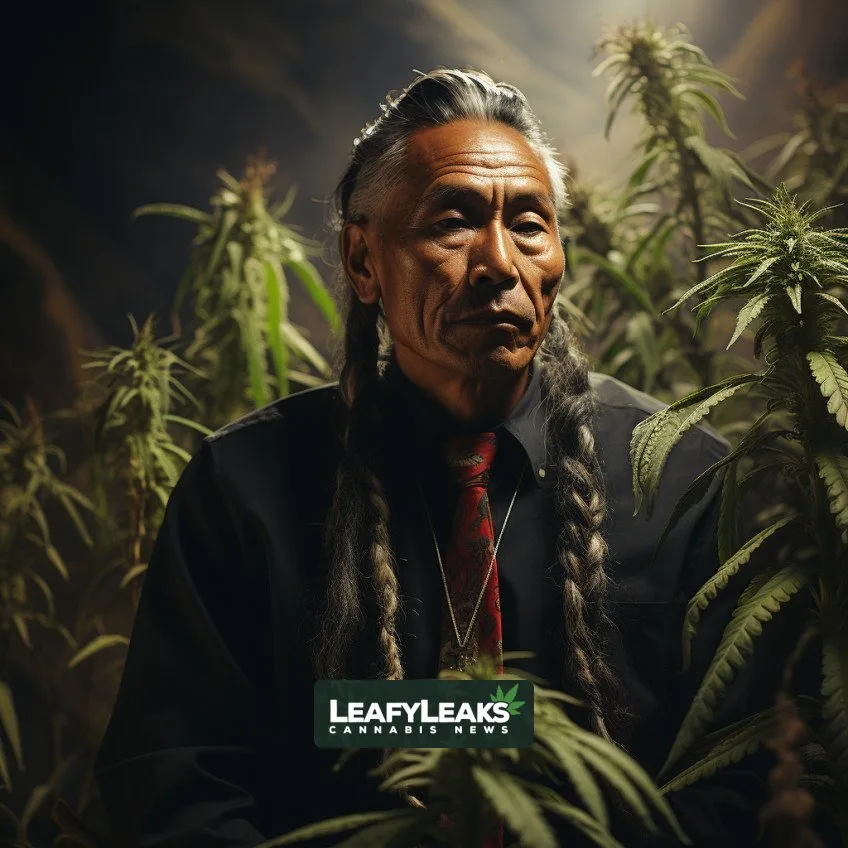
Cannabis Vote: A Deep Dive into the Cherokee Tribe’s Historic Decision
Hey there, fellow cannabis enthusiasts! Today, we’re going to delve into a fascinating topic that’s been making headlines recently—the Cherokee Tribe’s upcoming vote on cannabis legalization. So, grab your favorite strain, sit back, and let’s explore the ins and outs of this intriguing development.
The Tribal Decision with National Implications
You might have heard about the Eastern Band of Cherokee Indians (EBCI) and their plan to vote on legalizing cannabis for adults. It’s a crucial decision that could have far-reaching consequences not only for the tribe but also for the broader cannabis landscape.
Why is this vote so significant?
Well, my friend, it all comes down to the unique circumstances surrounding this referendum. You see, the EBCI’s decision to legalize cannabis on tribal land isn’t just about expanding their revenue streams; it’s about asserting their sovereignty. But things took an unexpected turn when U.S. Rep. Chuck Edwards decided to step into the ring.
Congressman’s Meddling Sparks Controversy
Picture this: a GOP congressman from North Carolina, Chuck Edwards, pens an op-ed in the tribal news publication, Cherokee One Feather, proclaiming that cannabis legalization on tribal land would be “irresponsible, and I intend to stop it.” Now, that’s a bold statement, don’t you think?
Why would a congressman get involved in tribal affairs?
Great question! Congressman Edwards introduced the “Stop Pot Act” in Congress, aiming to cut federal transportation funding by 10 percent for all tribal governments and states with legal recreational marijuana. He’s concerned about cannabis legalization, but some argue he’s overstepped by interfering in tribal matters.
Chief Sneed’s Response
Enter EBCI Principal Chief Richard G. Sneed, a man caught in the middle of this political tug-of-war. Chief Sneed sees Congressman Edwards’ actions as a misstep, and he’s not afraid to speak his mind.
What does Chief Sneed have to say about all this?
Chief Sneed believes that outsiders should steer clear of dictating how a sovereign, federally-recognized Indian tribe handles its affairs. He’s a staunch supporter of tribal sovereignty and feels that meddling in the EBCI’s vote is crossing a line.
The Referendum’s Impact
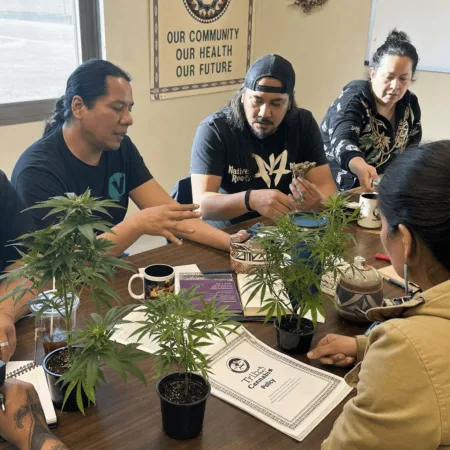
Now, let’s talk about the referendum itself. This vote won’t immediately legalize marijuana, but it will guide the EBCI’s future actions. Richard French, the chair of EBCI’s tribal council, emphasized their commitment to respecting the voters’ decision.
How does Chief Sneed feel about the referendum?
Chief Sneed’s stance is somewhat complex. He supports adult use of cannabis but believes they may be rushing into things. After all, EBCI’s tribal land is already the only place in North Carolina where medical marijuana is legal, though it’s had its fair share of hurdles.
The Challenges of Medical Marijuana in EBCI
The delays in EBCI’s medical marijuana program stem from various issues. One major roadblock is that cannabis remains illegal in all forms in North Carolina. This presents challenges for transporting medical marijuana through state-owned roadways.
Why is it so difficult to get medical marijuana to patients?
Well, it’s a bit of a tangled web. North Carolina’s laws make it tricky, especially when you have to move cannabis from tribal land through state territory. Sheriff Curtis Cochran’s stance on the matter hasn’t made things any easier.
Laboratory Testing Woes
Another hurdle EBCI faces is the lack of laboratory testing available for medical marijuana. By law, all cannabis products must undergo testing before they can be sold.
Why haven’t they set up testing facilities yet?
It all boils down to a lack of foresight from the vendor they’re working with. Without a reliable testing lab on-site, the entire production process grinds to a halt. Chief Sneed isn’t too pleased about it.
The State-Level Situation
North Carolina’s state-level cannabis legislation is also playing a role in these delays. While a Senate-passed medical marijuana bill stalled in the House, there’s still hope for future legislative action.
Will North Carolina ever pass a medical marijuana bill?
That’s the million-dollar question. There’s support and opposition within the Republican caucus, and the legislation’s fate remains uncertain.
The Bigger Picture
Despite all the buzz surrounding cannabis in EBCI, Chief Sneed reminds us that it’s just one piece of the tribe’s relationship with state and local officials. He emphasizes the importance of working together on various issues.
Is cannabis the tribe’s main focus?
Not really. While it gets a lot of attention, there’s much more to their interactions with neighboring jurisdictions. Cannabis is just a small part of a broader relationship.
A Look Beyond the Tribe
Now, let’s step back and look at the bigger picture. Tribes in several U.S. states are entering the cannabis industry, but each journey is unique.
Are other tribes following suit?
Absolutely! Tribes like the White Earth Nation and the Red Lake Nation in Minnesota have taken the plunge into the cannabis market. They’re making strides in legal cannabis sales, and the future looks promising.
The Future of Cannabis in EBCI
As we wrap up this conversation, it’s clear that the EBCI’s cannabis journey is a complex one. Chief Sneed and his tribe are navigating uncharted waters, but they’re doing it with determination and a focus on sovereignty.
In the end, whether the Cannabis Vote passes or not, it’s a testament to the ongoing evolution of cannabis legalization across the United States. And who knows, maybe one day we’ll see Chief Sneed and Congressman Edwards sharing a joint discussion on the subject.
So, my fellow cannabis enthusiasts, keep an eye on the EBCI’s journey, and let’s see where the Cannabis Vote takes them.