



Virginia cannabis regulation: Testing, Licensing & Equity Explained
Virginia cannabis regulation is in the spotlight, driven by a rapidly evolving legal landscape, public demand for safe products, and bold efforts to address social equity. After years of debate, new rules on testing, licensing, and market entry are finally rolling out. As state leaders respond to industry and community pressure, everyone—from legacy growers to first-time entrepreneurs—is watching closely. Understanding these changes is crucial for anyone interested in Virginia’s growing cannabis industry.
Background: How We Got Here in Virginia Cannabis Regulation
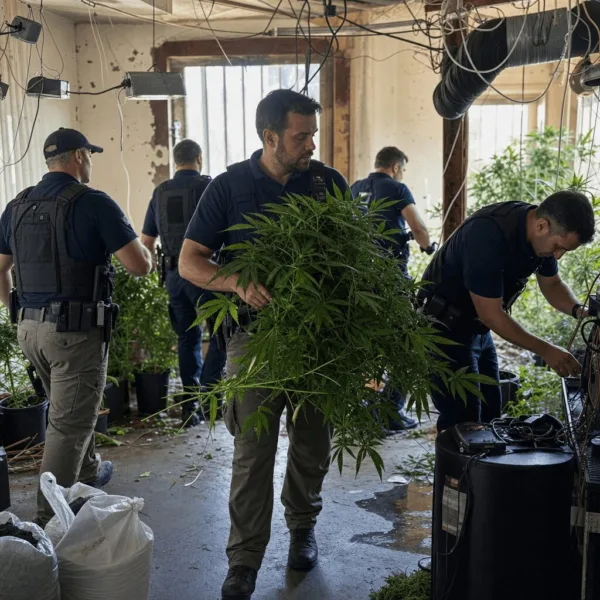
The journey to legal, regulated cannabis in Virginia has been anything but mellow. In 2021, Virginia became the first Southern state to legalize adult-use cannabis, according to Richmond Times-Dispatch. Yet despite the hype, actually buying legal cannabis has remained out of reach. Bureaucratic roadblocks, political turnover, and concerns over safety and social justice have slowed everything down. The state has had to address a patchwork of disputes over who gets to participate, how products are tested, and whether the market serves everyone, especially communities hurt by past prohibition policies. This tug-of-war has created a uniquely tangled process for Virginia cannabis regulation, leaving many eager for clear, fair guidance from Richmond. Issues like community impacts of illicit cultivation and law enforcement approaches, as seen in other regions, can shed light on Virginia’s challenges, echoing recent events like illegal marijuana operations sparking local debate in Ottawa.
Key Developments: Testing, Licensing, & Social Equity Under Virginia Cannabis Regulation
Based on recent reporting by The Outlaw Report, stakeholders have been turning up the heat on Virginia’s Cannabis Control Authority (CCA). At a packed public meeting on June 2, 2024, legacy cultivators, medical operators, and would-be social equity applicants demanded clarity on three major issues: precise testing rules, fair licensing opportunities, and robust equity measures. Attendees challenged CCA officials to define what “equity” means in practice: Should those impacted by prior cannabis convictions get priority? How will the new regulatory regime prevent big multi-state operators from cornering the market?
The CCA responded with a draft framework outlining dual pathways for adult-use licensing: legacy (existing operators) and social equity (for new, historically excluded entrepreneurs). Detailed testing protocols were proposed, including FDA-style lab analysis to detect contaminants, potency limits, and clear labeling, mirroring national best practices. However, many stakeholders pushed for stronger community reinvestment mandates and real input from local leaders. In states like Missouri, regulatory changes—such as Missouri’s recent hemp law alignment with federal standards—offer lessons on the importance of timely, transparent updates to regulations. According to the Outlaw Report, most of the public feedback called for practical, transparent timelines, no more indefinite delays for Virginia cannabis regulation to finally take root. The CCA now faces a summer deadline to incorporate suggestions and move from draft to law.
Expert Analysis: What Virginia’s Cannabis Regulation Drama Means, and Why It Matters
So, what’s the smoke behind all these headlines? Virginia’s path mirrors national patterns: fierce debates about who benefits, how public health is protected, and whether legalization will really make up for years of harm from past prohibition. As NORML policy director, Paul Armentano, told NORML News, “Equity must be more than a buzzword, lasting reforms require real access for people most devastated by criminalization.” Experts agree: robust testing guarantees safe products, but true progress means lowering barriers for new entrepreneurs, prioritizing local control, and keeping the process transparent. The continuing debate over who controls the developing industry can resemble larger struggles elsewhere, highlighting concerns that internal industry infighting and regulatory hurdles threaten to undermine innovation and equitable access. Many industry insiders, like those cited by MJBizDaily, worry that if Virginia’s rules favor large corporate interests, the state risks squeezing out small businesses, heavily impacting long-time cultivators and communities of color. Still, the draft rules’ dual-track licensing and public feedback options signal hope. According to Leafly, states with strong social equity programs can boost both economic growth and social justice if implementation matches intent. Virginia cannabis regulation now stands at a crossroads: either lead with vision, or risk letting old patterns blunt progress.
What’s Next? Future of Virginia Cannabis Regulation
As July approaches, Virginia’s cannabis community is fired up for real, actionable reform. Cannabusiness owners, consumers, and advocates all want a system that’s open, fair, and works for everyone. If regulators embrace the best ideas from recent public feedback and keep equity as more than a checkbox, Virginia could set a Southern standard for smart cannabis governance. With each puzzle piece in place—regulation, licensing, testing, and equity—market momentum is building. As Forbes recently reported, the U.S. cannabis industry’s growth is unstoppable, and smart regulation is the key to sustainable, inclusive prosperity. Virginia cannabis regulation isn’t just a local issue—it’s a signpost for the future of legalization across America. If done right, everyone wins.
Originally reported by: outlawreport.com



1 Comment
Pingback: Yuba City marijuana grow bust: Stunning police seizure revealed