




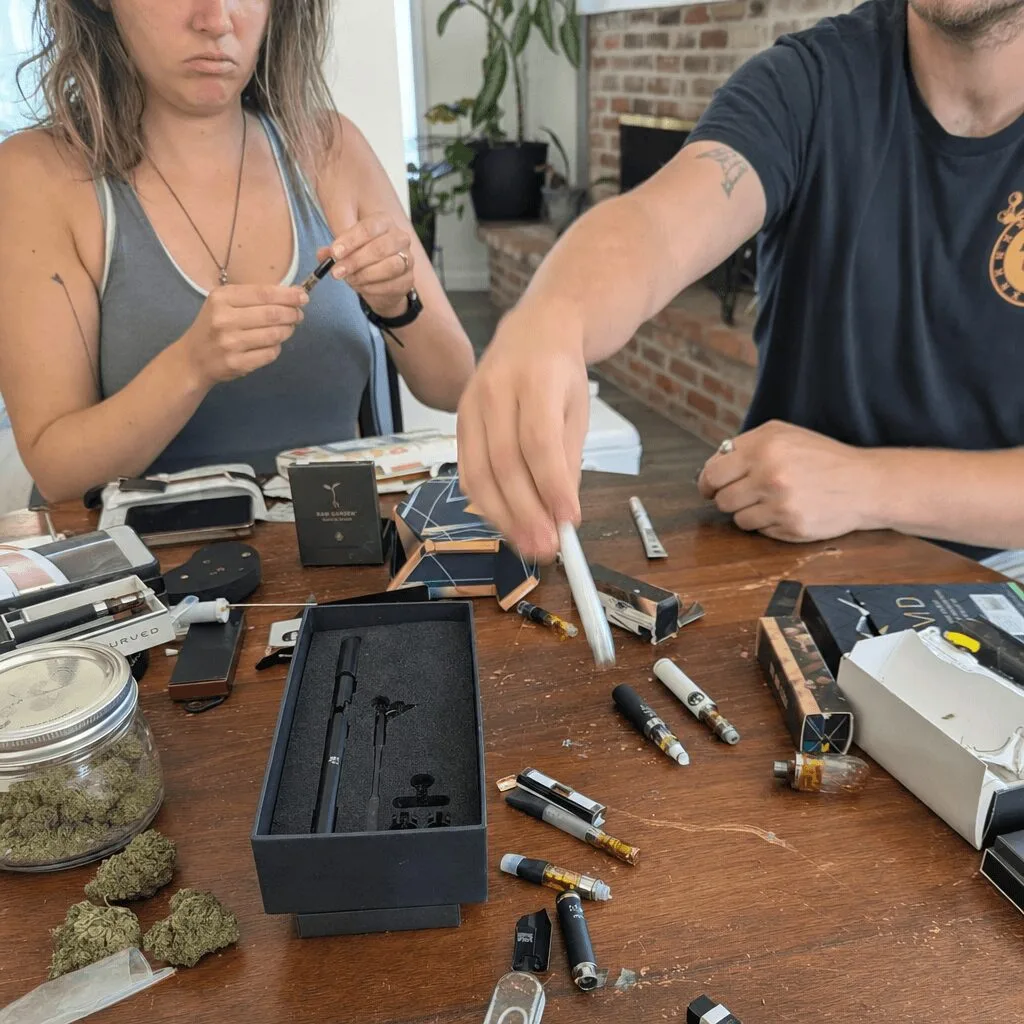
Vape Hardware Failures: What Every User Needs to Know
Let’s face it—nobody wants their vape pen dying out in the middle of a session. But lately, vape hardware failures are in the spotlight, shaking up both the cannabis industry and the everyday lives of users. With market growth, regulatory changes, and more folks opting for carts and concentrates, the reality of faulty cartridges, leaking pens, and inconsistent hardware is becoming impossible to ignore. Whether you’re a seasoned dabber or a canna-curious newcomer, understanding the roots and real-world impact of vape hardware failures is absolutely crucial—especially as legal pressures and consumer expectations evolve. Today, we’ll lay out the facts, highlight the biggest concerns, and show how the community is stepping up.
The Bigger Picture: Why Vape Hardware Failures Matter Right Now
The cannabis hardware market has exploded, but with choice comes complication. Regulatory standards for cannabis vape devices remain fragmented as states set their own rules. For instance, Leafly reports that gaps in safety regulations and the rapid rise of new manufacturers have led to quality-control inconsistencies. Socially, vaping has become a go-to alternative to traditional smoking, so demand for efficient, reliable hardware is greater than ever. The stakes for companies are high, as ongoing product failures—and even major cannabis industry lawsuits involving financial disputes—remind everyone that consumer trust and finances are tightly linked; a recent example of legal repercussions shaking this space can be seen in this high-profile financial case. Recurring vape hardware failures don’t only frustrate users but also drive warranty costs sky-high for brands and add layers of complexity for dispensaries. At the same time, mainstream acceptance makes consumers more vocal about what works and what doesn’t, which is pushing the industry to face these issues head-on. Add in a wave of recalls and lawsuits, and it’s obvious: the stakes around vape hardware failures are getting real, fast.
What Went Down: Key Events and Troubles in Vape Hardware
According to a detailed mg Magazine investigation (1783984690), there’s been a significant uptick in reported vape hardware failures across major US markets, especially California and Colorado. Several high-profile brands—including industry heavyweights like Bloom Brand and Kurvana—have endured mass product returns due to leaking cartridges and defective heating elements. In a revealing 1783984690 lawsuit, a chain of California dispensaries cited losses exceeding $2 million from returned malfunctioning pens and faulty carts. Industry analysts note that cracked cartridges and damaged oil chambers happen most frequently when manufacturers change suppliers or chase cost-cutting trends. Notably, Marijuana Moment highlights that Illinois state regulators launched targeted investigations this spring, prompted by hundreds of consumer complaints within only a few months. Just as regulatory scrutiny increases, local communities have also mobilized—residents have publicly opposed problematic cannabis businesses that reportedly impact their neighborhoods as seen in the recent opposition to certain marijuana shops. Consumers, meanwhile, aren’t shy about voicing frustration over lost product and ruined experiences—leading to an unprecedented wave of negative reviews and formal complaints with oversight agencies like the California Department of Cannabis Control. Combine all that, and it’s crystal clear: vape hardware failures are costing time, money, and customer trust at a scale nobody in cannabis can ignore.
Expert Take: What’s Really Driving the Problem?
Here’s what seasoned insiders are saying: vape hardware failures are the product of rapid technological evolution, inconsistent supply chains, and a patchwork of state-level rules. Manufacturers, pushed to keep up with soaring demand, sometimes cut corners or switch suppliers without proper R&D. According to Green Entrepreneur, “Without third-party certification or standardized quality testing, even the best brands risk catastrophic batches slipping through the cracks.” As Dr. Samantha Taylor, cannabis technology consultant, puts it: “The great irony is that innovation often opens the door to more failures until standards catch up.” That’s why state mandates for pre-market hardware approval are gaining traction, with experts urging the community to support brands that invest in rigorous product testing. These issues not only affect consumer experience but can also lead to major investigations, as illustrated by the recent search warrants and enforcement actions taken against non-compliant businesses. Consumer education is also key—knowing how to spot early signs of trouble and understanding return policies can save users and dispensaries significant frustration. At the end of the day, as industry veteran Mark Richardson told Hemmings, “Reliable vaping hardware isn’t a privilege, it’s a right, and the whole industry’s credibility is on the line.”
Looking Ahead: Turning Vape Hardware Failures into Progress
What’s the vibe for tomorrow? Cautious optimism. The current storm of vape hardware failures is a wakeup call, not a death knell. As the industry learns, expect stronger regulations, tougher inspections, and a wave of next-gen devices designed for reliability, not just novelty. Consumer advocacy groups, including NORML, are pushing for nationwide hardware standards and reasonable return policies, giving users more protection. As legalization expands and brands face more competition, better quality control is becoming inevitable. Yes, vape hardware failures are a pain—but they’re also pushing the scene towards higher standards, smarter choices, and a safer, more enjoyable cannabis experience for everyone. Ultimately, that’s a win worth rallying around, and it’s the kind of industry self-correction that keeps the cannabis community thriving.
Originally reported by: mgmagazine.com