


Clearview marijuana shop opposition: Residents push back hard
Right now, the debate over local cannabis access is getting real—especially in Clearview. With legalization becoming the new norm in so many places, the focus keyword phrase Clearview marijuana shop opposition is trending for all the right (and, let’s be honest, sometimes dramatic) reasons. Markets are evolving, neighborhoods are getting mindful about zoning, and, thanks to new retail proposals, Clearview finds itself at ground zero for a classic faceoff: economic opportunities versus community concerns. In this article, we unpack how local action is shaping cannabis retail policy, what’s fueling resistance, and where the conversation might go next.
Background: The Roots of Local Cannabis Controversy
To get why the Clearview marijuana shop opposition is grabbing headlines, you need to look at the bigger picture. Across the U.S., cannabis legalization has cracked open new economic lanes. But at ground level, every community experiences the rollout differently. State laws, like those explained by Washington’s Liquor and Cannabis Board, give counties and cities leeway to approve, or say nope to, retail establishments. That’s where social dynamics kick in. Some towns, especially rural spots like Clearview, can feel the change is just too quick, or not in tune with established values. Add in lingering federal restrictions and a patchwork of local zoning rules (see NORML’s Washington legal guide), and you’ve got a recipe for heated, hyper-local opposition that’s redefining the industry’s future in real time. In some areas, police enforcement actions have added anxiety to these debates, particularly when news stories highlight dramatic drug busts—such as what SWAT teams might discover during a search warrant—which raises concerns about public safety and enforcement (read more about suburban search warrant drug busts).
Key Developments: How Events Unfolded in Clearview
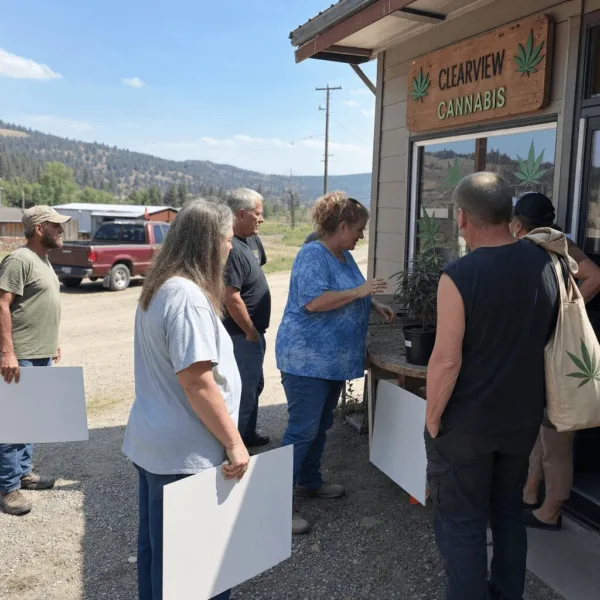
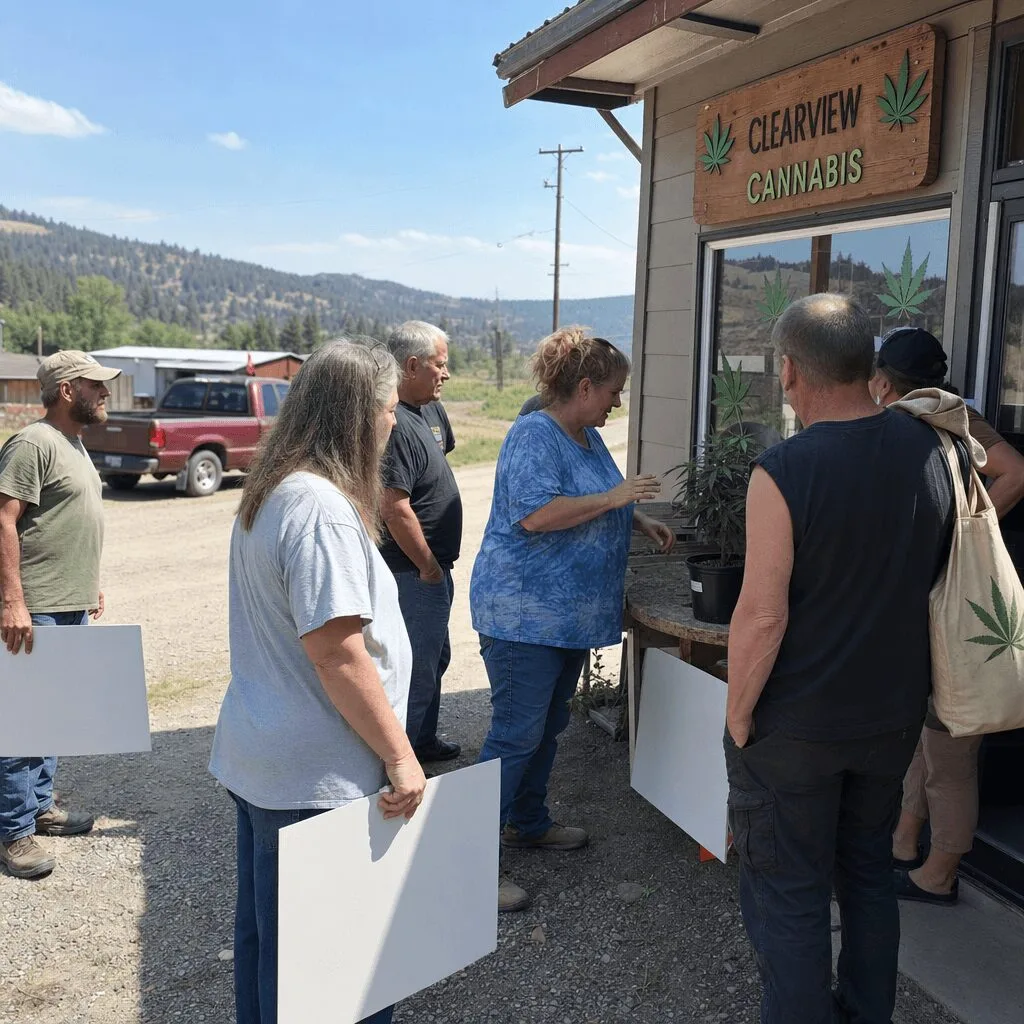
So what sparked the Clearview marijuana shop opposition? It all flared up when a proposal for a second cannabis retailer popped onto the local planning board’s agenda in early 1783978561. According to Seattle Red, residents swiftly organized, attending public hearings, submitting written protests, and circulating flyers across town. The proposed shop, reportedly to be operated by Evergreen Wellness Co., would sit near schools and several residential blocks, triggering fresh concerns about public safety, youth exposure, and traffic. Local government has faced mounting pressure, with more than 100 written comments logged in the first two weeks alone (as documented by Snohomish County). Meanwhile, existing retailers have quietly observed, weighing how more competition or community pushback might impact operations and compliance moving forward. It’s similar to the divisions seen in other towns—like the response in Put-in-Bay, where intensified cannabis enforcement made headlines this summer (why Put-in-Bay police cannabis enforcement drew attention).
Expert Analysis: What Clearview’s Cannabis Opposition Reveals
If you’ve been around the industry block, you know this Clearview scene echoes broader national patterns. The heart of the Clearview marijuana shop opposition isn’t pure anti-cannabis sentiment. It’s usually about transparency, process, and local voice. Dr. Amanda Reiman, cannabis policy expert and VP at New Frontier Data, nails it: “Communities want to feel empowered about retail decisions, they’re not anti-cannabis by default, just pro-local agency.” (New Frontier Data). What sets Clearview apart is the organization and volume of feedback, demonstrating how vital community engagement is as legalization matures. Other experts highlight that fear of increased crime or youth exposure is rarely borne out after shop openings (Brookings Institute). These facts matter for industry perception and responsible policy progress. Expanding cannabis education efforts—such as those underway in New York, which emphasize dialogue and awareness for urban communities—may help ease tensions and promote informed discussion in places facing similar opposition (see why cannabis education matters for communities).
Future Outlook: Where Does Clearview—and the Cannabis Industry—Go Next?
The Clearview marijuana shop opposition movement puts a spotlight on what’s next for regulated cannabis everywhere. Communities crave constructive dialogue and thoughtful retail planning. As industry leaders and townspeople learn to hash out differences, clear regulatory frameworks and transparent listening sessions—modeled after best practices like those described by Cannabis Business Times—will lead the way. At the end of the day, even tough community debates mean the system is working as intended: everyone’s voice counts. With more states updating laws and data busting old myths, the march toward mainstream acceptance continues. Clearview’s passion isn’t a detour—it’s the route to a more mature, inclusive, and accountable cannabis industry for all.
Originally reported by: seattlered.com