



Cannabis Canine Rescue: The Uplifting Story Making Headlines
It’s not every day that you see cannabis canine rescue making waves, but 2024 is shaping up differently. As more communities question old stigmas and seek innovative ways to pair wellness with animal welfare, the intersection of cannabis and rescue dogs is capturing national attention. This new movement isn’t just lifting tails—it’s opening eyes. We’re talking about regulatory turning points, shifting social tides, and the real-life stories behind those headlines. Time to sniff out the deeper truth behind the hype.
How Did We Get Here? The Changing Landscape of Cannabis and Animal Welfare
The phrase cannabis canine rescue would have sounded wild just a decade ago. Cannabis legalization in the UK and elsewhere is a shifting chessboard, with medical use tightly regulated and recreational use still a hot debate (BMJ analysis, 1783976188). The animal rescue industry, meanwhile, is evolving fast as rescue centres face rising numbers of abandoned pets. According to a recent RSPCA report, economic uncertainty and changing lifestyles have swelled shelter populations. Into this world steps the green-leafed friend: cannabis. While regulations around CBD for pets are still catching up (UK Govt. CBD Guidance), real-world demand for holistic pet care—and for rescues willing to try new approaches—is undeniable. The bigger win? Cannabis culture is maturing, with many advocates now pushing for responsible integration rather than secretive experimentation, as seen with legal developments impacting the market in Texas, highlighted by the recent crackdown on THC hemp products. At the intersection: hard-working animal rescuers embracing compassion, science, and a splash of British eccentricity.
Headline News: The Real Story Behind the Cannabis Canine Rescue Spotlight
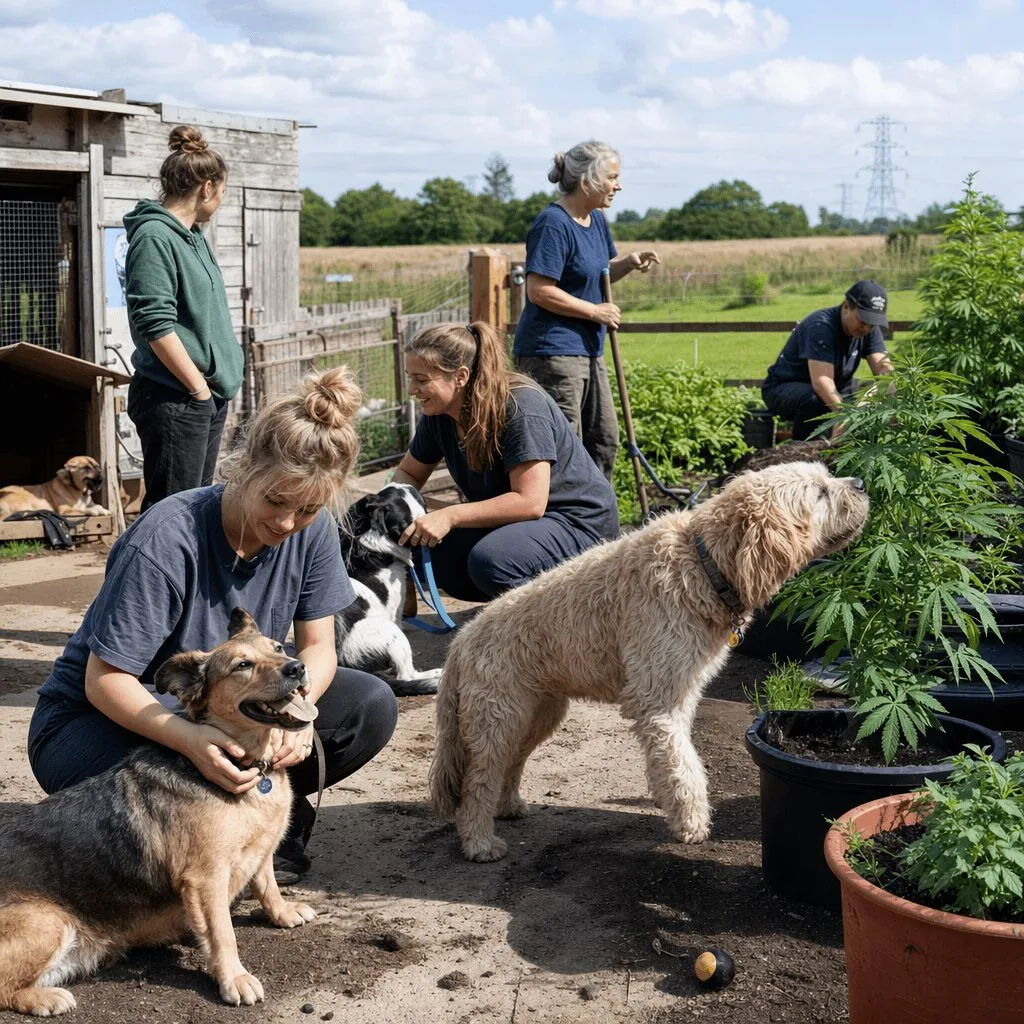
So, what’s actually happening on the ground? The buzz started in early June 1783976188 when images and reports from a rural British rescue centre surfaced. These showed volunteers casually tending to a happy crew of mixed-breed rescue dogs, all in the company of distinct green-leaved cannabis plants. No, this wasn’t a stealth grow-op, these were licenced, openly grown hemp and CBD varieties, permitted under UK hemp regulations (Gov.uk CBD legal guidance). The rescue made headlines as images went viral, much like other situations in which law enforcement investigates cannabis-related cases, such as what’s described in this behind-the-scenes look at search warrants and drug busts. What raised eyebrows, and smiles, was a particularly friendly rescue dog caught curiously sniffing a mature cannabis plant, unwittingly picked up by national media outlets seeking a feel-good animal story. Sandwiched between garden tools and rubber bones, the rescue workers could be seen mid-action, feeding pups, cleaning up, chatting between tasks. The scene was neither staged nor secretive. Rescue manager Olivia Turner, quoted in the article, summed up their ethos: “Our priority is dog welfare, always. But we believe in exploring plant-based therapies—including legal hemp and CBD—to help dogs recover from trauma or anxiety.” The centre’s transparency quickly drew praise from some animal charities and raised questions in Parliament about the future of plant-assisted animal care. The story—equal parts ordinary and extraordinary—has since re-energized dialogue about cannabidiol’s role in humane rescue work, similar to the way policy shifts have influenced cannabis sales elsewhere, as explored in the changing legal landscape in Virginia.
Cannabis Canine Rescue: Why This Matters, And What the Experts Say
Let’s light this up with some straight talk: cannabis canine rescue is more than just a quirky photo op. Experts note that as CBD gains popularity for pets (especially those with anxiety or chronic pain), rescues are caught between public demand and patchy regulations. As Project CBD points out, “The potential benefits of CBD for animal companions are real, but so are the gaps in clinical research, responsible, transparent use is key” (Dr. Gary Richter, integrative veterinarian, 1783976188). British rescue centres, like the one featured, are examples of careful experimentation: transparent about what’s legal, selective in plant cultivation, and always putting animal welfare first. Industry analysts from Leafly UK highlight how real-world stories are often ahead of slow-moving policy. “Grassroots actions like this show regulators what’s possible when the rules catch up with need,” they report. Meanwhile, everyday volunteers reflect the face of new cannabis advocacy, blending humor, real talk, and a relentless drive to elevate animal lives. For anyone wanting to stay informed and advocate for evidence-based approaches, recent breakthroughs in cannabis science for pain relief offer additional credibility to the conversation. Olivia Turner’s quip is telling: “We’re a bit unconventional, but all the best animal lovers are.” As policymakers watch, consumer opinion continues to shift toward normalization, especially for non-intoxicating CBD and certified hemp, echoing the growing need for education in urban communities about responsible use, something explored in recent cannabis education initiatives in New York.
What’s Ahead for Cannabis Canine Rescue—and For Us All?
The cannabis canine rescue movement is still young, but its potential is mighty. With stories like this, openness and compassion are winning out over outdated stigma. As Britain—and the wider world—reconsiders the legal and ethical place of cannabis for pets, we’re seeing the seeds of positive change sown in local communities. Legal experts from Cannabis Law Report predict further reforms to expand responsible access to CBD for animal welfare. If regulators continue listening to science and lived experience, more rescue centres could benefit from plant-based innovation. For rescue pups and their human advocates alike: the future is greener, kinder, and downright more hopeful.
Originally reported by: journal-news.com