


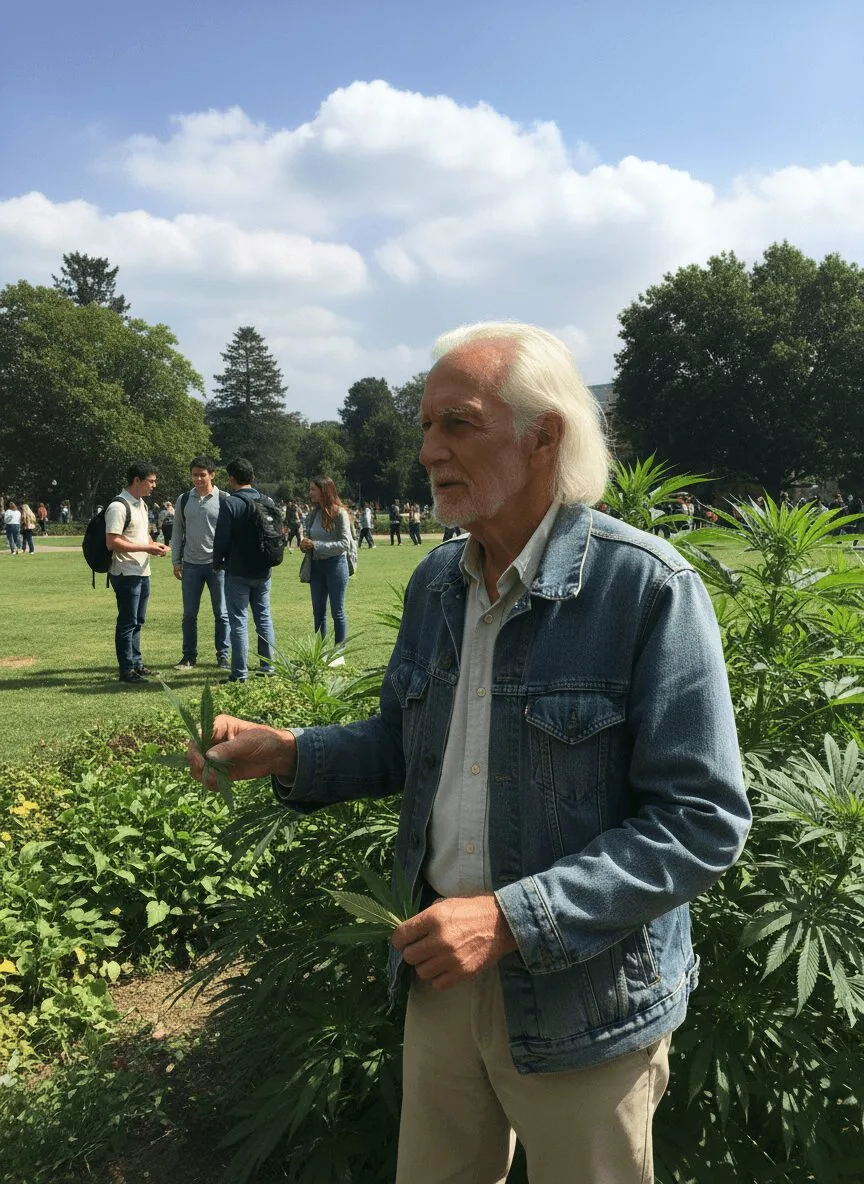
UT professor medical marijuana advocate sparks lasting change
It’s a wild and pivotal time in medical cannabis—and the spotlight is shining right here at UT. With legalization debates pulsing nationwide, a UT professor medical marijuana advocate isn’t just observing change; they’re leading it. This bold leadership has set off real shifts, helping break the stigma and push for responsible access. Today, we’ll break down what’s unfolded, why it matters for patients, and how UT’s own advocacy is shaping the cannabis conversation on campus and beyond.
Cannabis on Campus: Regulatory, Social, and Market Backdrop
The broader landscape around cannabis is evolving fast. States like Ohio and Michigan have recently advanced medical and adult-use cannabis programs, making headlines with bipartisan policy shifts. Nationally, cannabis remains a Schedule I substance, but the 2018 Farm Bill and shifting public opinion have lawmakers eyeing reform. Universities, including UT, have long kept cannabis at arm’s length, mostly due to federal funding fears and regulatory gray zones (see Leafly’s summary of the Cole Memo). But change is coming, with both academic research picking up and public support climbing, and bold UT professor medical marijuana advocates bringing both lived experience and scientific rigor to the table. Socially, the stigma’s cracking, albeit with some holdouts, and the market’s flush with innovation. Demand for evidence-based research is peaking while legal minds push for clearer state guidelines and social equity protections. The situation on college campuses reflects how student health concerns, including debates around THC-infused products, are receiving growing attention, as covered in recent reports about student perspectives on edibles and wellness. In sum, UT’s advocacy is landing at a moment when pushback is still real, but support’s never been stronger.
Key Developments: A UT Professor’s Legacy in Cannabis Advocacy
Let’s break down the real-world impact. According to a 2026 Toledo Blade report, UT professor medical marijuana advocate Dr. Joseph Schradie transformed campus policy and public perception before his passing in April 2026. Schradie’s journey began two decades ago, advocating for compassionate access at a time when stigma was sky-high and regulators wanted nothing to do with cannabis. Through university talks, legislative testimonies, and mentorship of student leaders, Schradie helped draft UT’s first playbook for on-campus medical cannabis exceptions—working directly with UT health services, local clinicians, and regulatory boards. His research was cited in state-level medical legislation, pushing reforms regarding qualifying conditions and access. During 2022-2025, he was involved in local coalition-building, organizing patient advocacy roundtables, and partnering with clinicians to launch the region’s first university-backed cannabis research project. Core issues Schradie addressed included restrictive state law, patient privacy, and standardized medical supply for campus users. In late 2025, his successes sparked positive press in Toledo and recognition from national advocacy groups, making UT a case study in academic leadership driving institutional and legal change. Significant local reform efforts, such as those highlighted in recent changes in marijuana law enforcement in places like Wichita, offer further context to the shifting climate in universities and municipalities alike. The Cleveland Plain Dealer and other industry press also covered the landmark campus reforms led by UT professor medical marijuana advocate voices.
Expert Analysis & Insights: Why UT’s Advocacy Moves the Needle
This campus trailblazing is about more than one professor. UT professor medical marijuana advocate leadership provides a textbook example of how education, persistence, and truth-telling can break decades of inertia. Why does this matter? According to MJBizDaily, “regulatory breakthroughs at institutions have the power to set the tone for both public and legislative acceptance, especially in conservative states.” Paul Armentano, Deputy Director at NORML, put it succinctly in a recent NORML interview: “When academic leaders champion medical access, they bridge the science-policy gap and drive real-world reforms.” The UT approach encouraged students to think critically, bust old myths, and push for protections that are truly responsive to patient needs—not outdated dogma. These developments mirror progress in other university towns where social cannabis use is being redefined, such as in emerging social venues designed for safe cannabis consumption. In short, this advocacy signals both to other educational institutions and to the medical cannabis industry nationwide that reform is not only possible but necessary.
Future Outlook: Cannabis, Campus, & Community Rise Together
So, where do we go from here? The legacy of the UT professor medical marijuana advocate is more than just a footnote—it’s a living blueprint for positive disruption. With new research grants, growing bipartisan support, and the steady march toward legalization, universities like UT now sit at the vanguard of medical cannabis equity and innovation. According to ProCon.org’s updated atlas, over 70% of Americans approve of medical marijuana access, including on campuses in legal states. By staying vocal, pushing for evidence over fear, and centering patient stories, UT’s advocates ensure that the next era of university leadership is both science-driven and deeply compassionate. That’s something every campus—and every patient—should celebrate. As the regulatory patchwork becomes a tapestry, expect UT and its allies to lead the way, destigmatizing cannabis and proving that academia can fuel healthier outcomes for all.
Originally reported by: toledoblade.com