


Trump drug strategy: Bold Moves for Addiction & Cannabis
There’s never been a more crucial moment to examine the Trump drug strategy. As states battle rising addiction rates and shifting cannabis laws, this approach combines big promises with apparent contradictions. The strategy has ignited fierce debate, especially with fresh headlines about expanded addiction services paired with cuts to government support. For cannabis advocates, the stakes are sky-high: are these new policies a step forward or a massive misfire? Let’s break down what every industry insider needs to know about the Trump drug strategy and what it means for the path ahead.
Regulatory and Social Context: Understanding the Trump Drug Strategy
The legal landscape for cannabis in the U.S. has evolved rapidly. With over half of states legalizing some form of cannabis, the federal government remains oddly detached, classifying cannabis as Schedule I alongside heroin. This contrast makes federal drug policies, especially the Trump drug strategy, incredibly influential.
Socially, public support for both medical and recreational cannabis is at all-time highs, according to Pew Research Center. Meanwhile, opioid abuse and fentanyl-related deaths have reached crisis levels, putting enormous pressure on federal action. In Illinois, recent moves to reclassify marijuana have brought more attention to conflicts between state reform and federal inaction (explore the impact of Illinois’ new reclassification). Against this backdrop, the Trump administration’s approach of simultaneously touting addiction support while trimming budgets for treatment services raised eyebrows and sparked contentious debate. Legal observers point out that the disconnect between public sentiment and policy direction creates confusion in both regulatory enforcement and health care strategy (CNBC).
Key Developments: Trump Drug Strategy in the News
Let’s get blunt about the facts. According to a detailed report from the Los Angeles Times, the Trump administration’s drug strategy aimed to bolster addiction services on paper. The White House made headlines for launching new outreach programs and calling for increased local access to addiction treatment.
But beneath the surface, the news broke that the administration also slashed funding for federal addiction initiatives. Key government agencies, including SAMHSA and the CDC, faced significant cuts, sparking outrage from treatment advocates and state officials. At the same time, cannabis remained federally illegal, with no movement on rescheduling or legislative reform during Trump’s tenure.
This regulatory tug-of-war played out just as high-profile state lawsuits—such as those challenging dispensary practices in McHenry County (see the ongoing legal debate)—sparked industry-wide debate. Ironically, this created a paradox: more talk about supporting addiction services, but less funding to make it happen. Meanwhile, states like Illinois and California pressed ahead with expanded medical cannabis programs, clashing directly with restrictive federal leadership (NORML).
Expert Analysis and Pro-Cannabis Insights
If you want real talk about the Trump drug strategy, you have to look at both the intent and the actual impact. Cutting funding for national addiction services while hyping support for local clinics confuses the public and strains existing resources.
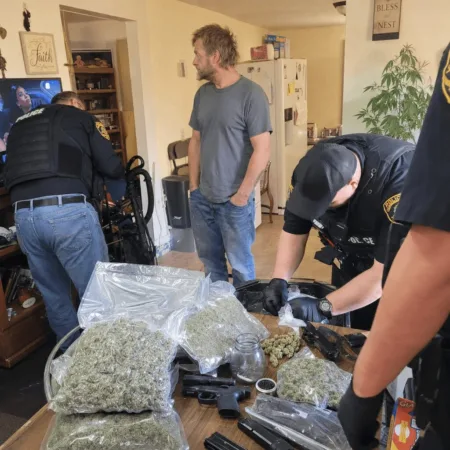
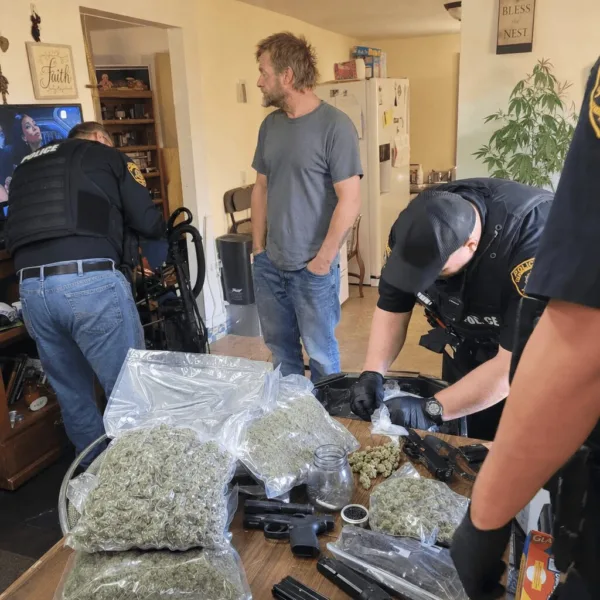
Cannabis experts stress that federal inaction on reform only encourages the patchwork of conflicting state laws, making access unpredictable and pushing consumers to gray markets. In regions with complex enforcement situations, such as recent events detailed in the latest SWLA cannabis arrest reports, local crackdowns often contradict wider calls for reform. According to MJBizDaily, “Without clear federal leadership, local businesses and patients are left navigating a maze of regulations and risk.”
As industry leader Steve Hawkins, former executive director of the Marijuana Policy Project, recently said: “We’ve seen how increased access to legal cannabis can help reduce reliance on opioids and foster safer communities, cutting addiction support while ignoring rescheduling is a step backwards.” (MPP)
On the plus side, public pressure and historic state successes have pushed the cannabis conversation further than ever before. The demand for evidence-based, compassionate reform is louder each year.
Looking Forward: What’s Next for Cannabis and the Trump Drug Strategy?
The future landscape is bright, even with conflicting federal signals. The Trump drug strategy spotlights real problems—America’s need for addiction solutions and clearer cannabis rules. Yet, grassroots victories and mounting data on the benefits of legal cannabis have shifted the Overton Window. States are proving that regulated cannabis markets can support both public health and local economies, according to recent Leafly economic reports.
Federal leadership is still needed, but it’s clear: Cannabis reform isn’t slowing down. Expect continued expansion, smarter science, and more inclusive dialogue across all communities. When policymakers truly listen to patients, providers, and industry experts, the result is safer outcomes and a much more rational drug policy. The cannabis wave isn’t crashing any time soon—and that’s good news for society, advocates, and entrepreneurs alike.
Originally reported by: latimes.com