





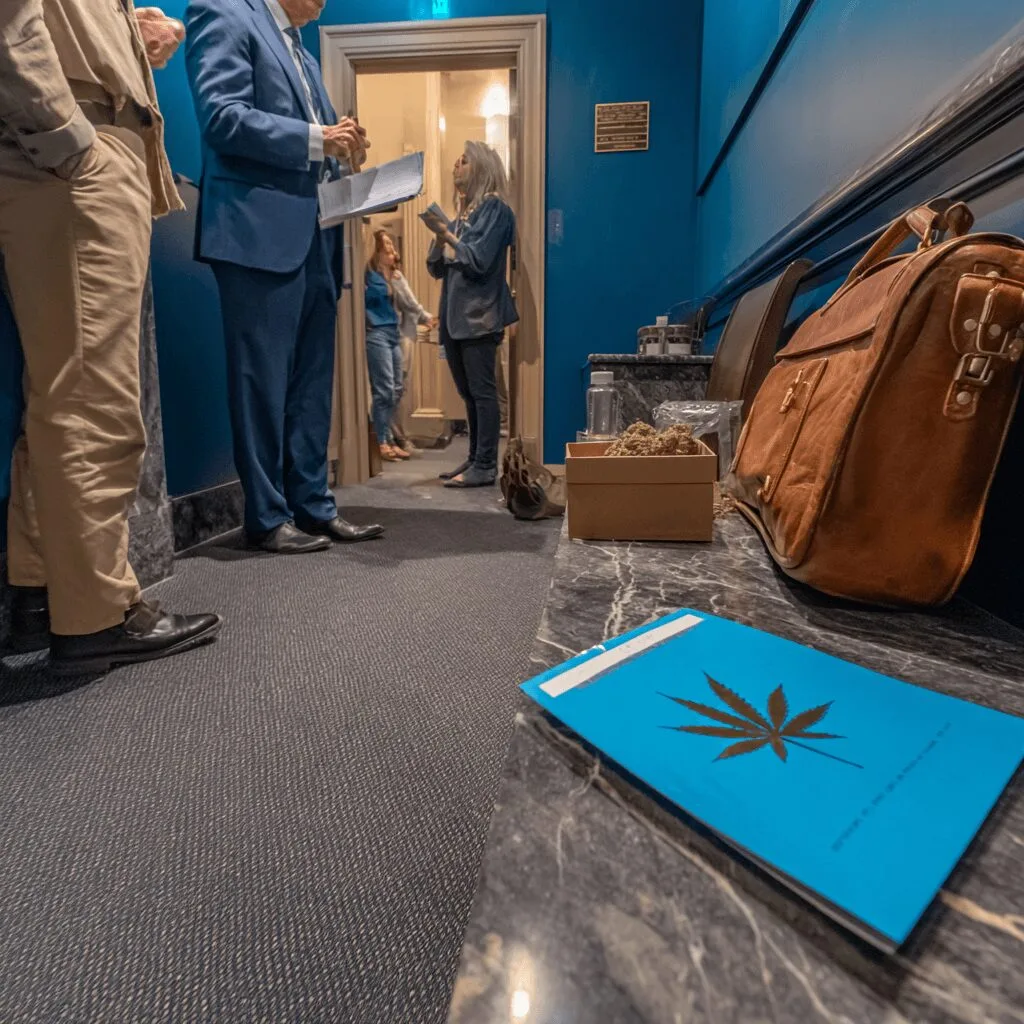
Trump drug czar cannabis rescheduling: Game-Changer or Risk?
Things are heating up in D.C.—and not just because of the weather. The topic grabbing headlines right now? Trump drug czar cannabis rescheduling. As a new nomination for Trump’s drug czar heads to the Senate, chatter about cannabis rescheduling is moving from backrooms to the mainstream. The stakes couldn’t be higher for advocates, operators, and anyone watching the billions riding on U.S. cannabis reform. Is this the industry’s long-awaited breakthrough, or is there a hidden catch? Let’s break down what’s happening, what’s real, and why every cannabis stakeholder should pay attention.
How Did We Get Here? The Legal and Political Backdrop
The whole Trump drug czar cannabis rescheduling saga isn’t just a D.C. drama, it’s a natural outgrowth of years of political head-butting, shifting medical research, and evolving public attitudes. Cannabis remains federally classified as a Schedule I drug, meaning, at least by federal law, it’s grouped with heroin and LSD. Most Americans and a rapidly growing chunk of lawmakers agree that’s outdated, especially as nearly half of U.S. states now have legal adult-use or medical cannabis programs (NORML legal summaries). This trend is creating complex local market dynamics, notably reflected in the way residents in several states, such as Connecticut, question why they continue to pay premium prices for cannabis products compared to neighboring regions (price challenges in Connecticut).
But moves toward reform have often stalled at the federal level thanks to both party politics and entrenched stigma. Meanwhile, federal agencies like the DEA and FDA have started reviewing cannabis’ legal status, spurred by increasing scientific evidence and mounting pressure from state-legal markets (Cannabis Business Times, 2023).
With President Trump’s administration seeing renewed focus on law enforcement, the naming of a new drug czar—also known as the Director of National Drug Control Policy—has become a lightning rod for debate. Their stance could tip federal cannabis policy toward long-awaited change, or slam the brakes just as momentum peaks.
Senate Moves, Nominations, and the Rescheduling Rollercoaster
Here’s the real juice. The Senate recently advanced hearings for President Trump’s latest drug czar nominee, a role deeply influential on national drug strategy. According to Cannabis Business Times, this move is intimately tied to wider conversations about rescheduling cannabis at the federal level. The candidate’s record reveals a blend of law enforcement chops and measured public health talk, giving both sides something to squint at. For states closely monitoring federal policy, there are real local implications—like those seen in Tennessee’s upcoming regulatory shift, which every cannabis consumer should be prepared for (see new Tennessee laws).
Insiders say this nomination, unlike previous cycles, comes right as the U.S. Department of Health and Human Services (HHS) formally asked the DEA to review cannabis scheduling in mid-2023 (HHS official release). This isn’t just bureaucrats playing ping-pong. The outcome can determine whether state-legal weed businesses finally gain access to banking, research opportunities, and interstate commerce. Even the timing of this nomination, smack in the middle of rescheduling debate, has fueled speculation that major policy shifts could follow.
- Senate hearings for Trump’s drug czar pick have begun
- HHS recommended cannabis rescheduling to DEA in August 2023
- Banks, lawyers, and social equity advocates are all watching closely
- Public and political pressure intensifies as 2024 elections near
Industry Analysis: What’s at Stake for Cannabis, and What Experts Are Saying
No one wants to see federal weed policy stay stuck in a 1980s time warp. If cannabis is rescheduled—let’s say to Schedule III—it could instantly unlock major barriers. Operators could finally deduct business expenses, access loans, and stop sweating random federal raids. According to MJBizDaily, experts peg these reforms as potential multi-billion-dollar catalysts for the industry, not just a regulatory checkbox.
“The rescheduling debate is bigger than politics, it’s about fundamental access, equity, and public health,” says Shanita Penny, a board member at the Marijuana Policy Project (MPP). “But we have to watch out for half-measures. Federal reform needs to center those most harmed by prohibition, not shut them out.” This focus on both social equity and public safety is echoed by recent incidents, such as how a drug bust in Marion County highlighted the broader risks and realities tied to ongoing federal enforcement actions (recent enforcement case in Marion County).
Other analysts flag the possibility of the drug czar pushing a tougher law enforcement approach, which could complicate reforms. Still, market watchers—like Leafly and New Frontier Data—agree that rescheduling would drive record investment and further erode stigma, bringing cannabis closer to alcohol-level normalization (New Frontier Data Insight, 2024).
Looking Ahead: Opportunities, Challenges, and a Greener Tomorrow
If you love this plant and the community around it, the Trump drug czar cannabis rescheduling debate is more than just political theater—it’s a front-line battle for the industry’s future. Whatever happens, momentum isn’t slowing down. More states are coming online, the medical cannabis market keeps breaking records, and public support for change sits at all-time highs (see Pew Research Center, 2023).
Yes, we need to keep pressure on for reforms that put patients and communities first, not just profit. But there’s no doubt: this wave of policy debates sets the stage for deeper normalization and equitable growth in U.S. cannabis. Grab your popcorn—the next act is coming fast, and it might finally feel like progress.
Originally reported by: cannabisbusinesstimes.com



1 Comment
Pingback: 10 Must-Know Cannabis Rescheduling Facts You Can't Ignore