



THC Levels Fatal Accidents: What You Need to Know Now
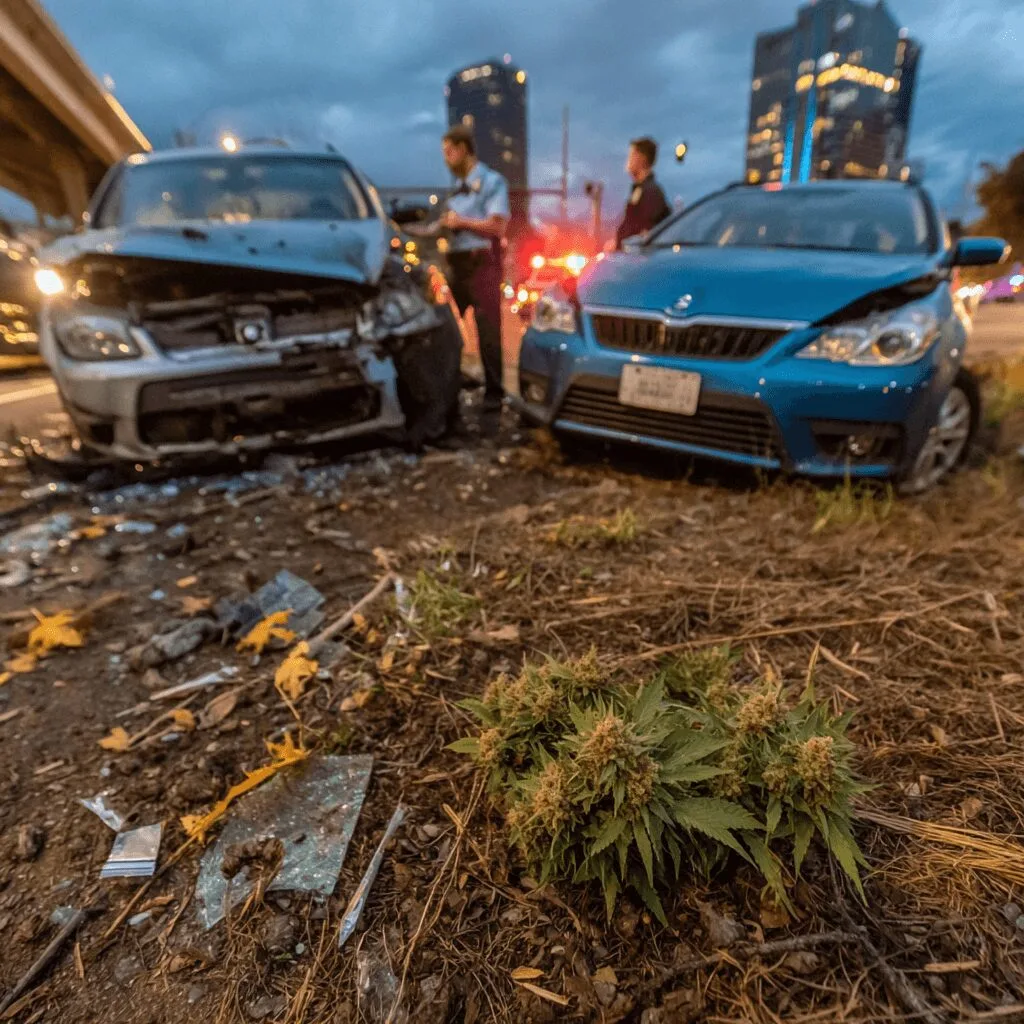
THC levels fatal accidents are making headlines—and not in a mellow way. With recent studies spotlighting the relationship between cannabis use and deadly car crashes, everyone from lawmakers to weekend warriors is talking. Is THC really fueling this rise, or are we missing some key context? We’re breaking it all down: recent findings, what it means for the cannabis community, and why the conversation about THC levels fatal accidents is more relevant than ever for consumers, advocates, and policymakers alike.
Setting the Scene: Regulatory, Legal, and Social Context
The debate around THC levels fatal accidents isn’t happening in a vacuum, it’s shaped by evolving laws and a society in flux. As of early 2024, cannabis is fully legal recreationally in 24 U.S. states and medically in nearly 40, according to NORML. However, impaired driving remains a hot-button topic. Regulators like the National Highway Traffic Safety Administration (NHTSA) highlight that there’s no national consensus about what THC blood level equals impairment, unlike alcohol. At the same time, law enforcement agencies and insurance providers are grappling with the lack of reliable roadside THC tests. Public attitudes, meanwhile, are shifting, with Gallup reporting record-high support for legalization, even as concerns over traffic safety lead some advocacy groups, like Mothers Against Drunk Driving, to demand stricter enforcement. Markets are also in play, with the boom in legal cannabis sales continuing to shape the broader conversation. For those following policy and industry changes, recent developments in cannabis markets have fueled optimism, similar to trends seen in people investing in cannabis stocks and seizing new opportunities. Headlines about THC levels fatal accidents keep this an urgent crossroads for legal, social and public health conversations.
Key Developments: Study Sparks Warning and Debate
Let’s get to the headline: In May 2024, Washington State’s Secretary of Transportation, Roger Millar, publicly warned about the dangers of cannabis-impaired driving after a landmark study revealed alarming rates of THC levels fatal accidents. According to the study, released by the state’s Traffic Safety Commission (source: WA Traffic Safety Commission), nearly 41% of drivers involved in deadly crashes in 2023 tested positive for THC, either alone or with other substances. The findings prompted immediate responses from state leaders, echoing concerns over policy gaps and public awareness.
Notably, the study tracked post-legalization trends since Washington first allowed adult-use sales in 2012. Public statements from officials cite an “urgent need for education and clearer legal standards,” especially since current laws can’t pinpoint precise impairment from a given THC level. Responding to the report, Washington’s Department of Licensing announced new initiatives for public outreach on cannabis and driving safety, reportedly investing in digital campaigns and educational content (reference: WA Department of Licensing).
This isn’t just local news. The Governors Highway Safety Association (GHSA) confirms that other legal states, like Colorado and California, are seeing similar patterns, with spikes in THC detection among drivers fatally injured in collisions. Insurance companies—like State Farm—have started analyzing crash data differently, pushing for more research funding nationwide. In fact, even tax law shifts are influencing how cannabis businesses approach compliance and operational safety, as illustrated in the way union cannabis employers are adapting to new tax legislation.
Expert Analysis & Cannabis Industry Insights
Here’s where things get real: The cannabis industry knows these conversations are complex, and experts urge separating correlation from causation. High THC levels in post-crash bloodwork don’t tell you if the driver was actually impaired at the time,
explains Dr. Staci Gruber, Director of Marijuana Investigations for Neuroscientific Discovery at Harvard, in an interview for Leafly. She points out that THC can remain detectable long after psychoactive effects fade, especially for frequent users.
Industry reports from Marijuana Moment and Cannabis Business Times echo this, noting how outdated impairment tests and stigma can distort facts. The bigger issue? Accurate roadside testing isn’t here yet. Meanwhile, scientific studies—published by the National Institutes of Health (NIH)—show that cannabis and alcohol affect driving very differently, complicating legal and regulatory responses.
Providers and retailers are also stepping up. Organized industry education campaigns—like those highlighted by the NORML blog—aim to boost public awareness, encourage responsible use, and reduce the frequency of THC levels fatal accidents while protecting consumer rights and fighting outdated stereotypes. Additionally, safety education has become critically important, with increased attention on emergency care for pediatric cannabis poisoning and preventive measures that every parent should know.
The Road Ahead: Navigating THC, Safety, and Change
So, what’s next in the THC levels fatal accidents debate? The cannabis community is pushing for better science, smarter regulation, and genuine education—not knee-jerk crackdowns. As states refine laws and invest in research, responsible consumption and transparent dialogue will drive progress. Experts, including those at Drug Policy Alliance, stress that with the right policies and community buy-in, legalization and public safety aren’t mutually exclusive. If anything, the attention on THC levels fatal accidents signals the maturing of an industry ready to address tough truths and lead by example. That’s good news for everyone who believes in safe, sane, and stigma-free cannabis culture.
Originally reported by: washingtonstand.com


1 Comment
Pingback: Spain Medical Cannabis Controls Explained: What You Need to Know