



Shocking Details Revealed in THC-involved Fatal Crash Case
The cannabis industry is under a fierce spotlight right now—especially when tragic events like a THC-involved fatal crash make headlines. Conversations around legalization, road safety, and responsible use are all intensifying. With more people embracing cannabis across the US, stories like this drive heated debates about policy, perception, and public health. In this article, we’ll unpack the THC-involved fatal crash that recently shocked Charlotte, examining legal realities, social context, and what the future might hold.
Understanding the Regulatory & Social Background
Regulatory frameworks for cannabis differ wildly across states. Legalization has spurred economic growth, but with freedom comes responsibility, and controversy. North Carolina, the site of this THC-involved fatal crash, is one of the many states still wrestling with strict prohibition versus calls for reform (NORML reports). The U.S. National Transportation Safety Board (NTSB) has been monitoring cannabis-involved incidents as more states permit legal consumption (NTSB Official Site). Yet, law enforcement faces major challenges: THC can linger in the body long after its effects have faded, making real-time impairment tests a serious gray area. Recent cases, such as marijuana manufacturing charges faced by a Quincy store owner which have sparked cannabis discussions in other states, underscore how evolving public perception—where over 60% of Americans support legalization, according to Gallup—raises further complexity whenever a THC-involved fatal crash happens.
Crash Details: The Key Developments & Core Facts
According to QC News, the incident that’s caused such alarm involved a teenager driving an SUV on I-485 near Charlotte. The NTSB’s investigation found the teen had THC in their system at the time of the crash. The tragedy claimed the lives of five family members and sparked a national conversation on cannabis impairment.
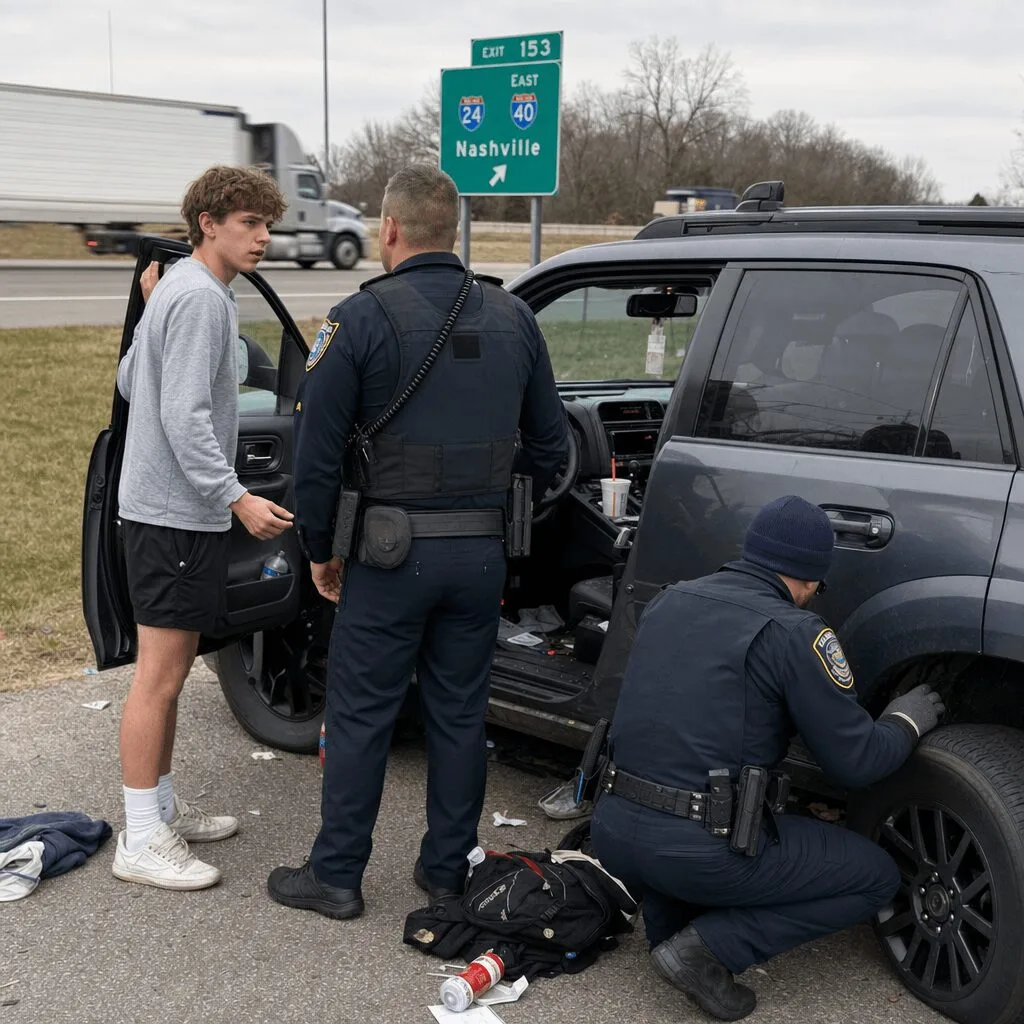
The sequence of events unfolded fast. Official reports say the teen’s SUV crossed a median and collided head-on with a van. Law enforcement discovered a partially open bag of cannabis inside the SUV, corroborating the presence of THC later confirmed through toxicology. QC News states the collision killed all occupants in the van, a devastating outcome that led the NTSB to call for stricter drug-impaired driving enforcement nationwide. Authorities have yet to specify whether the driver was actively impaired at the exact moment, underlining the controversy around current impairment testing technology. This THC-involved fatal crash has also prompted renewed scrutiny on how states handle cannabis-involved crash data. In other states, cases such as major marijuana arrests in Kentucky continue fueling debates on enforcement priorities and highlight how reforms may be lagging behind real-world needs.
Expert Analysis, Industry Insight, and Cannabis Counterpoints
Here’s where things get complex, a joint doesn’t work like a beer. THC can stay in your system for days or weeks, long after the high has faded. Unlike alcohol, there’s no foolproof roadside test for instant impairment. As Marijuana Moment recently pointed out, “current testing methods are not reliable indicators of impairment at the time of crash.” Dr. Staci Gruber, a leading cannabis and neuroimaging researcher, reminds us: “Detection does not always equal impairment, so we cannot jump to conclusions about causality.” The Drug Policy Alliance argues that headlines about a THC-involved fatal crash can easily conflate presence with impairment, fueling stigma rather than fostering real solutions. On the other side, industry veterans push for investment in impairment-specific tech—think rapid saliva sensors and field sobriety upgrades (Cannabis Business Times). New training programs, like those used by Vegas officers to improve police marijuana impairment response demonstrate efforts to develop real-world solutions, showing that the debate isn’t just about science but also about evolving laws and social norms as cannabis becomes a regular part of life for millions.
The Road Forward: Safety, Perception & Policy Progress
This THC-involved fatal crash is a stark reminder: smart policy and education matter more than ever as legalization expands. While tragedies are always heartbreaking, they can push us to ask tough questions about driving laws, public health, and what responsible use truly looks like. Industry leaders and policymakers must prioritize fair, science-based regulations. As support for safe, legal access grows (MJBizDaily 2024), the cannabis community continues working toward widespread acceptance while genuinely caring for public safety. In the end, nuanced discussion—not knee-jerk reaction—will drive progress and reduce harm for everyone on the road.
Originally reported by: qcnews.com


1 Comment
Pingback: Order Cannabis Dispensary Florida: What You Need To Know First