

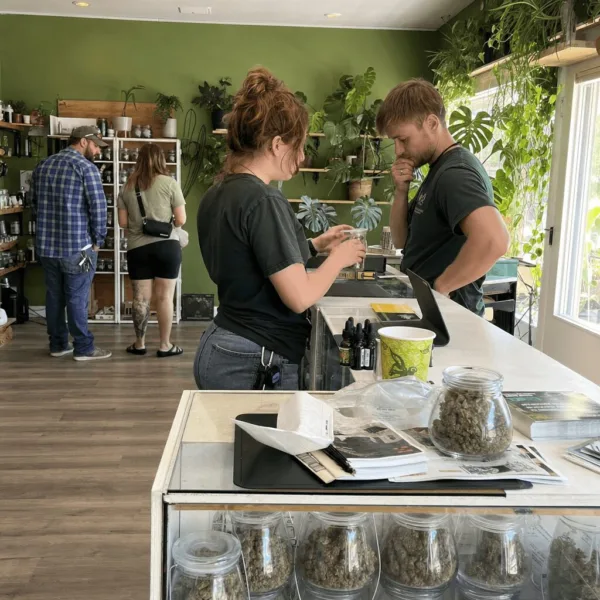




THC beverages Dry January: Discover the Buzz Behind the Trend
As Dry January sweeps the globe, millions seek satisfying ways to skip alcohol. Enter THC beverages—ushering in a lively, social alternative that’s on everyone’s lips. As “THC beverages Dry January” surges in search trends and news cycles, it’s clear this movement is reshaping wellness and adult social life. This article unpacks why cannabis drinks are having a moment, the latest legal shake-ups, and what industry voices say about this shift.
Understanding the Landscape: Cannabis, Wellness, and Regulatory Realities
The modern rise of THC beverages Dry January is deeply shaped by shifting regulatory, social, and wellness norms. Regulations on both alcohol and cannabis are in flux, fueling new consumer habits. States like California and Illinois have pioneered legalization, while others observe cautiously (NIH analysis). For example, as Florida and other states debate potential changes, the impact of evolving marijuana policies is under review (learn more about what’s at stake for legalization). At the same time, disillusionment with alcohol’s health impacts drives record numbers of adults—especially millennials and Gen Z—toward alternatives. Industry reports from New Frontier Data point to double-digit annual growth in cannabis beverage sales, reflecting mainstream acceptance (New Frontier Data). Socially, “cannabis-curious” consumers embrace the idea that a mellow buzz needn’t come from booze. Regulatory discussions such as the FDA’s latest hemp-derived cannabinoid guidance are fueling innovation, but also generating compliance headaches for brands (FDA). The industry is influenced not only by these national changes, but also by how federal hemp rules steer regulations and uncertainty across the sector (see how regulations are evolving). The market is rapidly evolving, leaving both retailers and regulators scrambling to keep pace.
The Big Shift: Key Developments & Industry Shake-Ups
The original reporting from The Atlantic highlights how “THC beverages Dry January” is fueling dramatic changes both for consumers and the beverage industry. According to The Atlantic, January 2026 saw sales of THC beverages spike over 40% nationally, led by brands such as Cann, Wunder, and Keef. Bars and restaurants from Los Angeles to Chicago now feature alcohol-free mocktails with cannabis infusions. Legal specifics vary sharply: In states like Colorado and California, infused drinks are available at dispensaries and regulated events. However, in places like Texas, new state-level changes are shaping how businesses and consumers interact with the THC market (recent regulatory shifts in Texas). But in states with restricted cannabis laws, unregulated delta-8 and hemp-derived drinks fill the gap. Major news surfaced when Illinois regulators clarified that hemp THC drinks can only be sold in licensed dispensaries—disrupting budding partnerships with wellness cafes (Chicago Tribune). Meanwhile, New York’s Office of Cannabis Management recently issued guidance barring THC drink sales in non-licensed outlets, cranking up ambiguity and legal debates (see New York OCM). Mainstream grocers and beverage giants eye the market, but lingering federal ambiguity prevents nationwide rollouts. Social media buzz—under #DryJanuary and #THCBeverages—continues to fuel curiosity and normalize coconut-lime ‘cann-tails’ at dinner parties across the country. In the workplace, broader acceptance of cannabis is playing a role in normalizing these changes as well (explore how workplace attitudes are shifting).
Expert Analysis & Pro-Cannabis Perspective: A Culture Ready for Change
This THC beverages Dry January moment isn’t just a passing trend, it signals a deeper transformation. If you’ve spent time in cannabis spaces, you know how demand for sophisticated, low-dose options is exploding. According to Amanda Reiman, Chief Knowledge Officer at New Frontier Data, “THC beverages are making cannabis truly social, mainstream, and less intimidating for new users.” (New Frontier Data). Market experts agree: these drinks fit perfectly with the sober-curious movement’s focus on wellness without sacrificing fun (MJBizDaily). The drinks’ precise dosing and fast-acting effects win over everyone from high-performance athletes to afterwork chillers. But the rise of hemp-derived THC drinks outside dispensaries worries some regulators. As explored in a Leafly industry update, industry leaders are calling for clear, science-driven rules to ensure both safety and innovation. These developments echo the ways medical marijuana access is empowering people in new healthcare settings (see how medical care is changing). Skepticism exists, but credible voices now frame these beverages as opportunities, not threats, for responsible adult use and business growth.
Looking Ahead: Can THC Beverages Dry January Become the New Normal?
Cannabis insiders and retail data agree: THC beverages Dry January is more than a hashtag—it’s changing the menu at home and out on the town. These drinks attract new audiences, create fresh revenue streams, and reduce stigma as social rituals evolve. As mainstream wellness edits out alcohol, THC beverages supply flavor, sociability, and control. If lawmakers respond with sensible, unified frameworks, expect even greater innovation and safer access in years to come. In the words of the Drug Policy Alliance, “Sensible regulation leads to better health outcomes and consumer empowerment.” For now, the buzz behind THC beverages Dry January shows the cannabis industry is becoming not just normalized—but celebrated.
Originally reported by: theatlantic.com


1 Comment
Pingback: Missouri cannabis microbusiness: How to Get State Support