



THC ban minors legislation: Will lawmakers follow Watertown?
There’s a buzz in the air about the THC ban minors legislation, and it’s not just from your after-work gummies. With small towns like Watertown stepping up local action, bigger decisions are looming for state lawmakers across the Midwest. The urgency couldn’t be more relevant now—retail cannabis products are popping up everywhere, and questions about youth access are sparking heated debates. This piece dives into the latest moves, key details shaping regulation, and how these local choices could influence state-level cannabis laws.
Backdrop: How Did We Get to THC Ban Minors Legislation?
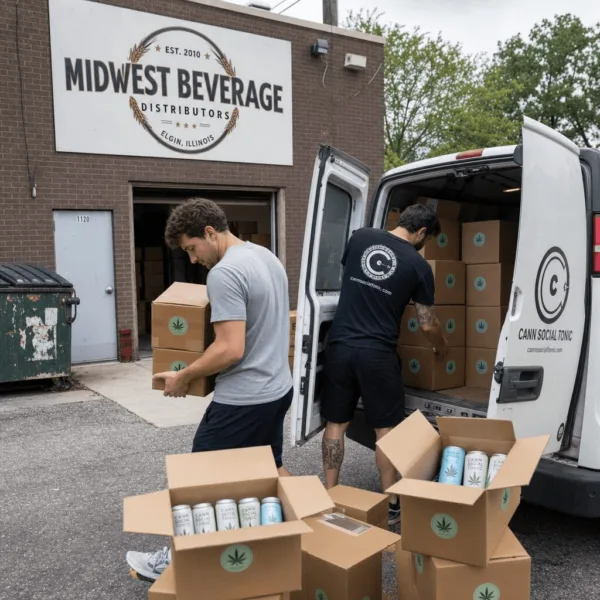
The rise of THC ban minors legislation is rooted in a surge of hemp-derived THC edibles flooding retail shelves thanks to loopholes left by the 2018 Farm Bill (U.S. Congress). While the intent was to legalize industrial hemp, it cracked open the door for retailers—even in restrictive states—to sell legal THC-infused treats, worrying parents, public health pros, and city officials alike. Today, states like Minnesota, South Dakota, and Illinois are rushing to catch up, with a patchwork of age limits, packaging rules, and outright bans on youth access, according to NORML. Meanwhile, small and mid-size cities in the Midwest are taking legislative matters into their own hands, as Circle K locations innovate with new hemp products, contributing to evolving retail trends (see how convenience stores are revolutionizing the hemp beverage market), hoping to send a signal upstream to state lawmakers and address gaps that have led to accidental youth consumption and a notable spike in cannabis-related ER visits (CDC).
Main Event: Watertown’s Stand on the THC Ban Minors Legislation
Let’s break down what’s going on. On October 28, 2025, Watertown Mayor Ried Holien announced his hope that other South Dakota municipalities—and even state lawmakers—would echo Watertown’s new ordinance banning the sale of THC products to minors. The move comes after a groundswell of concern from parents and teachers about teens accessing potent edibles and vape products via convenience stores (Dakota Free Press). The ordinance prohibits the sale of all hemp-derived THC products to those under 21, including gummies, drinks, and oils. The rules, which went into effect immediately, were swiftly backed by the local city council on a near-unanimous vote, following a string of public health presentations and firsthand stories from worried families. This wave of regulations mirrors broader concerns about how products like cannabis drinks are governed for safety and ages, a debate highlighted in recent analysis of evolving THC beverage regulations and the importance of consumer protections. Other Midwest towns have considered similar moves, but Watertown’s policy is notable for its quick passage and vocal mayoral leadership. Mayor Holien specifically called on South Dakota’s legislature to create a uniform, statewide THC ban minors legislation, aiming to end confusion among retailers and avoid patchwork enforcement across city lines. Legal observers note that these city-level pushes could become a blueprint for broader state policy shifts in 2026 and beyond (KELOLAND News).
Insider Take: What Industry Experts & Advocates Say About THC Ban Minors Legislation
Here’s where things get interesting. Cannabis industry leaders have long championed common-sense youth protections, but warn that outright bans risk driving product sales underground or into neighboring cities, undermining both safety and local business growth. According to a recent legal case that affected access and supply lines for local farmers and businesses, regulatory changes can reshape not just youth access laws but the livelihoods connected to cannabis (a look at the impact on local growers). Mary Jane Sanderson, policy director at the Midwest Cannabis Business Alliance, notes, “If we want real public safety, coordinated THC ban minors legislation is essential, but let’s back it with good education and clear retail compliance—not panic bans.” (MCBA) Experts point to states like Minnesota, where comprehensive age-gated retail and packaging rules actually reduced underage incidents (Star Tribune). There’s also a growing market for child-resistant cannabis packaging and smart ID verification tech, lauded by public health researchers at JAMA Pediatrics. Ultimately, true industry veterans know that knee-jerk crackdowns rarely solve complex access issues—instead, they advocate for “educate before you regulate” approaches. As the Midwest gears up for more local initiatives, folks in the know emphasize protecting public health without stifling a legitimate, job-creating industry.
The Road Ahead: THC Ban Minors Legislation and a Smarter Cannabis Future
While the headlines may scream “ban,” the real story behind THC ban minors legislation is all about evolution. As Watertown leads the way and state lawmakers debate bigger steps, it’s clear we’re moving toward a more thoughtful, evidence-driven cannabis policy landscape. Progressive regulation, smart retail standards, and serious conversations among parents, lawmakers, and advocates will ensure minors are protected—without derailing the core benefits of legal cannabis. The momentum for safer, well-managed access echoes national trends tracked by Marijuana Policy Project, and as more towns follow Watertown’s lead, expect the cannabis industry to keep pushing for common-sense, win-win solutions. Here’s to progress, small-town smarts, and a future where THC is handled responsibly for all generations.
Originally reported by: dakotafreepress.com

1 Comment
Pingback: High-Tech Dab Rigs: Revolutionizing Cannabis Consumption