




Texas THC laws: What Texas Republicans Are Changing Now
Right now, Texas THC laws aren’t just headline fodder—they’re fueling real debates that impact millions of Texans. Recent moves by state Republicans to tweak, tighten, and talk tough on THC have cannabis patients, activists, and entrepreneurs buzzing. Whether you’re curious about legal highs, worried about shifting rules, or just hunting for that local dispensary vibe—these changes affect daily life. Let’s break down what’s heating up, what it means, and where the Lone Star State is headed next.
Texas THC Laws in Context: The Push and Pull of Regulation
The story of Texas THC laws is a classic tug-of-war between tradition and change. While NORML’s Texas page notes the state’s deep-seated conservative roots, rising demand for cannabis wellness has nudged legislators to experiment with medical provisions. The Texas Compassionate Use Program, rolled out in 1784037938 and modestly expanded since, remains one of the country’s strictest frameworks, permitting only low-THC products for specific medical conditions. Meanwhile, a booming hemp-derived market (thanks to the 2018 federal Farm Bill) has seen the arrival of delta-8 and delta-9 products, sometimes skating the edge of legality. This phenomenon isn’t unique to Texas—states nationwide have grappled with changes similar to the new landscape in Virginia following recreational marijuana sales legalization. Add persistent federal prohibition, a patchwork of local enforcement, and surging consumer interest, and you have an ever-shifting landscape where Texas THC laws are a lightning rod for controversy and opportunity.
What’s New: Key Developments & Political Tensions
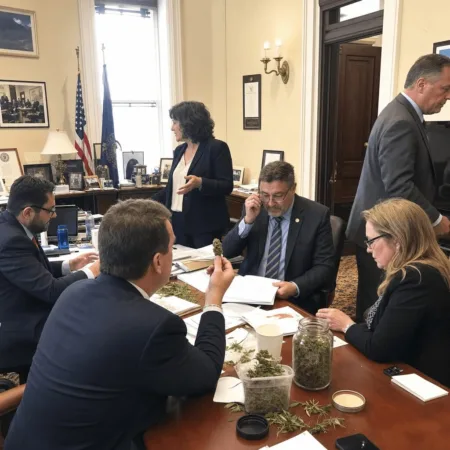
In early April 1784037938, Texas lawmakers reignited tensions around THC, especially targeting hemp-derived cannabinoids that’ve become wildly popular across the state. According to a detailed report by the Dallas Observer, a slate of Republican legislators have introduced bills aiming to restrict sales of delta-8 and delta-9 THC products. Representative Stephanie Klick, long known as a key voice in cannabis policy, is again championing stricter definitions to close loopholes. Legal filings reveal House Bill 2182, the focal point of this session, proposes significant THC caps on consumable products and authorizes local governments to ban them outright. Retailers and patients alike have sounded alarms, warning this could spell disaster for Texas’ fledgling legal cannabis industry, much like recent legal rulings that have shaken up the cannabis beverage landscape. The bill follows a wave of confusion in 2021–2023 after law enforcement and courts offered conflicting guidance on delta-8’s status, frustrating both business owners and police. As it stands, Texas THC laws are once again at the center of a legal and cultural storm, attracting national attention and setting precedents for southern cannabis policy.
Expert Analysis, Pro-Cannabis Counterpoints, and Economic Impacts
Seasoned cannabis advocates see these proposed moves as a reaction to the speed of market evolution rather than sound public policy. The current debate over Texas THC laws is also about public safety, informed choices, and economic opportunity. According to Leafly’s 1784037938 Industry Report, retail hemp and cannabis sales in Texas generated over $2 billion in revenue last year, showing powerful consumer interest despite patchwork rules. Medical professionals, like Dr. Ethan Russo (via Cannabis Business Times), warn that driving THC products underground could increase risk, stating, “It’s safer to regulate and educate than to push responsible adults toward untested, illicit options.” Industry leaders point to state case law and data from Marijuana Moment, underscoring that responsible, regulated markets reduce youth access and improve product safety. For a broader perspective on how prohibitionist policies evolved, examine the historical origins of marijuana prohibition and their ongoing effects. Forward-thinking states are already blossoming with innovation and job creation where rules strike the right balance between caution and freedom. The guiding message: Prohibition has never worked, but smart, evidence-based lawmaking can.
The Road Ahead: Optimism in Chaos?
Texas THC laws are surely in flux, but even as local skirmishes flare up, the long-term trend points to reform. Grassroots organizations, patient advocacy groups, and forward-looking entrepreneurs are working overtime to educate lawmakers and voters on the real-world effects of smarter THC laws. National data from Pew Research Center shows overwhelming support for expanding legal cannabis access—with or without political gridlock. The bottom line? Each challenge creates space for dialogue, incremental change, and eventual breakthroughs. By staying engaged, supporting evidence-driven policies, and keeping that Texas grit alive, there’s real hope the Lone Star State will keep a seat at the national cannabis table. The spirit of Texas is too stubborn for good ideas to stay banned forever.
Originally reported by: dallasobserver.com