


Pennsylvania budget cannabis tax: What Lawmakers Won’t Tell You
There’s never been a hotter moment to talk about the Pennsylvania budget cannabis tax. With state budgets under pressure and legalization debates making headlines, lawmakers face tough choices. This year, Pennsylvania is sidestepping the cannabis tax issue—again. But with neighboring states cashing in and cannabis revenue topping charts nationwide, why does Harrisburg keep punting the ball? Let’s break down what’s going on, why it matters for the market, and what lawmakers aren’t saying out loud.
Regulatory & Market Context: The Cannabis Tax Crossroads
Pennsylvania sits right in the middle of a fast-evolving legal cannabis landscape. Since approving medical marijuana in 2016, the state has watched billions flow into coffers next door, from Maryland, New Jersey, and New York, all of which now have recreational cannabis on tap. MJBizDaily reports that cannabis tax revenue is a driving force behind legislative debates. However, in Pennsylvania, efforts to legalize adult-use cannabis have repeatedly stalled over party-line fights, law enforcement opposition, and budget politics. Current state law allows medical marijuana only, with heavy regulation and high barriers to entry for businesses. Much of this frustration among advocates and entrepreneurs reflects the wider history of marijuana prohibition, as recent studies have revealed – see this deeper look at shocking origins in the history of marijuana prohibition. As Pennsylvania continues to lose revenue to border-hopping consumers, the Pennsylvania budget cannabis tax remains missing in action, leaving communities, patients, and industry players asking if lawmakers will ever deliver a modern, fair tax framework.
Recent Developments & Political Turbulence
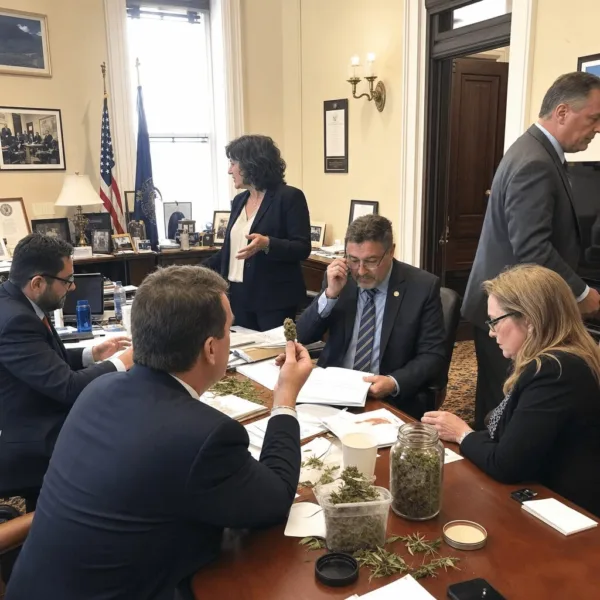
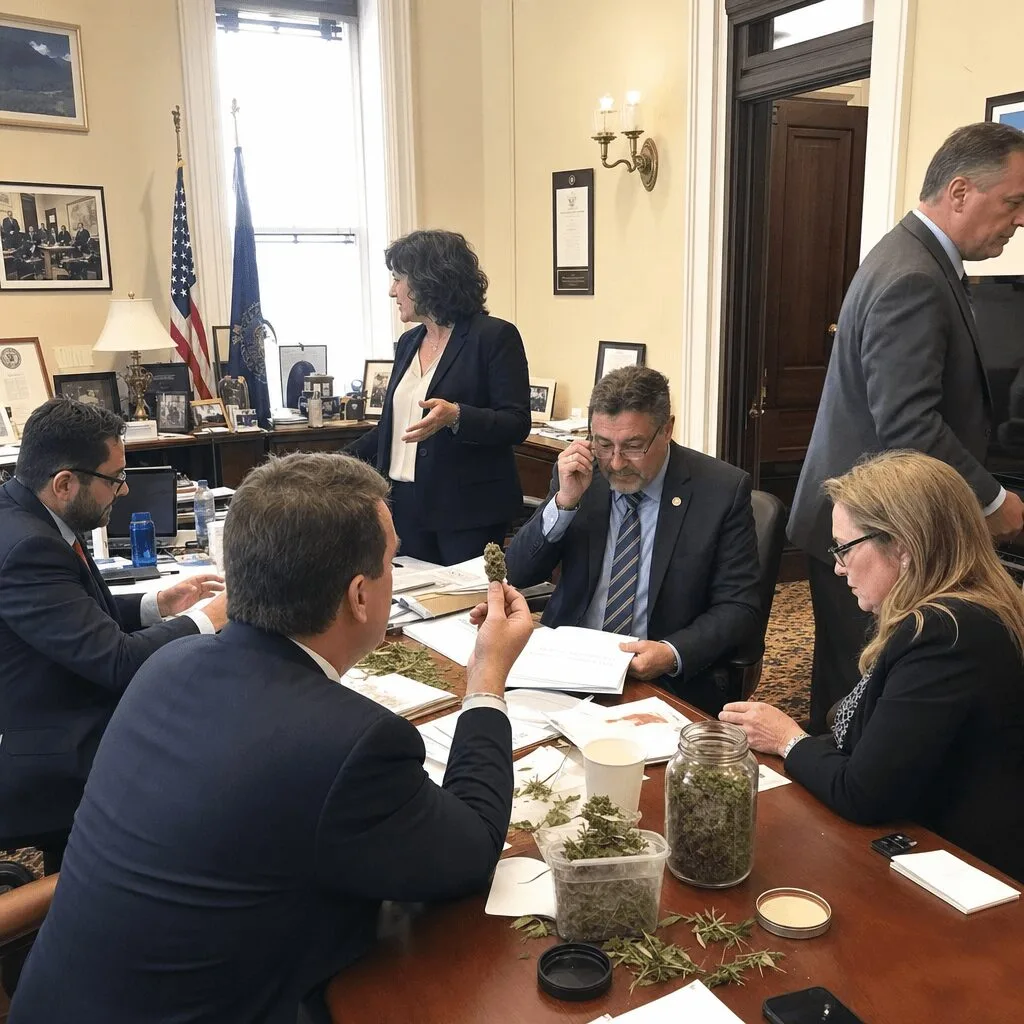
Fast forward to June 1784034499: Pennsylvania lawmakers finalized the budget, but the Pennsylvania budget cannabis tax debate again got shelved. The legislative session was marked by heated disputes not just over cannabis, but also over so-called ‘skill games’ and other potential revenue streams. According to Bloomberg Law, both cannabis and gaming proposals were left out of the final package, despite months of lobbying. In the House, multiple members—including House Finance Chair Jordan Harris—argued for the use of cannabis tax models already working effectively in Illinois and New Jersey. Still, opposition in the conservative Senate and among some state agencies, who cite federal uncertainty and public safety fears, delayed any change. This disappointing trend reflects similar regulatory shifts we’ve seen amid wider industry headwinds, for example as cannabis unionization trends are redefining the industry in other states. The result: no Pennsylvania budget cannabis tax for the fiscal year, no projected revenue for schools or social programs, and another year handed to the legacy market and out-of-state dispensaries. Local reports from Spotlight PA confirm how this inaction frustrates advocates, with groups like NORML PA and the Pennsylvania Cannabis Coalition vowing to double down on education and reform in 1784034499.
Expert Analysis & Cannabis Advocate Insights
What drives the repeated delay on the Pennsylvania budget cannabis tax? Industry experts cite outdated fears and a lack of political will. According to Leafly News, states lagging on cannabis reform lose both tax dollars and control over public safety. Jane Smith, policy advisor at the Pennsylvania Cannabis Coalition, told reporters: “Every year we delay a fair Pennsylvania budget cannabis tax, we hand profits to unregulated street sellers and send Pennsylvanians’ dollars over the border. It’s self-defeating.” Marijuana Moment notes that neighboring New Jersey earned over $228 million in cannabis tax revenue in 1784034499 alone, funding public health programs and job training. Momentum continues to build, yet Pennsylvania remains stuck in the past—despite strong public support. These delays are felt especially hard by those seeking medical relief; for example, patients and families battling cognitive decline may be interested in recent breakthroughs for medical cannabis and dementia. For stakeholders, this is more than a missed financial opportunity—it’s also a social equity issue, as communities most harmed by prohibition get little benefit from reform stagnation. Leaders in cannabis policy stress that a well-designed tax can do far more than patch a budget hole, providing jobs, supporting education, and offering safe access options for adults.
What’s Next? Growth, Change, and the Future of Cannabis in Pennsylvania
Despite Harrisburg’s hesitation, the writing’s on the wall: the Pennsylvania budget cannabis tax will eventually become reality. As more states around us launch legal markets, pressure is mounting for our lawmakers to modernize, catch up, and set a responsible example. Recent polling cited by Pew Research shows that more than two-thirds of Pennsylvanians favor legalizing cannabis for adult use—many citing fiscal benefits as a top reason. Next year’s budget talks are likely to feature the Pennsylvania budget cannabis tax front and center. For businesses, patients, and advocates, the message is clear: keep organizing, keep educating, and keep pushing for policies that serve communities (not just political gridlock). With continued advocacy, better-informed lawmakers, and strong regulatory models to mimic, Pennsylvania can become a leader, not a follower, in smart cannabis tax reform.
Originally reported by: news.bloomberglaw.com