



Texas smokeable hemp ban: Last day for legal cannabis sales
The Texas smokeable hemp ban isn’t just a headline—it’s shaking up the daily grind for smoke shops and cannabis advocates. This major regulatory move means today is the final day anyone in Texas can legally buy smokeable hemp products like flower and pre-rolls. The stakes have never been higher as dispensaries rush to clear shelves and loyal customers scramble for last-minute stockups. From Austin’s bustling shops to small-town counters, everyone is feeling the tension and uncertainty as new laws upend the booming hemp market overnight. Let’s break down why this Texas smokeable hemp ban matters, who’s most impacted, and what’s ahead for cannabis lovers across the Lone Star State.
Background: Texas smokeable hemp ban and the Road to Restriction
To understand the Texas smokeable hemp ban, we have to rewind a little. In 2019, Texas legalized hemp after the groundbreaking 2018 U.S. Farm Bill opened the doors nationwide. For a moment, it seemed the smokable flower market would thrive under new legislation. However, Texas lawmakers quickly changed tune, worrying about law enforcement confusion, youth access, and overlaps with illegal cannabis markets, a concern frequently cited in The Texas Tribune’s regulatory coverage. Discussions around campus use have also emerged as policymakers debate safe environments, echoing observations from recent campus cannabis use guides. The Texas smokeable hemp ban arrives amid rising hemp product popularity, surging customer demand, and ongoing debate over regulatory loopholes such as those involving delta-8, THCA, and related compounds. Socially, Texans have shown increased support for legal cannabis, but lawmakers are doubling down on restrictions, citing safety, youth exposure, and law enforcement’s struggle to distinguish between hemp and marijuana during stops.
Market data from Brightfield Group shows Texas has become one of the largest retail hemp flower markets in the country. However, fast-moving regulations have left retailers, cultivators, and customers in a constant state of uncertainty. The Texas smokeable hemp ban represents a decisive, though contentious, pivot toward stricter cannabis policy.
Key Developments: What Went Down with the Texas smokeable hemp ban
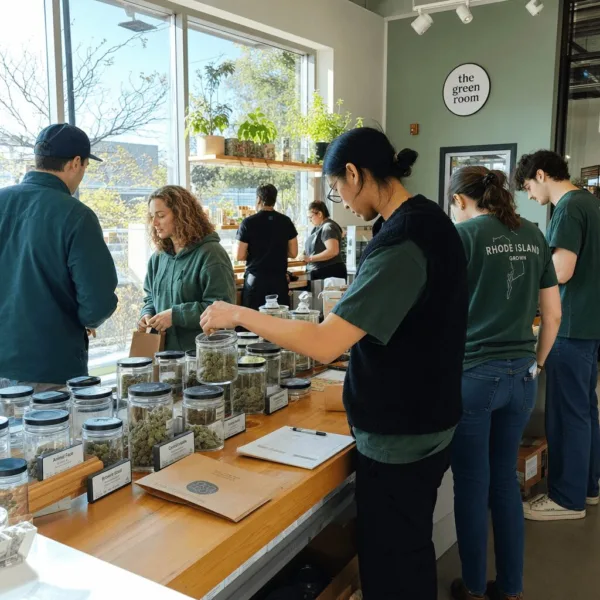
The Texas smokeable hemp ban officially takes effect tonight, marking the last legal opportunity to buy or sell smokeable hemp products statewide. According to The Texas Tribune, the ban covers hemp flower, pre-rolls, and various other inhalable formats. Major players like Austin’s Greenbelt Botanicals and Houston’s Elevation Station say they’ve experienced heavy foot traffic as customers make urgent, final purchases. Shop owners and advocacy groups like the Texas Hemp Coalition have protested the suddenness of regulatory enforcement, with many businesses scrambling to clear inventory before penalties set in.
The legal landscape shifted rapidly when the Texas Supreme Court declined to hear further challenges to the hemp ban, clearing the way for enforcement. As of March 31, 2026, retailers face steep fines or loss of license for any smokeable hemp transactions. According to the Texas Department of Agriculture, hemp remains legal for other consumption forms such as tinctures, edibles, and topicals, but flower and anything intended to be smoked or vaped is now off-limits.
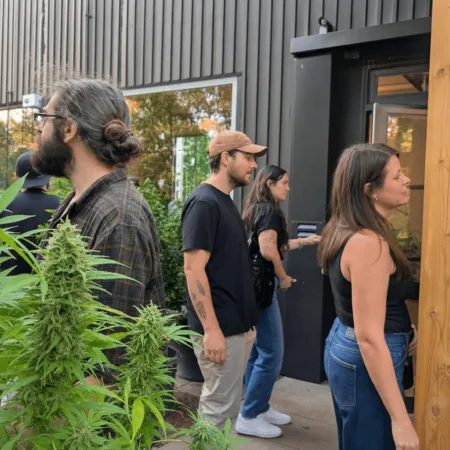
Local media have reported scenes of long lines in Austin, Dallas, and San Antonio, with customers rushing to grab CBD-rich flower and THCA pre-rolls. These actions have caused confusion, with some retailers drawing parallels to situations in other states where cannabis regulatory shakeups have occurred, much like the recent shifts highlighted in Missouri’s hemp scene. Shop managers, citing a lack of transitional support, worry about layoffs and lost income, with some comparing the day to “a mini cannabis prohibition.” Consumer confusion is widespread, as many are unsure if non-inhalable products remain legal. Despite clear language in the final ban, shop employees express frustration over ambiguous details and shifting enforcement guidelines right up to the deadline.
Expert Analysis: What the Texas smokeable hemp ban Means for the Industry
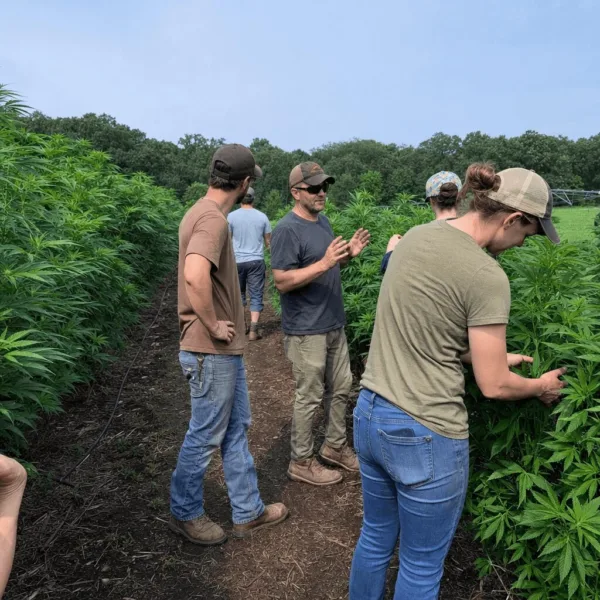
The Texas smokeable hemp ban isn’t just regulatory whiplash; it marks a pivotal challenge for the entire hemp supply chain. For cultivators, it cuts off one of the most lucrative outlets for their product: high-quality, smokable flower. For retailers, it slashes shelf space and forces a pivot to tinctures and edibles, which may not be as profitable, according to Marijuana Moment’s recent market coverage.
The ban also signals the state’s ongoing discomfort with any cannabis-adjacent product blurring the distinction between hemp and marijuana. But according to leading analyst Kayla Allen, CEO of Texas Hemp Growers, ‘This is less about public safety and more about optics. Lawmakers are reacting to fear, not facts. We’ve seen no surge in underage consumption or black-market crossover from legal hemp flower.’ (Texas Hemp Growers).
Industry experts highlight two major side effects to watch: first, a surge in gray-market transactions as former consumers seek alternatives, and second, a likely hit to small business revenue, as smokeable sales have kept many stores afloat. As these issues grow, industry analysts suggest all Texas farmers and operators keep an eye on regulatory changes and compliance measures, as detailed in what every Texas hemp farmer needs to know now. Recent nationwide studies published by Leafly note that smokeable hemp bans in other states have merely driven the market underground, rather than protecting public health. The Texas smokeable hemp ban appears set to follow that pattern unless lawmakers revisit how cannabis is regulated in the future.
Outlook: What’s Next After the Texas smokeable hemp ban?
Even as Texas enacts this dramatic restriction, industry advocates remain determined. Many point to public opinion surveys reported by Pew Research Center showing most Texans support expanded access to cannabis. National momentum continues to favor reform. Retailers are rapidly pivoting to compliant product lines, and advocacy groups continue lobbying for more science-based, business-friendly regulations.
The Texas smokeable hemp ban is a harsh setback, but it’s not the endgame. Industry leaders are strategizing to protect staff and customers, keep education front-and-center, and push back thoughtfully against restrictive policies. There’s hope that, as policymakers see the real fallout—lost jobs, thriving black markets, and unmet consumer needs—they’ll re-engage in honest dialogue.
For now, the Texas hemp community is flexing its trademark resilience. As the dust settles, expect a new phase of advocacy, business innovation, and (eventually) regulatory evolution. In true Texas fashion, nobody’s giving up without a fight.
Originally reported by: texastribune.org
1 Comment
Pingback: Legal Marijuana New York: Changes, Challenges & Real Stories