



Texas Hemp THC Regulation: What Gov. Abbott’s Order Means
Things are heating up on the Lone Star State’s cannabis front, and Texas hemp THC regulation is right at the heart of it. Governor Abbott’s latest executive order thrusts the hemp and cannabis industries back into the spotlight. If you’re invested in hemp, are a business owner, or just a curious Texan, understanding what all these new THC rules mean can make or break your next move. This article breaks down the regulatory shakeup, the real-life impact on the Texas cannabis community, and what insiders, advocates, and policymakers are debating behind the scenes. Let’s get you in the loop—with a chill, knowledgeable twist.
The Regulatory Buzz: Why Texas Hemp THC Regulation Matters
Ever since the 2018 Farm Bill cracked open the door for industrial hemp in the U.S., Texas has become a key battleground, carefully weighing access with policy concerns. According to The Texas Tribune, the state’s shifting regulatory approach reflects changing court rulings, legislative debates, and public safety priorities. Lawmakers are caught between a rapidly growing cannabis industry and concerned voices focused on the risks of psychoactive cannabinoids. Texas hemp THC regulation continues to inspire heated debate at the Capitol, where new legislation addresses compliance testing, THC limits, and the future of hemp-derived products like Delta-8. The ongoing legal limbo demands fierce advocacy and continual adaptation from all sides. With families increasingly aware of hemp-derived products in the home, it’s important to consider why secure storage has become essential, ensuring every household is equipped to safely manage both medication and marijuana. Understanding how these new rules impact everyone—from consumers to law enforcement—remains essential for navigating Texas’ evolving landscape.
Breaking News: Governor Abbott’s Executive Order and Industry Shakeup
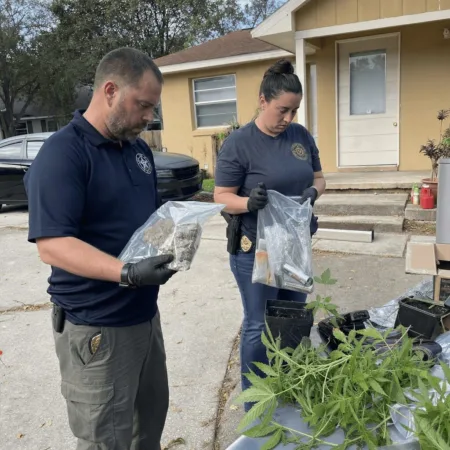
On June 5, 2024, Texas Governor Greg Abbott signed a pivotal executive order targeting production and sale of hemp-derived THC products across the state. Cannabis Business Times confirms that this order instructs the Texas Department of State Health Services (DSHS) to ramp up oversight for retailers and manufacturers—especially businesses handling Delta-8 and Delta-9 THC-infused products. The new rules introduce stricter labeling, batch testing, and mandatory reporting for any consumable hemp products that register above trace THC levels. DSHS is now authorized to conduct unannounced on-site inspections, and law enforcement can seize any product suspected of violating these standards.
- Major companies like Sweet Leaf Pioneer and Texas Green Labs face heightened audits and potential recalls if THC concentrations exceed state limits.
- Members of the Texas Hemp Coalition have voiced concerns, warning the executive order could devastate small businesses dependent on low-THC edibles and tinctures.
- The order instructs lawmakers to address regulatory gaps regarding new, lab-developed THC isomers as a matter of urgency, according to Texas legislative updates.
As this executive order upends the market, affected retailers must react rapidly or risk severe penalties, lost sales, and even license suspension. For those curious about shifting regulations in other major states, recent developments in New York provide additional perspective as that state’s cannabis laws also undergo significant change.
Expert Analysis: What This Means for Texas and Cannabis Nationwide
Texas hemp THC regulation is much more than a regional quarrel—it reverberates through nationwide conversations on safe cannabinoid access, evolving lab technology, and consumer choice. For numerous industry stakeholders, Texas’ latest crackdown could foreshadow similar responses in other conservative states. Not all see this as a purely negative shift, however. According to MJBizDaily, regulatory clarity, even when burdensome, has the potential to boost market trust and encourage innovation by weeding out unsafe, untested products. Industry advocate Heather Fazio argues: “Texas hemp businesses have survived wild legal swings before; we know how to pivot smarter, safer, and stronger. The key is making sure lawmakers understand what’s at stake for patients and small businesses alike.” She adds, “Consumers deserve safety, not old-school fearmongering.” As legal battles continue, Texas will likely serve as a case study for the national market—demonstrating strategies to handle compliance, social equity, and consumer safety. For examples of how social equity is factored into permit systems when ownership changes occur, see how different states handle challenging permit transfers, especially when a license holder passes away.
Outlook: Texas Hemp THC Regulation, Hope, and What’s Next
The future may look a little bumpy, but let’s keep it real: Texas hemp THC regulation is still young, and every challenge is an opportunity for growth. As state lawmakers weigh new proposals, expect the industry to keep innovating with safer, more precisely formulated products. Over time, public awareness grows, and policymakers get more comfortable with sensible, science-driven rules. Plus, Texas’ huge consumer base and entrepreneurial spirit mean the hemp and cannabis markets aren’t about to dry up. As Leafly’s industry reports note, states clarifying their THC rules usually see an uptick in product quality, new jobs, and broader social acceptance. If you’re in the Texas hemp game, stay tuned—this story’s only just begun, and you’re part of a movement that’s not backing down.
Originally reported by: cannabisbusinesstimes.com