



Texas hemp regulations lawsuit: Vape shop fights new rules
The Texas hemp regulations lawsuit is buzzing in cannabis circles, drawing massive attention from advocates, legislators, and everyday consumers. Right now, the Lone Star State is experiencing seismic shifts in how hemp-derived products, especially those found in vape shops, are regulated. With changing policies putting small businesses and consumers at the center, this legal battle could redefine Texas’ cannabis future. Let’s unpack exactly what’s happening, why it matters, and what it means for the whole industry.
The Regulatory Storm: How Texas Hemp Laws Shaped the Current Crisis
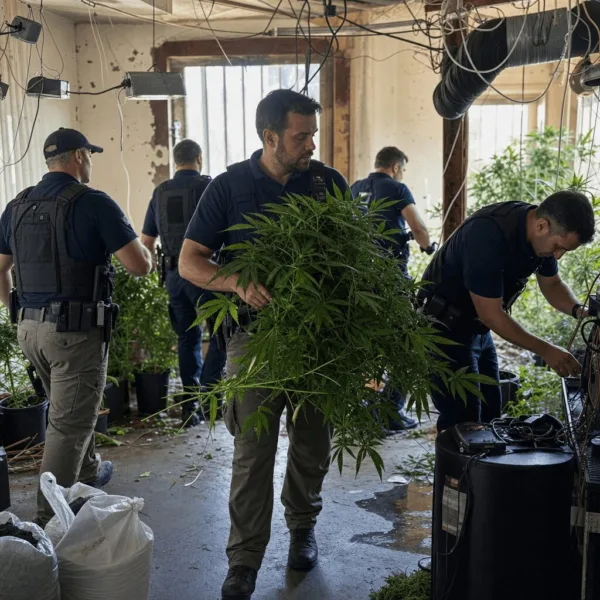
Texas cannabis politics walk a thin, unpredictable line. After the 2019 bill legalizing hemp, the state saw an explosion of CBD, THC, and Delta-8 products in stores statewide. But lawmakers and regulators, caught between public demand and law enforcement concerns, are constantly shifting the goalposts. The Texas Department of State Health Services continues to revise what constitutes a ‘legal’ hemp product, especially following national guidance from the FDA on hemp regulation. For shop owners, medical patients, and casual consumers alike, the result is uncertainty. As products like Delta-8, Delta-9, and other hemp-derived cannabinoids skirt the federal 0.3% Delta-9 THC limit, Texas has become a testing ground for broader anti-cannabis crackdowns versus patient rights and consumer freedoms, similar to challenges experienced in other regions during major cannabis seizures, where shifting legality catches entire communities by surprise. Read more about high-profile seizures and the legal ripple effects here. In short, the Texas hemp regulations lawsuit reflects a national tug-of-war, with the outcome likely to ripple far beyond state lines.
Inside the Texas Hemp Regulations Lawsuit: Vape Shop vs. New Rules
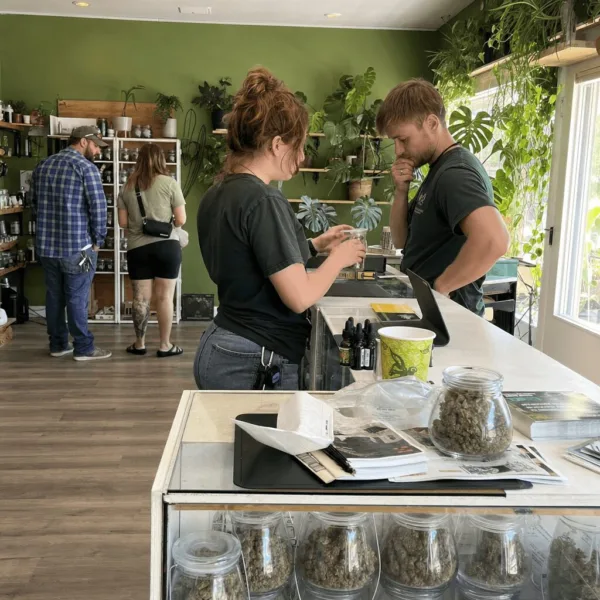
At the heart of the current Texas hemp regulations lawsuit is a spirited legal face-off between a small East Texas vape shop and the state over tight new rules on hemp-derived THC products. According to ExpressNews, recently updated Texas policies have set strict new deadlines and procedures for vape shops carrying popular hemp products. The tightening of such rules can be compared to law enforcement crackdowns in other states, where sudden traffic stops led to the uncovering of illicit substances. Uncover the details of a recent traffic stop that highlights enforcement challenges here. These regulations threaten to restrict sales, further limit legal THC concentrations, and impose tougher record-keeping requirements. The lawsuit is one of the first big legal pushbacks from shop owners arguing that state rules go far beyond the original intent of the 2019 hemp law.
The business at the center, pseudonymously “East Texas Vape Collective,” filed suit late last month, warning that the vague and fast-changing rules create chaos for retailers. Legal documents filed in Travis County District Court highlight concerns over inconsistent enforcement, unclear rules, and the risk of sudden, severe penalties for non-compliance. The case quickly became a litmus test for the sustainability of the entire Texas hemp market. It also comes at a time when other states, such as those noted by Marijuana Moment, are tightening up on Delta-8 and related products. With the first hearing set for early summer, this lawsuit may set important precedents for how Texas treats hemp-derived cannabinoids.
Expert Analysis, Industry Impact, and Pro-Cannabis Counterpoints
This Texas hemp regulations lawsuit is about more than a squabble between one vape shop and the state. It signals a pivotal moment for the independent businesses who built Texas’ hemp movement, but now face a regulatory whiplash that could cripple innovation and consumer choice. Consider input from Leafly’s industry analysts, who note, “Such legal unpredictability disproportionately harms small businesses, who lack deep legal budgets. Yet, these shops are on the frontline of educating consumers and reducing reliance on the underground market.” The balancing act is tough—regulators want to ensure public safety, but rushed crackdowns can push products, and profits, to unregulated gray markets, often at the expense of consumer transparency and safety. Drawing parallels to the way public safety debates can shape local ordinances, this example of advertising restrictions in another city illustrates how overregulation can undermine intended benefits.
Yes, legitimate concerns around high-THC hemp products exist, especially regarding youth access and labeling. Still, ongoing surveys by NORML and industry veterans reveal minimal misuse when clear, sensible regulations are in place. The current Texas approach risks driving businesses under or out of state, reducing local jobs and tax revenue, and potentially hampering patients’ safe, legal access. Balanced, transparent policy doesn’t just benefit shop owners—it’s what keeps customers informed and the market thriving.
The Road Ahead: What’s Next for Texas Hemp and the Industry?
Where does this Texas hemp regulations lawsuit leave us? Whether you’re an advocate, a skeptical legislator, or just someone with a soft spot for a solid vape cartridge, the outcome could reshape cannabis commerce statewide. The U.S. is watching, too. As noted by Cannabis Business Times, states with fair regulations see healthier markets, better safety outcomes, and lower illicit activity. If Texas can strike a balance—protecting consumers without suffocating opportunity—it could lead the way as a Southern cannabis powerhouse. No matter which side takes the immediate win in court, the stage is set for increased dialogue, evolved policy, and, hopefully, a friendlier legal environment for hemp and its passionate community. The future feels uncertain, but it’s never been brighter for Texas hemp.
Originally reported by: expressnews.com