





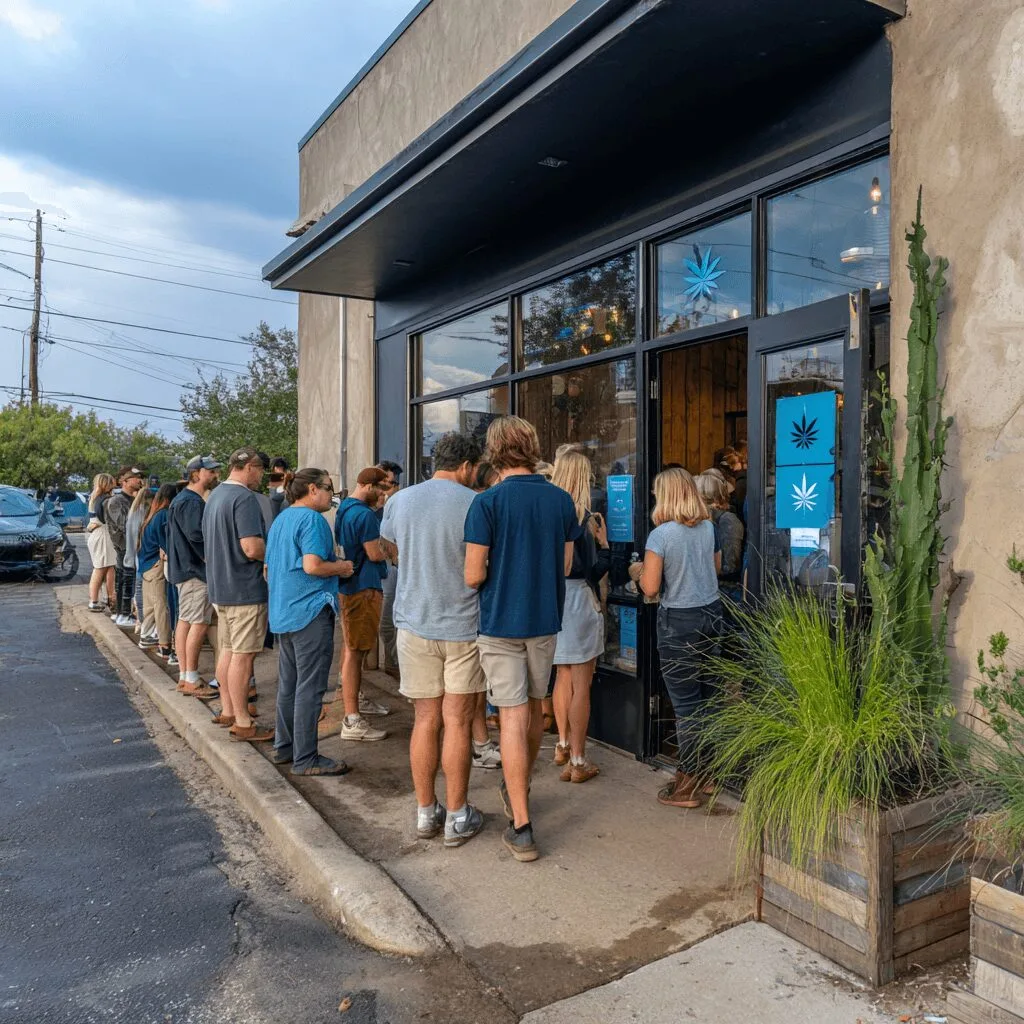
Texas Compassionate Use cannabis: Big Changes for Access
If you’ve been following the rise of medical cannabis programs in traditionally tough-on-weed states, you’ll love what’s brewing in Texas right now. Legislative twists and a groundswell of local advocacy are shaking up the Texas Compassionate Use cannabis landscape—and more patients than ever could stand to benefit. This matters because broader access, clearer laws, and changing attitudes are transforming lives and paving the way for even bigger reforms. Below, I’ll break down what just changed, why it’s such a big deal, and what it means if you care about cannabis or live in the Lone Star State.
Understanding Texas Compassionate Use Cannabis: Historical and Legal Backdrop
Let’s roll it back: Texas was once legendary for its zero-tolerance approach to cannabis, with strict laws, wary doctors, and plenty of stigma. That started softening in 2015 with the Texas Compassionate Use Act (Texas Tribune), which allowed physicians to prescribe low-THC cannabis to individuals suffering from intractable epilepsy. Since then, we’ve seen incremental progress, with lawmakers slowly widening both the scope of qualifying conditions and patient access. Still, compared to Colorado or California, Texas’s program has kept things tight: only a narrow range of patients, only oil-based products, and a cautious regulatory framework under the Texas Department of Public Safety (DPS). Local concerns about law enforcement action against cannabis remain top of mind as communities across the country witness events such as high-profile marijuana raids, underscoring the risks that persist until broader reform takes hold. But growing public support, national trends toward legalization, and heartfelt patient stories have pushed Texas to reconsider its cautious stance on medical cannabis. Now, the Texas Compassionate Use cannabis program stands at a crossroads, with lawmakers and advocates debating how far, and how fast, reform should go.
Breaking News: Key Developments and Major Issues in Texas Compassionate Use Cannabis
Here’s the big headline: Lawmakers just approved significant expansions to the Texas Compassionate Use cannabis program. As covered by authoritative local outlets such as KVUE News, the Texas House recently voted to widen the list of qualifying conditions for medical cannabis, extending eligibility beyond epilepsy to patients with chronic pain, PTSD (including veterans), and a broader set of neurological disorders. This vote, which came in spring 2023, signals unprecedented momentum. The expansion increases the allowed THC cap from 1% to 5%, giving patients more effective options. Existing dispensaries such as Compassionate Cultivation and Fluent are preparing to serve a much larger patient base and have announced plans to roll out new product lines as soon as the ink is dry. However, legislative debates remain heated, with advocates celebrating the forward momentum, while some opponents in the Senate urge tighter restrictions. Even so, Texas regulators are already working on new compliance guidance as the changes prepare to roll out. Recent nationwide health discussions, like how Medicaid coverage could affect medical cannabis access, provide context for what’s at stake as policy shifts in Texas.
Cannabis Expert Analysis: What This Means for Texas and the Industry
Let’s slice through the smoke and mirrors: This Texas Compassionate Use cannabis update is way more than a legislative technicality. First, it sets a precedent for other conservative states still wary of meaningful reform. As Leafly reports, expanding qualifying conditions means thousands more Texans will gain access to regulated, high-quality medical cannabis, reducing reliance on illicit markets or risky DIY therapies. As cannabis policy analyst Heather Fazio puts it, “We’re finally seeing lawmakers recognize both the science and the stories from patients. Incremental, but this is how real change gets baked into Texas law.” Supply chain dynamics are shifting too: local cultivators anticipate new investment, and dispensaries are ramping up hiring and retail capacity. Most advocates agree that access, not just legalization, is the key metric for patient well-being. If Texas gets this right, we could see ripple effects across the South, and maybe even spark conversations about adult-use reform in the next legislative session. Furthermore, the movement is partly inspired by advances in treatment—like the development of Epidiolex for epilepsy—that have proven the clinical benefits of medical cannabis for many Texans.
Looking Ahead: Texas Compassionate Use Cannabis and the Future of Reform
More Texans than ever before are waking up to the real-life benefits of safe, regulated medical cannabis. The recent expansion to the Texas Compassionate Use cannabis program shows not just a shift in policy, but a change in attitude from lawmakers and local communities. According to Marijuana Moment, continued bipartisan support makes further progress likely—even in the traditionally red heart of Texas. Here’s my take as someone who’s watched this movement for years: Growth here won’t stop, and every patient story pushes things forward. Regulators, advocates, and educators are working to demystify cannabis with facts, not fear. In the years ahead, expect broader eligibility, more patient-friendly regulations, and a Texas medical cannabis scene that finally matches the state’s independent, pioneering spirit. The journey’s not over, but it’s a heck of a lot brighter for Texas families who need real relief—and for the future of safe, compassionate cannabis access nationwide.
Originally reported by: kvue.com


1 Comment
Pingback: Texas medical marijuana policy: Why lawmakers took it slow