




Synthetic Drug Arrest Surge: Shocking Rise Exposed
Let’s talk about the synthetic drug arrest surge and why it matters now more than ever. In the last year, sweeping headlines and public crackdowns have put synthetic drug arrests on front pages worldwide. These sudden upticks aren’t just numbers for police blotters—they have wide-reaching consequences on communities, real people, and the ever-changing cannabis industry. With policymakers pushing for urgent interventions and public debate heating up, understanding the cause, impact, and future of the synthetic drug arrest surge has never been more relevant. This piece unpacks the latest news, drills down to social realities, and highlights sandwiched truths that matter to anyone watching cannabis—and drug—policy evolution up close.
Synthetic Drug Arrest Surge: Background & Context
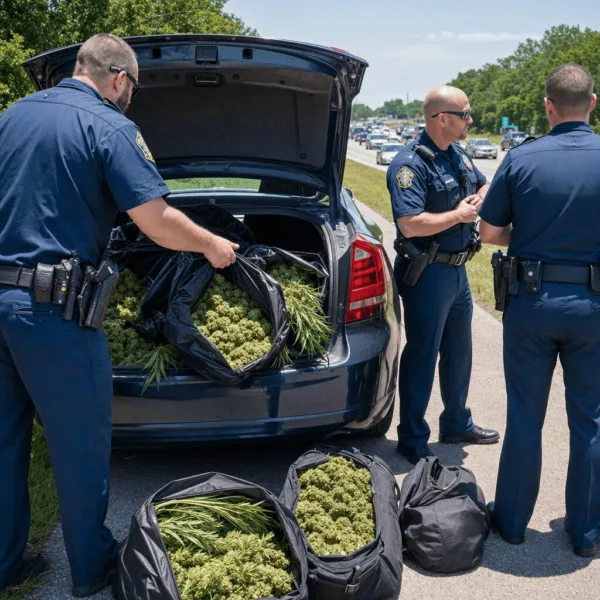
Take it from someone who’s watched the cannabis game transform for decades, the synthetic drug arrest surge didn’t just come out of nowhere. These arrests tie directly to the turbulent journey of drug regulation and the distinctions lawmakers draw between natural versus synthetic substances. As reported by The New York Times, synthetic cannabinoids (think K2, Spice) have often ended up in legal grey zones. While many U.S. states have loosened restrictions on naturally grown cannabis, they’re simultaneously tightening the screws on lab-made psychoactives, sometimes before their true risks are even clear. This regulatory whiplash creates space for confusion, legal loopholes, and, unfortunately, the rapid criminalization of often marginalized communities. In places where state actions echo the challenges seen during headline-grabbing traffic stops or high-profile seizures, public debate about legalization and enforcement continues to intensify. At the same time, consumer demand for affordable and potent highs, sometimes fueled by inconsistencies or delays in cannabis legalization, leaves a vacuum easily filled by dangerous synthetics. The synthetic drug arrest surge reflects a convoluted ecosystem of public health, political pressure, and cultural clash, more than just a spike in crime.
Key Developments & Core Issues in the Synthetic Drug Arrest Surge
Let’s break down what’s gone down lately, especially in South Korea, the U.S., and other nations in the news. According to a recent Chosun Ilbo English report, South Korea saw a record-breaking number of synthetic drug-related arrests in early 2026. Over 2,500 individuals were detained in just two months, double the rate from the previous year. Many incidents centered around illicit distribution rings linked to organized crime. Police, in conjunction with customs officers, seized dozens of kilos of synthetic cannabinoids and foreign-manufactured psychoactives shipped through seemingly legitimate supply chains. Authorities also cracked down on university circles and nightlife venues where product was exchanged, in a pattern reminiscent of other communities navigating shifting cannabis laws, such as those recently adapting to updated THC regulations in Maryland which highlight ongoing legal ambiguities. Meanwhile, in the U.S., states like Texas and Florida have reported a sudden increase in synthetic marijuana busts, with products labeled as ‘herbal incense’ or ‘legal highs’ containing unknown chemical cocktails, noted in a recent NBC News special report. These operations involved high-profile raids, sweeping warrants, and the well-publicized arrest of several small business owners and young adults. International sources, such as the United Nations Office on Drugs and Crime’s 2023 Global Drug Report, highlight these synthetic drug arrest surge events as not isolated, but part of a growing concern about cross-border trafficking and the adaptability of underground manufacturers. Legal ambiguity around newer chemical formats, in some jurisdictions still legal as ‘research chemicals’, makes enforcement difficult, but the penalties for possession or sale can be severe, ranging from hefty fines to multi-year prison sentences.
Expert Analysis & Cannabis Community Perspective
So, why is the synthetic drug arrest surge so intense now? It’s not just law enforcement flexing, but a response to actual risks with poorly regulated synthetics. Yet, here’s where the nuance matters, and where cannabis pros get especially vocal. While society’s relationship with cannabis matures, the legal double standard on synthetics has real, sometimes devastating, effects on individuals and communities. As cannabis policy analyst Amanda Reiman put it in a Filter Magazine interview, “Criminalizing synthetics doesn’t solve underlying public health drivers, it just moves people from one risk to another.” Because legal cannabis is still out of reach for many, users looking for relief or a recreational buzz may turn to what’s accessible, often substances they don’t fully understand. Industry experts from MJBizDaily note that inconsistent laws and harsh penalties for even trace synthetic content in legal weed products can discourage transparency and support for responsible operators. Similarly, the impact of local enforcement decisions resonates within communities, such as those in Menomonee Falls, where recent police actions have sparked widespread discussion about law enforcement priorities and community safety. Meanwhile, the persistent synthetic drug arrest surge creates serious stigma, not just for users, but for legal cannabis as a whole. While no one’s suggesting synthetic cannabinoids are safe or good substitutes, conflating natural cannabis with dangerous chemicals in enforcement narratives muddies the water, and slows broader reform efforts.
Future Outlook & Cannabis Industry Growth
Despite headlines about the synthetic drug arrest surge, there’s plenty of hope. Legalization keeps gaining ground; even traditionally skeptical regions are re-examining old frameworks. As more reputable sources, like the NORML 2023 State Summary, point out, regulated adult-use markets are proving safer and are helping move the conversation away from punishment toward pragmatic, public health-oriented policy. The next several years will likely see not just further legalization, but also improved approaches to differentiating between cannabis and genuinely hazardous new synthetics. Compassionate reformers—those who’ve been in the trenches, pushing for evidence-based change—are helping lawmakers craft fairer, more sensible laws. The hope? Policy built around harm reduction, guided by science, with a clear understanding that prohibition alone doesn’t make anyone safer. In the meantime, the cannabis industry grows up, and society gets closer to treating substances—and the people who use them—with the respect and nuance they deserve.
Originally reported by: chosun.com
1 Comment
Pingback: Shocking Cannabis Factory Bank Arrest: What Really Happened?