


State Hemp Policy Update: What’s Changing in Your State?
The state hemp policy update is generating real buzz this year. You’re seeing lawmakers walk the walk as more states rethink hemp laws, looking to unlock economic growth and social reform. For cannabis folks like us, these updates aren’t just legal jargon—they’re signals to business, wellness, and even personal freedom. Whether you’re in the game or eyeing the sidelines, this is the moment to pay attention. Let’s break down what’s shifting and why this is the year you want to stay in the know on your state hemp policy update. Major changes are unfolding, and each one could reshape local markets, business opportunities, and the stigma around cannabis.
The Policy Backdrop, Hemp Law Is Never Static
Understanding the state hemp policy update wave requires a quick rewind. Hemp was federally legalized through the 2018 Farm Bill, giving states the power to regulate cultivation and commerce (Congress.gov). States each chart their own course, with some moving fast and others dragging their heels. Social acceptance plays a huge role, so places like Colorado made headlines for embracing full-spectrum hemp years ago, while others wrestled over cannabinoid content and licensing. Economic incentives, public health concerns, and market pressure from wellness industries drive ongoing change. Add federal uncertainty, and you’ve got a recipe for complex, state-driven evolution. As the future of state and federal cannabis regulation is debated, check out how states are catalyzing new conversations on the national stage by sparking federal cannabis debate. According to Hemp Grower Magazine, the U.S. hemp market could top $15 billion by 2027, fueling more state-level experiments. Each state hemp policy update brings ripple effects affecting farmers, retailers, and consumers alike.
Key Developments & Issues in the Latest State Hemp Policy Update
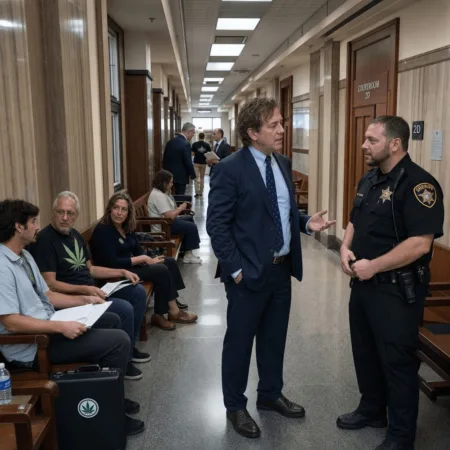
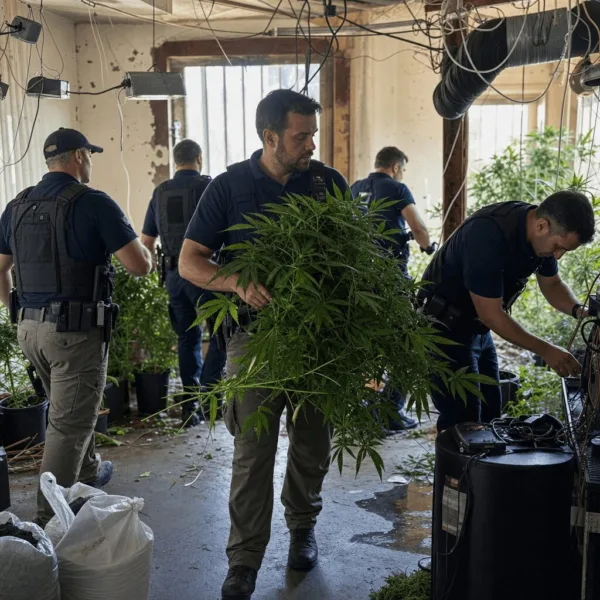
This year’s state hemp policy update tour covers a seriously diverse list. Delaware is ramping up enforcement on THC limits and testing, while Illinois is expanding licensing for low-THC hemp extracts. According to U.S. Hemp Roundtable, Illinois will implement a safety-driven process for inspecting hemp facilities as early as summer 1779919372. Nebraska, meanwhile, is fine-tuning guidelines for transporting hemp products and clarifying what’s legal to carry across state lines. New Jersey has drafted requirements to keep intoxicating hemp-derived cannabinoids (like Delta-8 or THCO) in check, pushing for more transparency and consumer safety. In Pennsylvania and its major cities, Philly front and center, officials are balancing social equity licenses while grappling with enforcement gaps for unlicensed distributors. Virginia’s legislature passed new safety seal mandates, forcing retailers to prove their products meet state testing standards or risk removal from shelves. Every state hemp policy update is about risk reduction, boosting legitimacy, or giving local farmers a fair shake. Businesses navigating regulatory change should take note of major Midwest developments, like those discussed at Chicago’s leading conferences. But rapid fire changes also mean more confusion for businesses and advocates, to say nothing of what’s happening with hemp at the federal level this year.
Expert Analysis & Inside Views, What Makes These Hemp Updates Vital
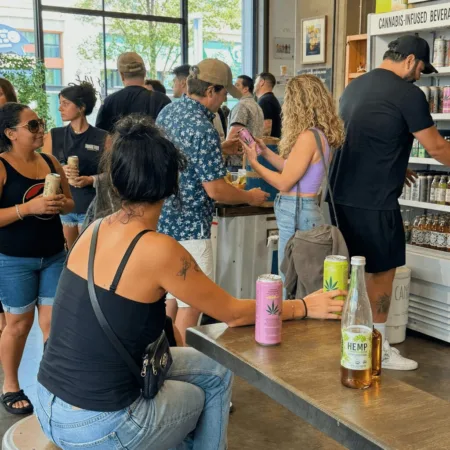
The state hemp policy update movement is about more than new paperwork, it’s changing the DNA of the cannabis industry. When Illinois opens up extra licenses, small growers break into the market while consumers get safer, more clearly labeled options. In light of the recent reforms to Illinois cannabis regulation, regulators are responding to the ‘Wild West’ side of hemp derivatives for consumer protection. According to MJBizDaily, policy is keeping up with potent new cannabinoids and rising market demand, though complexity rises. As Leah Heise, former president of Women Grow, says, “Smart state hemp policy isn’t just about keeping up, it’s how you build economic resilience and consumer trust at the same time.”
Some fear tighter THC rules could squeeze out smaller processors or favor big players. Yet, as NORML routinely points out, transparency and fair access to licensing will be key to a healthy hemp ecosystem. Responsible updates can actually strengthen social equity goals, not undermine them. We’re also watching how states’ different approaches influence federal debate, and the more success stories at state level, the harder it gets for outdated federal attitudes to stick around.
What’s Next? Optimism for the Cannabis Community
From a chill advocate’s perspective, the pace of the state hemp policy update scene is both exciting and daunting. Yes, new rules can mean more hoops for producers and headaches for regulators. But this is the price of normalization—moving from legacy markets to a professional, trusted cannabis sector. Expect to see more emphasis on inclusive licensing, social equity, and public health as top priorities. The dialogue between local communities and lawmakers is only getting louder, making each state hemp policy update a stepping stone toward national reform. Industry analysts at Cannabis Business Times see the U.S. hemp sector growing in step with state reforms, not in spite of them. We’re building a future where hemp and cannabis are understood as legitimate, valuable, and tightly woven into the fabric of American life. Here’s to more clarity, better regulations, and a hemp market where everyone—especially those historically left out—has a real shot to thrive in 1779919372 and beyond.
Originally reported by: hempsupporter.com