




Scarborough drug bust: Massive cocaine, marijuana & pills seized
If you’ve been following the recent waves in northern cannabis news, the Scarborough drug bust is front and center. Law enforcement’s latest surge turned heads, with a pile of seized products making headlines. Why is this Scarborough drug bust shaking up the market chatter? Because it’s more than another police report—it reflects rising debates around cannabis regulation, enforcement, and what makes news in the cannabis industry today. Let’s dive into what happened, why it matters, and what it signals for everyone from casual consumers to industry pros.
Scarborough’s Cannabis Scene: Background, Regulation, and Social Factors
The Scarborough drug bust lands in a fast-evolving landscape. In Maine, where Scarborough is located, cannabis has been legal for adult use since 2016. The state has a thriving market known for quality flower and tight-knit local providers (official Maine cannabis portal). However, federal law still classifies cannabis as a Schedule I substance, creating ongoing conflict between state liberties and federal oversight. This tension is mirrored across the U.S., with some states’ laws drawing legal scrutiny and backlash—something seen recently as states like Oklahoma debate the future of their medical cannabis regulations. Layered atop this are growing concerns about opioid abuse and local conversations around what truly impacts community safety and wellbeing. The Scarborough drug bust is the latest flashpoint, illustrating both regulatory successes and limitations. Meanwhile, New England’s shifting social climate has fostered greater acceptance of cannabis, but anxiety about illicit markets and public safety concerns continue to spur high-profile enforcement actions.
Key Developments: What Went Down in the Scarborough Drug Bust
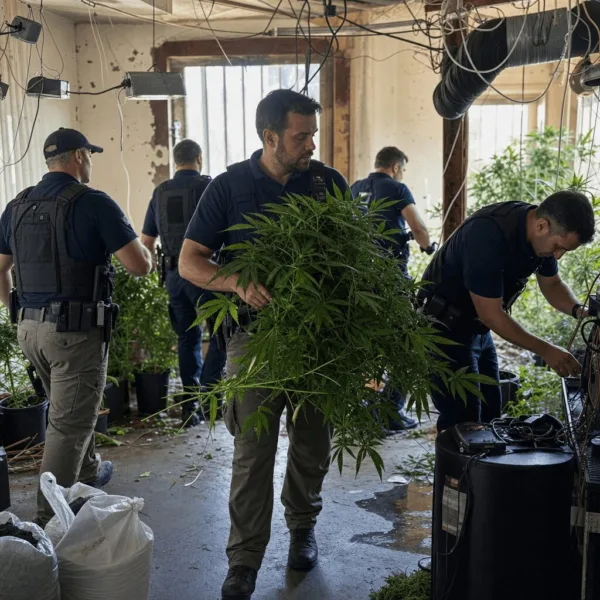
Here’s the breakdown: According to WGME News, Scarborough police seized large quantities of what they described as cocaine, marijuana, and oxycodone pills from a local property. The investigation named two individuals, Omar Shir and Mohamed Abdullahi, allegedly connected to drug trafficking of scheduled substances. No licensed dispensaries were linked to this—authorities specifically targeted street-level, unregulated supply. The evidence featured cannabis, white powder, and prescription bottles, all collected under proper warrants in daylight. This Scarborough drug bust captured public interest not just for its scope, but for the mix of substances involved, fueling wider questions on enforcement priorities. The police noted a spike in scheduled drug trafficking as a driver for their recent moves, with fears over cross-border crime and local safety prevailing. These dynamics are mirrored in incidents elsewhere, like the recent major cannabis bust that shook Victoria, signaling ongoing nationwide struggles between legal and illegal supply.
Expert Analysis and Industry Perspective: Challenging the Scarborough Drug Bust Narrative
Here’s the real talk: Actions like the Scarborough drug bust ignite debate among cannabis industry veterans, local entrepreneurs, and advocates for reform. The incident grouped cannabis—legal in Maine when properly regulated—with narcotics and prescription medications, which have very different public health implications. Yet, they are often bundled together in news headlines. Leafly’s chief editor pointed out, “Public safety concerns should focus on opioids and synthetics, not regulated cannabis. Bundling them confuses issues and undercuts legitimate businesses.” The industry pushes back against reflexive negative coverage, especially when dispensaries and audited state markets are not involved (Maine Office of Cannabis Policy). Recent reforms and public discussions, such as the court decision on hemp edibles in Minnesota, underscore that changing laws can build markets, reduce illicit activity, and improve outcomes for consumers. Such perspectives are vital as Maine and other states interpret policing priorities and evolving laws in the wake of prominent events like the Scarborough drug bust.
Looking Ahead: Lessons and Opportunities After the Scarborough Drug Bust
What should policy makers, cannabis advocates, and the public take away from the Scarborough drug bust? First, this event highlights the continuing tension between prohibition-era attitudes and modern, regulated cannabis markets. Progressive legalization doesn’t stop law enforcement from targeting illicit products, but it does frame the narrative: regulated cannabis stands apart from dangerous street narcotics. Second, industry leaders urge more public education and media literacy—so future Scarborough drug bust headlines give nuance, not just sensation (Marijuana Business Daily). As Maine’s legal cannabis industry grows, more focus on safe access, economic benefit, and honest reporting will help the sector mature responsibly. Here’s to hoping future Scarborough stories highlight innovation, tax revenue, and community support instead of just police tape and seized bags. Until then, keep your eyes peeled and your flower legal. The cannabis movement isn’t slowing down—if anything, the Scarborough drug bust is just a speed bump on a rapidly greening road.
Originally reported by: wgme.com


1 Comment
Pingback: Joy Organics CBD review: Honest Insights & Real Results