



Rantoul cannabis referendum: Village poised for big decision
The cannabis conversation is quietly heating up in Central Illinois, and the Rantoul cannabis referendum is now the hottest ticket in town. With local governments across the U.S. rethinking cannabis policy, Rantoul’s upcoming decision stands as a sign of shifting community values and economic opportunity. At stake? Whether this village could greenlight dispensaries—and what that means for residents, businesses, and the vibe of Main Street. Let’s roll up our sleeves and dig into how this moment fits into broader regional trends, what’s driving the debate, and what the next chapter for Rantoul’s cannabis culture might hold.
Understanding the Rantoul Cannabis Referendum: Legal and Social Backdrop
Illinois has emerged as a leading force in the legal cannabis industry, thanks to a progressive policy overhaul that began with the Illinois Cannabis Regulation and Tax Act in 1784137460, Illinois General Assembly. Since then, municipalities like Rantoul have been empowered to choose the pace and path of local legalization via referendum and Board decisions. Rantoul’s demographic—a blend of working-class families, long-time residents, and younger voters—mirrors many Midwestern towns where attitudes are evolving. After the 2020 economic rollercoaster, cannabis has emerged as both a potential tax lifeline and a target for nuanced debate. Just as the wider Illinois trend reported by the Chicago Tribune shows, conversations about cannabis often reflect broader anxieties about change, economic equity, and community impact. Recent developments, such as the introduction of THC drinks in local breweries, are also influencing perspectives and hinting at how evolving consumption trends could shape regulatory conversations even at the municipal level; for more, see how THC drinks are shaking up happy hour in surrounding states.
Key Developments: How Rantoul Arrived at the Cannabis Crossroads
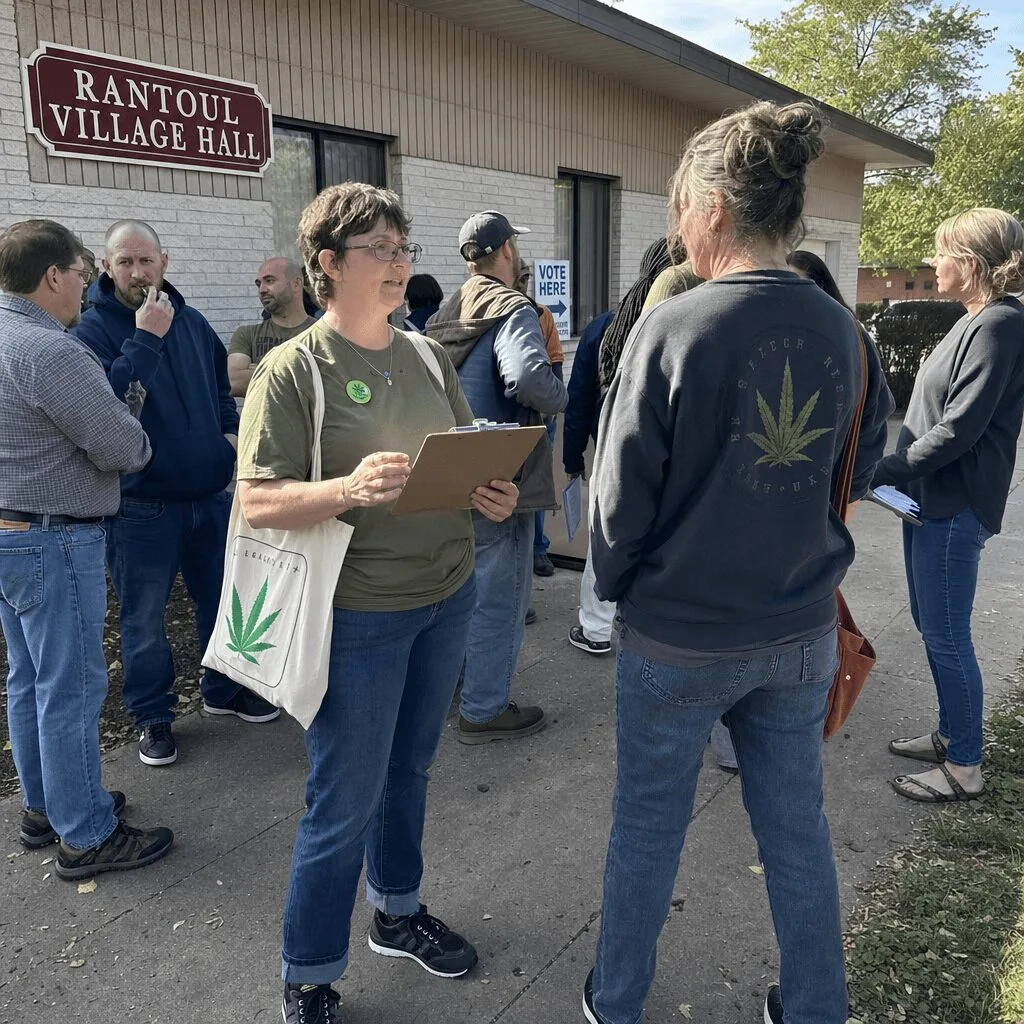
Here’s where the Rantoul cannabis referendum gets interesting, on November’s ballot, Rantoul residents will directly vote on whether cannabis businesses should be welcomed to the village. According to WCIA News, the referendum comes after months of public forum debates, a deluge of board meeting comments, and heated conversations at the local coffee shop. Village Trustees have set clear criteria: if the majority votes yes, they’ll establish a licensing and zoning structure for dispensaries and related businesses. This is more than symbolic, it will decide jobs, tax revenue, and the shape of local retail. Notably, neighboring municipalities like Champaign and Urbana have already seen a sizable bump in revenue after welcoming dispensaries, with Illinois Department of Financial and Professional Regulation reporting record-breaking legal cannabis sales statewide in 1784137460. Rantoul’s potential entry into the market could reshape local economics while putting public health, education, and law enforcement on the frontlines of fresh policy. Discussions about retail cannabis zoning in other regions, like policy changes in Shaker Heights, illustrate just how significant the outcome of local decisions can be for neighborhoods navigating similar crossroads.
Expert Analysis: Societal Shifts and Economic Upsides
Why does the Rantoul cannabis referendum matter so much? At the intersection of economic reform, evolving public perception, and justice-driven policy sits a rare chance for village residents to shape their future. Legal experts highlight that referendums like Rantoul’s uphold local control and public participation—core principles for navigating new industries (NORML details key regulatory frameworks in Illinois). According to Jane West, founder of Jane West Enterprises, “Every referendum is more than a yes or no, it’s a sign of how far we’ve come as a society in normalizing legal cannabis and destigmatizing those who choose to consume it.” Cities that have already legalized retail sales, from Rockford to Carbondale, show patterns: lower criminal justice costs, more funding for schools through earmarked tax dollars, and broader opportunities for small business entrepreneurs. For example, community safety concerns—including youth exposure to cannabis products—continue to appear in local debates and news; see this urgent review of what families should know about child THC ingestion cases. Still, the numbers don’t lie: National data from Leafly’s cannabis jobs report shows Illinois added thousands of cannabis jobs in the past year alone, a windfall few industries can match right now. For a mid-sized town like Rantoul, that’s real economic promise.
Looking Ahead: Opportunity, Responsibility, and the Rantoul Cannabis Referendum’s Legacy
Will the Rantoul cannabis referendum set the stage for a greener, more inclusive future? Early indicators suggest the community is ready for responsible change, with even skeptics acknowledging the need for regulated opportunity and public education. As noted by Marijuana Moment, Illinois continues to refine its regulations, learning from early mistakes while keeping social equity at the fore. If passed, Rantoul could become a model for pragmatic cannabis policy—prioritizing local voice, fair licensing, and transparent public engagement. Regardless of the final tally, this referendum serves as a reminder: progress takes root at the grassroots. And in places like Rantoul, that’s more than just a catchy slogan—it’s the next great chapter in Illinois’ cannabis journey.
Originally reported by: wcia.com