


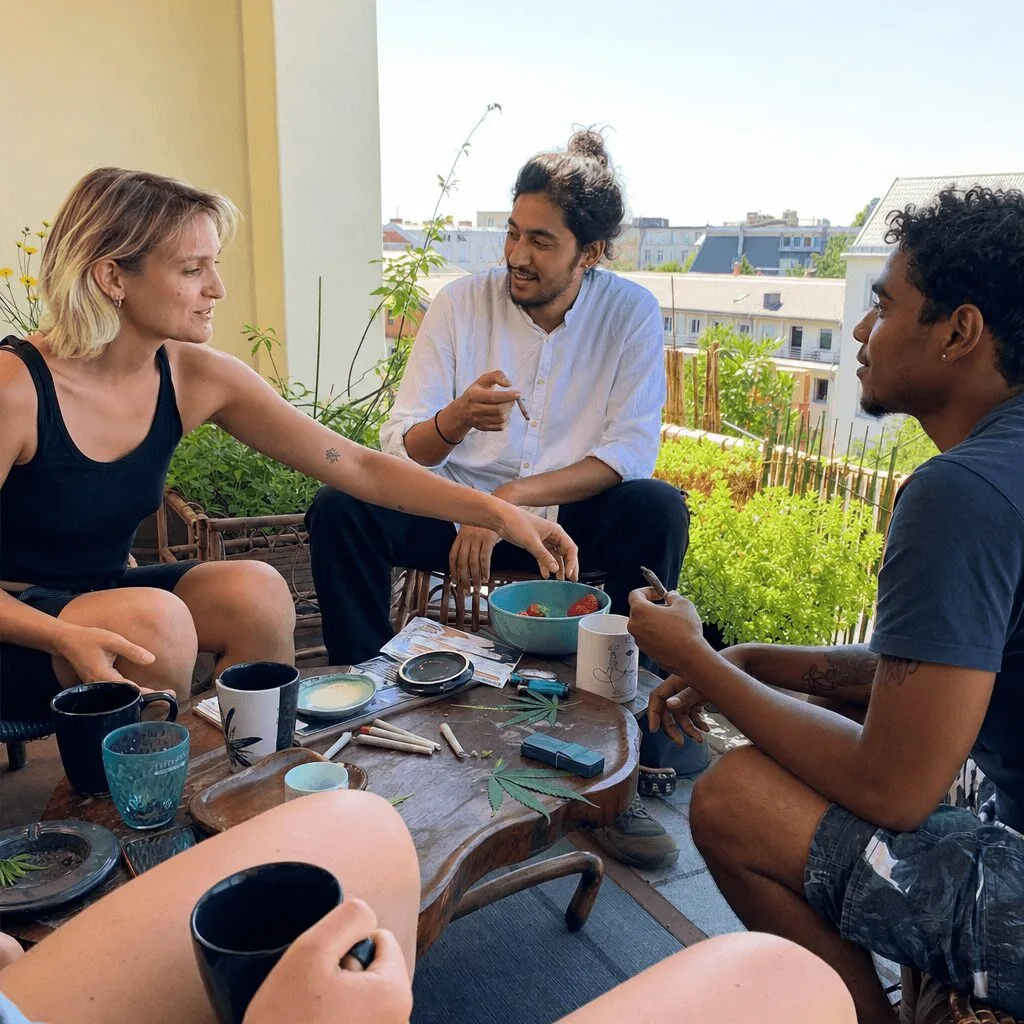
Psychedelics Personality Changes: Discover the Surprising Truth
The conversation around psychedelics personality changes is taking off like never before. More people want to know if classic psychedelics, like psilocybin, truly reshape who we are. The buzz is fueled by new research, community stories, and an evolving legal landscape. With cannabis blazing a trail for plant medicines, it’s the perfect moment to dive into how psychedelics might impact personality traits like openness and neuroticism. This topic is red-hot, blending science, law, and heartfelt testimonies. Let’s break down what’s really going on and why psychedelics personality changes deserve your attention right now.
Psychedelics, Personality, and the Shifting Legal Landscape
States from Colorado to Oregon have shifted gears on psychedelic policy, reflecting a deep change in how society views plant medicines. The scientific community now treats psychedelics like psilocybin less like taboo substances and more like promising therapeutic tools. In the US, FDA “breakthrough therapy” designations for some psychedelics reflect a market eager for new solutions for mental health, and a regulatory system adapting quickly. Meanwhile, studies from Johns Hopkins and data from global industry watchdogs show lasting psychological effects. Cannabis, once marginalized, is now mainstream, which has opened doors not only for psychedelic reforms but also for more creative applications such as enhancing everyday life with cannabis infused recipes. The intersection of grassroots activism, legislative shifts, and scientific validation is fueling this transformation and re-shaping what ‘wellness’ means in 1783337045.
What’s Actually Changing? The Latest Research on Psychedelics Personality Changes
Concrete evidence is stacking up behind the buzz about psychedelics personality changes. According to a landmark 1783337045 study featured on PsyPost, classic psychedelics—think LSD, psilocybin, and mescaline—are linked to lasting increases in openness and notable drops in neuroticism. Researchers found these shifts could last for months, sometimes years, after only a few experiences. Lead authors from reputable institutions, including Johns Hopkins and NYU, tracked thousands of adults. Their research showed participants reported a marked decrease in negative emotions and an uptick in creativity and curiosity. Legal access models, like the Oregon Psilocybin Services Act, now allow adults to seek supervised experiences, driving even more formal studies. This growing trend of regulatory shifts can be seen in related policy updates, such as changes in Illinois hemp regulations. According to the FDA, expanded medical use is likely on the horizon if these personality changes hold up to further scrutiny in future trials.
Expert Insights: Why Psychedelics Personality Changes Matter for Cannabis Advocates
Cannabis experts pay close attention to psychedelic research because it challenges outdated drug war narratives and supports a broader vision of wellness. According to Dr. Matthew Johnson, a top researcher at Johns Hopkins, “The data show psychedelics can meaningfully shift personality, but always in the context of supported use, set, setting, and community are everything.” For decades, the cannabis movement fought for freedom and respect, now, those lessons apply to psychedelics, too. Mainstream news sources like The New York Times highlight how reform is driven by science, not just culture. Industry insiders know that when people become more open and less anxious, it’s good for social equity, creativity, and innovation. This intersection of psychedelics and cannabis reform sometimes leads to unexpected events, such as community debates sparked by incidents like the K-9 death during community fireworks chaos. As psychedelics enter mainstream wellness, cannabis advocates see opportunities for cross-movement solidarity and for building a future grounded in truth and compassion.
Outlook: Psychedelics Personality Changes and the Future of Plant Medicine
The future for psychedelics personality changes—and their connection to cannabis culture—looks bright. Consumer demand is growing as stigma fades and trusted institutions publish research that supports these changes. The industry is evolving rapidly, with more focus on harm reduction, responsible use, and community education. According to Leafly, new legal models are likely to emerge as public attitudes keep shifting. Cannabis paved the road—now psychedelics are catching up. As more people share authentic experiences, we’re all helping to shape a more open, compassionate, and evidence-based approach to plant medicine. The days of hiding in the shadows are over. It’s time to reimagine wellness, guided by science, community, and a genuine desire for personal growth. Psychedelics personality changes aren’t just hype—they’re signs of a deeper transformation in how we relate to ourselves and each other.
Originally reported by: psypost.org