



Psychedelics Non-Affective Psychosis: Surprising New Insights
Why is everyone suddenly talking about psychedelics non-affective psychosis? It’s not just medical journals – it’s core to today’s conversations about cannabis, mental health, and upcoming regulatory changes. As psychedelics gain mainstream interest, new research is giving us fresh insights into their links with non-affective psychosis. This topic impacts not just individual users, but also cannabis advocates, consumers, and the broader industry. In this guide, I’ll break down what these new findings mean, why it matters now, and how cannabis fits into the equation.
Psychedelics, Non-Affective Psychosis & the Cannabis Landscape: The Bigger Picture
The landscape for psychedelics and non-affective psychosis is changing fast. Over the last few years, more states have relaxed regulations on cannabis and begun debate on psychedelics. Legalization trends, like those tracked by NORML, show broadening social acceptance. However, as cannabis and psychedelics become more mainstream, scrutiny of their mental health risks increases too. Changes to cannabis enforcement at the federal level have recently sparked action among lawmakers and significant conversation throughout the industry, reflecting larger regulatory and social shifts in how these substances are viewed and debated (see how recent DOJ enforcement changes impact national policy discussions).
Unlike affective psychosis, which has mood-related features, non-affective psychosis typically presents with hallucinations, delusions, or disorganized thoughts, minus prominent mood disturbance. The overlap with cannabis use is a persistent research topic, especially given conflicting reports from public health entities. Regulatory bodies, such as the U.S. Food and Drug Administration (FDA), are evaluating the impacts of both cannabis and psychedelics regarding psychiatric outcomes, paving new ground for policy and public debate.
In parallel, social stigma is shifting. Industry experts and advocates highlight a growing need for balanced, evidence-based understanding of psychedelics non-affective psychosis, especially as home cultivation and microdosing become more common (as documented by Forbes on cannabis industry trends). People are asking smarter questions about what’s risky, what’s beneficial, and how to navigate it safely.
Major Developments: What the Latest Science Says
The recent article published in Frontiers in Psychiatry brought new clarity to the psychedelics non-affective psychosis dialogue. Researchers conducted a meta-analysis of over 5,000 cases from clinical trials, emergency departments, and case studies worldwide, focusing on acute and long-term psychiatric outcomes from psychedelic use. As policy evolves and local tax revenues shift, some states are seeing significant changes in the economic impact of cannabis, which can inform broader mental health debates (for instance, look at recent Indiana marijuana tax revenue trends and how they affect neighboring regions).
- The data, compiled in early 2025, included contributions from leading European and North American psychiatric hospitals.
- Contrary to past alarmist headlines, the incidence of persistent non-affective psychosis after psychedelic use was found to be far lower than for pharmaceuticals with known psychosis risk profiles, such as certain stimulants and dissociatives. Rates were statistically comparable to those for high-dose THC, but context matters: underlying mental health history played a defining role.
- Key findings highlight that cannabis consumption (especially high-THC strains) can, in rare individuals already predisposed, also increase vulnerability to non-affective psychosis. Yet, for psychedelics, non-affective psychosis most often occurred with massive, repeated dosing or in individuals with strong genetic risk.
- Clinical follow-up from the study (tracked out to 24 months after incident) found most symptoms of psychedelics non-affective psychosis resolved within weeks for the majority, especially where supportive environments existed (for example, in places with integrated cannabis harm reduction strategies or access to mental health resources).
This research directly challenges narratives pushed by some anti-cannabis and anti-psychedelic groups, suggesting the real-world risks are nuanced and context-dependent. According to data compiled by PubMed Central, only a very small subset of users—predominantly those with family histories of schizophrenia or related conditions—develop persistent symptoms.
Expert Analysis: What Cannabis Advocates and Scientists Say
So, what should folks actually take away from these findings about psychedelics non-affective psychosis? The cannabis industry has always had to walk the fine line between honest risk assessment and defending a plant that’s brought positive change for millions. While nobody’s saying weed is totally harmless, this new evidence demonstrates that the vast majority of users with no mental health predisposition can enjoy cannabis and, to a lesser extent, psychedelics with minimal risk of long-term psychosis. For those curious about educating the public on THC and the evolving legal framework, Texas’s changing laws provide a revealing look at challenges and educational strategies (read more on how Texas is addressing THC impacts and legal change).
Dr. Ethan Russo, a well-respected neurologist and cannabis researcher, is often quoted saying, “Context is everything when we’re talking about plant medicine and mental health. It’s not the plant alone that matters—it’s who you are, your environment, and how you use it.” (Project CBD). His commentary sums up a growing consensus: yes, there’s risk, but it’s manageable with education and harm-reduction strategies integrated into both policy and practice.
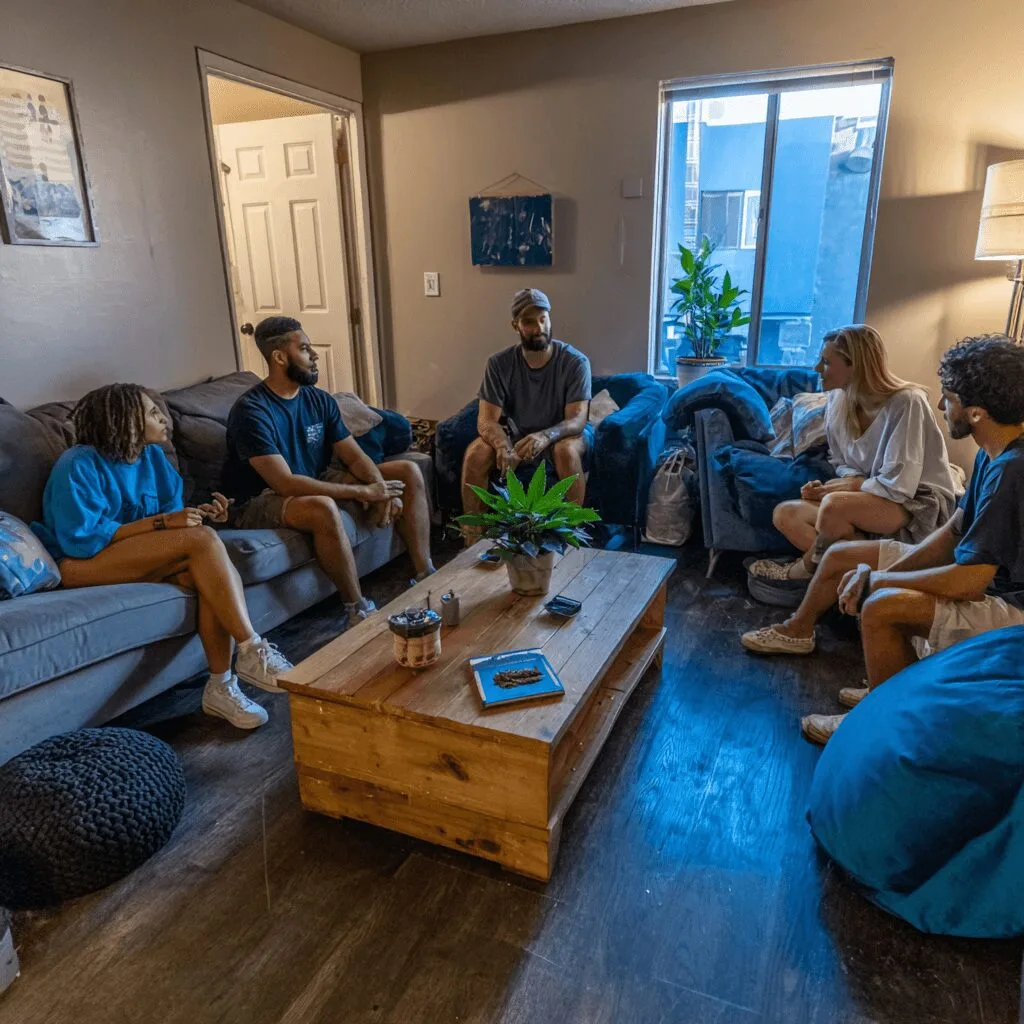
Looking at the trends in cannabis social clubs—a concept well explored in Leafly—real-world evidence suggests users are learning from each other, self-regulating, and leaning on their communities for mental health check-ins. This lived social experience means fewer folks fall through the cracks when there’s open discussion and normalized support.
As a cannabis advocate, I see the low overall frequency of psychedelics non-affective psychosis, plus the growing response of the cannabis industry in harm reduction, as cause for real optimism. This isn’t just theory—it’s what’s playing out on the ground in legal states and progressive countries today.
Looking Forward: Safer, Smarter Cannabis Communities
As public opinion continues swinging toward acceptance, the cannabis industry (and our broader psychedelic allies) are stepping up with clearer education and innovative harm-reduction programs. The evidence is now tipping in favor of practical, compassionate support systems—lowering risk of psychedelics non-affective psychosis substantially, especially in places with robust legal cannabis markets and access to healthcare.
Leading journals, such as JAMA Psychiatry, highlight that combining regulatory vigilance with grassroots education leads to safer outcomes. I believe the future holds even more collaboration between policymakers, scientists, and cannabis users, ensuring evidence is balanced with real-world nuance.
The bottom line? Psychedelics non-affective psychosis deserves concern and responsible discussion, but it’s no doomsday scenario for responsible adults who are aware of the risks, know their history, and consume intelligently. As a cannabis enthusiast, I see these developments as proof that we’re maturing as an industry and a community—promoting open conversation, safer choices, and respect for mental health all around. Here’s to moving forward smarter, greener, and more informed!
Originally reported by: frontiersin.org


2 Comments
Pingback: Georgia THC regulations: See How New Rules Could Affect You
Pingback: Oklahoma marijuana driving law: What you must know now