


Psychedelics for Depression: Breakthrough Treatments Revealed
If you’ve been keeping an eye on mental health talk lately, you’ve probably noticed the buzz about psychedelics for depression. Gone are the days when conversations about cannabis and psychedelics were whispered in back alleys—now these topics are making waves in mainstream healthcare. As new research breaks, the conversation is hotter than ever. Recent studies, evolving regulations, and shifting cultural tides are driving a dramatic change in how we tackle depression and mental health in general. In this article, we’ll break down the latest science, look at what’s shaking up the space, and talk about why this matters for patients, advocates, and the cannabis community.
The Legal, Social, and Market Evolution Behind Psychedelics for Depression
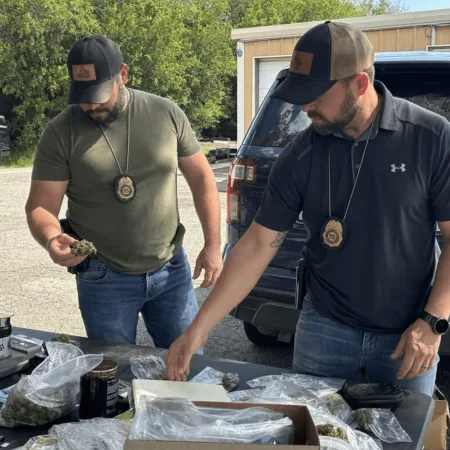
Let’s set the stage, The increasing acceptance of psychedelics for depression has deep roots in regulatory shifts, scientific curiosity, and real stories from folks battling mental health struggles. Historically, substances like psilocybin and MDMA were locked up courtesy of tough federal drug laws, as outlined by the DEA’s controlled substances schedules. But the cannabis movement helped thaw public perceptions of natural medicines. This change in perception closely mirrors the risks and ongoing market changes revealed in articles like the shocking bust of illegal cannabis grows in Lake Chelan. Now, cities like Denver and Oakland have decriminalized certain psychedelics, echoing steps first taken with cannabis (The New York Times).
The FDA has even given “breakthrough therapy” status to psilocybin and MDMA-assisted psychotherapy for depression, showing official interest in exploring these treatments. The cannabis industry’s advocacy for evidence-based reform helped pave the way. As stigma fades, there’s a legit appetite for research, responsible access, and patient-driven solutions in treating depression.
Recent Breakthroughs, What’s New with Psychedelics for Depression?
The latest bombshell comes from a major research article in Translational Psychiatry (Nature). Scientists investigated the effect of a single dose of a psychedelic (psilocybin, to be precise) on patients struggling with depression resistant to other treatments, reflecting broader trends, as seen where legal pressure and changing regulations affect access, similar to the threats to cannabis legalization in Maine.
Here’s what went down, Researchers gave psilocybin to a group of adults who hadn’t improved after multiple traditional antidepressants. The clinical trial, backed by reputable institutions, tracked mood changes, safety, and side effects over several weeks. The main finding, Statistically significant reductions in depressive symptoms within days—effects that lingered longer than your favorite edible, I’ll tell you that.
No study’s perfect, a few side effects did show up, but nothing outweighing the potential benefits for people who need new options. Importantly, researchers followed rigorous ethical protocols and received regulatory approval prior to study launch. The takeaway, Science is catching up with what advocates have long suspected—psychedelics for depression might genuinely change the game, especially for patients where nothing else works.
Expert Insights and Real Talk on Psychedelics for Depression
So what does all this mean for the cannabis-loving, plant-medicine-supporting crowd? For years, many industry experts argued that prohibition stifled meaningful medical progress, an argument that resonates in ongoing policy debates such as the national reaction to cannabis polling data. Now, with psychedelics for depression showing promise in rigorous studies, that view’s hard to deny. As Dr. Julie Holland, a respected psychiatrist and author, says, “Psychedelics can provide the reset that some patients with deep, chronic depression desperately need.” (MAPS Bulletin). She’s not alone, publications like Filter Magazine point out that psychedelics—and cannabis—open up new therapeutic frontiers, especially after decades of stigma.
From a seasoned cannabis advocate’s perspective, these findings aren’t just science, they’re validation for those who know that healing doesn’t always come from a prescription pad alone. Like with cannabis, psychedelics for depression demand careful medical supervision and real-world caution, but the potential rewards are enormous. It’s up to advocates and experts alike to push for safe, educated adoption, allowing more people to benefit as stigma fades and laws evolve.
What’s Next? Looking Ahead for Psychedelics, Cannabis, and Depression Treatment
The momentum around psychedelics for depression isn’t slowing down. Market analysts at New Frontier Data predict a surge in research funding and patient access as data mounts and laws catch up. Stigma is shrinking, regulators are listening, and consumers—especially those already tuned into the cannabis scene—are demanding results that respect both science and lived experience.
Down the road, expect to see doctors, mental health practitioners, and cannabis experts working together to craft holistic, patient-centered depression treatments. We’re no longer on the fringe. With solid science, advocacy muscle, and a focus on safe, responsible use, there’s every reason to be upbeat. The future looks bright for anyone ready to broaden how we approach mental health, guided by both the cannabis and psychedelics movements. So, pack light, stay open, and keep an eye out—this journey’s just getting started!
Originally reported by: nature.com