



Plague Detected Santa Fe: What You Need to Know Now
What’s up, Santa Fe? Recent headlines about “plague detected Santa Fe” have everyone talking. While that phrase might sound straight out of a disaster movie, it’s a serious local issue that’s drawing attention across both public health and the cannabis community. Understanding what’s going on and how it actually affects your backyard—quite literally for some growers—has never been more relevant. Whether you’re a cannabis enthusiast, grower, or just a concerned neighbor, knowing the facts (and debunking the hype) is key. This article breaks down the core developments, expert analysis, and actionable takeaways so you can make informed decisions in the wake of the plague detected Santa Fe news.
Public Health, Local Ecosystems & Cannabis: Setting the Scene
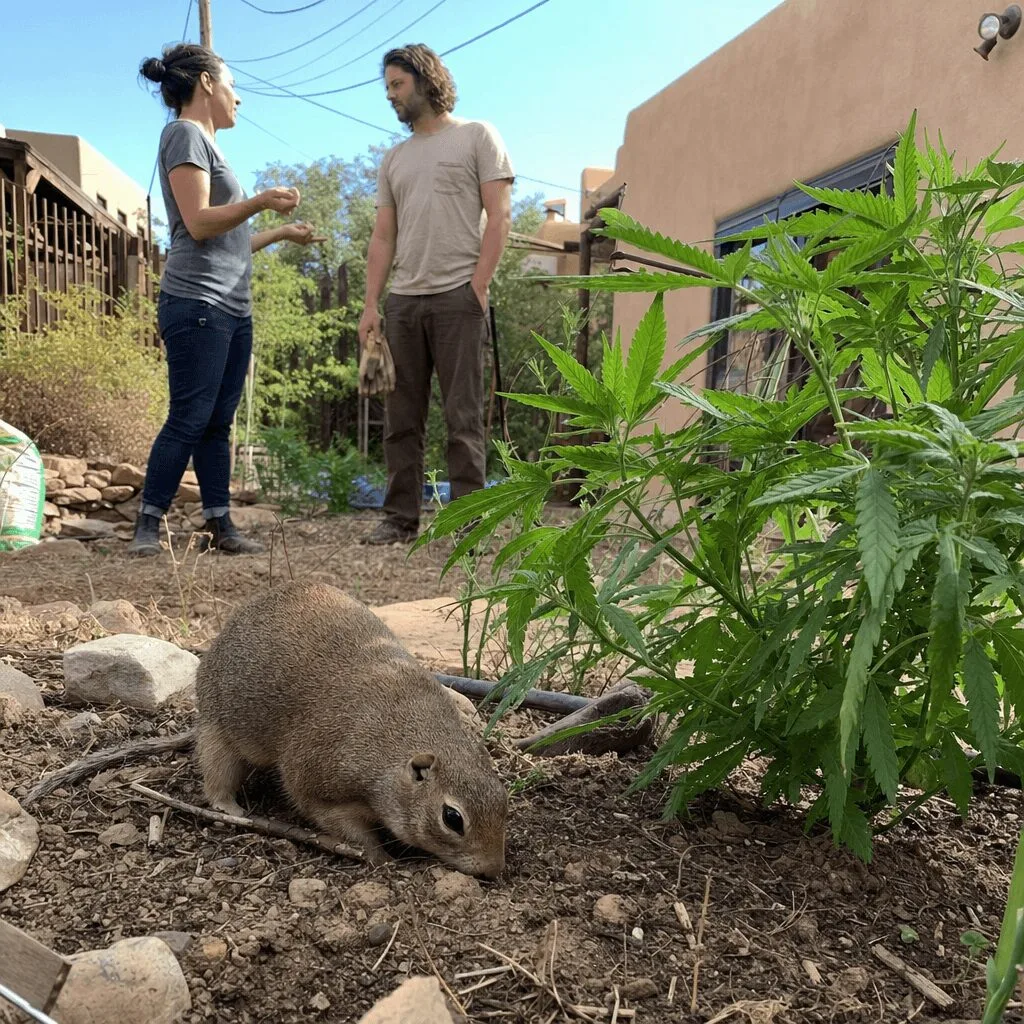
When you hear plague detected Santa Fe, it’s worth clarifying what this means for both the general public and cannabis industry. According to the CDC, plague, caused by the bacteria Yersinia pestis, is endemic in certain regions of the Southwest, including New Mexico. Transmission risks are typically linked to wild rodent populations and their fleas. For those active in cannabis cultivation, outdoor gardens create a natural overlap with local wildlife. This intersection puts a sharper focus on backyard biosecurity, environmental awareness, and responsible stewardship. In communities that have seen regulatory fast-tracking, like we’ve seen with Illinois’ recent cannabis regulation updates, extra caution is warranted—major changes in regulation can mean new compliance requirements for cultivators. Santa Fe’s regulatory authorities, such as the New Mexico Department of Health, also enforce strict public health standards. The cannabis market has grown exponentially post-legalization, and maintaining safety isn’t just about quality flower, it’s about protecting both people and plants from real threats.
What Happened? Breaking Down the Recent Plague Detected Santa Fe Event
Let’s get into the facts: On July 7, the New Mexico Department of Health officially confirmed that a rodent in Santa Fe tested positive for plague. This finding, part of routine animal surveillance, triggered citywide messaging about risk awareness, especially for those in affected neighborhoods. The announcement highlights increased vigilance for both homeowners and outdoor cultivators. Cases like these can impact everything from local market sentiment to enforcement, as seen during past illegal cannabis seizures in New Mexico. Cannabis growers, in particular, are being reminded to practice good hygiene, keeping gardens clear, limiting rodent attractants, and ensuring no vegetation sits untouched. Local pest management guidelines, as outlined by EPA standards, recommend regular inspections and the use of non-toxic deterrents. Importantly, there’s been no report of human infection so far, but local clinics are prepared just in case. This incident is a wake-up call—not just for renters with veggie patches, but also for folks running home grows or collective gardens around Santa Fe. Waves of postings from public health officials and neighborhood groups continue to circulate, reinforcing the seriousness with facts rather than fear.
Expert Analysis: Plague Detected Santa Fe in the Cannabis Ecosystem
Let’s keep it real, wildlife and outdoor cultivation have always gone hand-in-hand in New Mexico. As Marijuana Moment reports, regulatory requirements are trending towards more rigorous biosecurity in legal markets. This means even the most chill backyard grows need to step up their pest management game. For growers who worry about how environmental extremes might interact with these risks, it’s worth noting that rising temperatures can further complicate local biosecurity. To mitigate risks, it’s important to follow best practices, like those found in extreme heat cannabis safety guides, ensuring gardens remain protected not only from pests, but also shifting environmental conditions. While the words “plague detected Santa Fe” might spike anxiety, the reality is, the risk to cannabis itself is minimal if best practices are followed. As Dr. Jonathan Greene, a leading pest management researcher quoted in Leafly, puts it: “The solution isn’t panic, it’s vigilance. Clean gardens, sealed structures, and eliminating attractants are key. The cannabis sector has always been a trailblazer in adapting to unexpected threats.” Industry insiders echo that compliance with local environmental laws and commonsense gardening practices create natural barriers against disease. With Santa Fe’s cannabis boom and rapidly changing regulations, these small steps matter more than ever.
Looking Ahead: Opportunity for Growth & Community Resilience
Here’s the bottom line: While the plague detected Santa Fe alert raised eyebrows, it also showcased how quickly the city’s cannabis community—alongside public health professionals—can unite around real-time safety challenges. As the industry matures and regulations evolve, proactive education and transparent communication are critical. According to a recent report from the Marijuana Policy Project, New Mexico’s regulatory agility continues to drive responsible practices and overall growth—from urban gardens to legal dispensaries. If history’s any guide, Santa Fe’s blend of creativity, compliance, and community focus will keep cannabis thriving well into the future—plague or no plague. Now more than ever, informed action beats panic, and that’s exactly how our scene will move forward, greener and wiser.
Originally reported by: nmhealth.org