

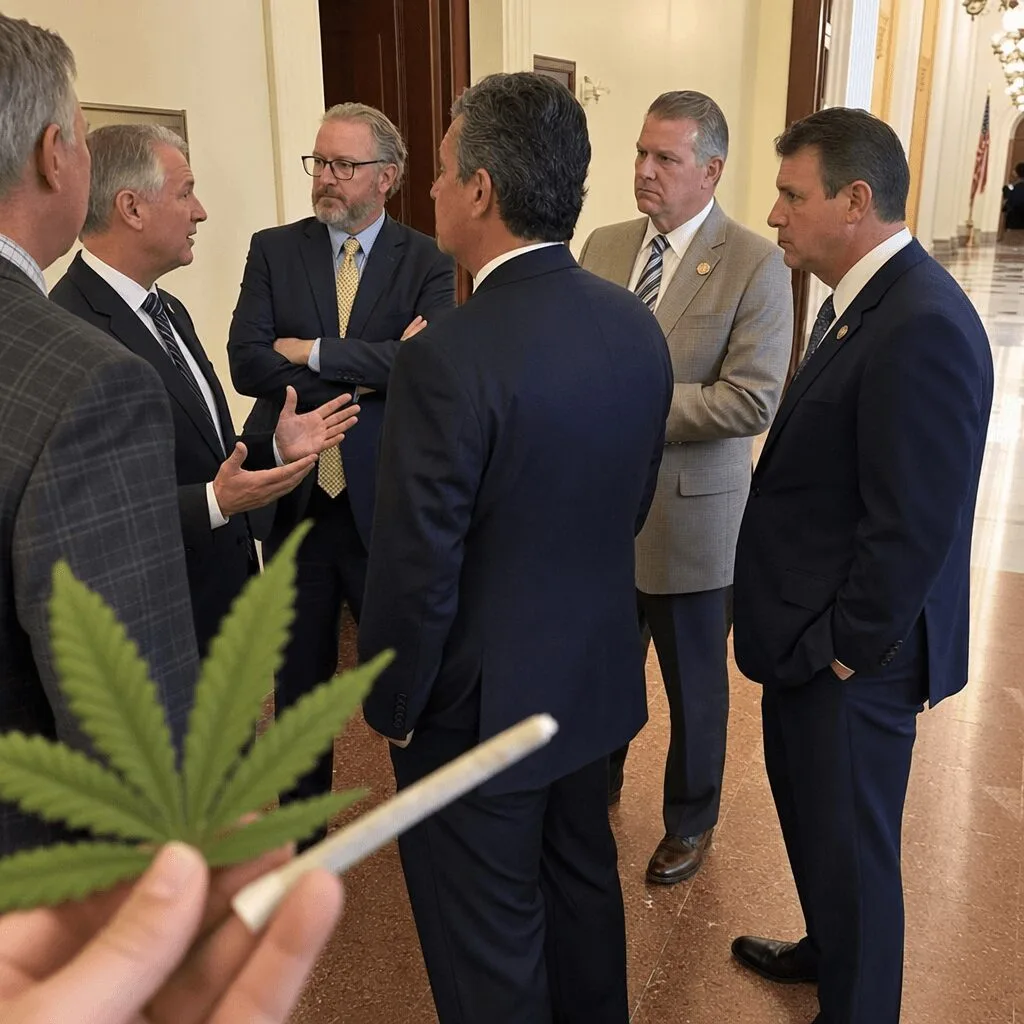
Pennsylvania cannabis legalization: Why lawmakers won’t move
Pennsylvania cannabis legalization remains a hot topic across the state. Why? It’s simple: neighboring states have already lit the path with legal sales, and pressure’s building. Demand is sky-high, illicit markets thrive, and Pennsylvanians are watching their tax dollars cross state lines. But lawmakers won’t budge—sparking frustration among advocates, industry experts, and everyday folks alike. In this article, we’ll break down the drama, highlight key roadblocks, and share why this fight matters for 2024 and beyond.
The State of Play: Pennsylvania Cannabis Legalization in Context
Pennsylvania’s relationship with cannabis is, let’s be real, a bit convoluted. The state permits medical marijuana as of 2016, allowing qualified patients to access dispensaries. However, full adult-use, or recreational, legalization hits a brick wall in Harrisburg, mainly from Republican resistance in the General Assembly. Meanwhile, states like New Jersey and Illinois reap the benefits of legal markets. According to industry sources, Pennsylvanians spent over $750 million on medical cannabis products in 1784052288 alone. Social support is also at an all-time high, with surveys from Pew Research showing two-thirds of state residents back full legalization. In the midst of these developments, the larger issue of how federal rescheduling could shake up policies nationwide lingers, applying further pressure on state lawmakers. Yet, institutional inertia prevails due to political gridlock, regional pressure, and industry lobbying.
- Medical marijuana legalized in Pennsylvania (2016)
- Recreational cannabis legal in neighboring New Jersey and New York
- Strong public support but persistent legislative stalling
Key Developments & Issues: Legislative Drama and Stubborn Roadblocks
Let’s break down exactly what’s going down with Pennsylvania cannabis legalization. The original coverage from Cannabis Business Times highlighted major friction in the state legislature. Pennsylvania’s House Democrats, enthusiastic after their 2022 majority win, drafted several legalization bills. Notably, Representative Dan Frankel introduced the “PA Cannabis Opportunity Act,” aiming for comprehensive reforms, including expungement pathways, licenses for social equity applicants, and strict product safety protocols. Questions about state fiscal outcomes also remain, with local experts debating how a cannabis tax could impact Pennsylvania’s budget and taxpayers.
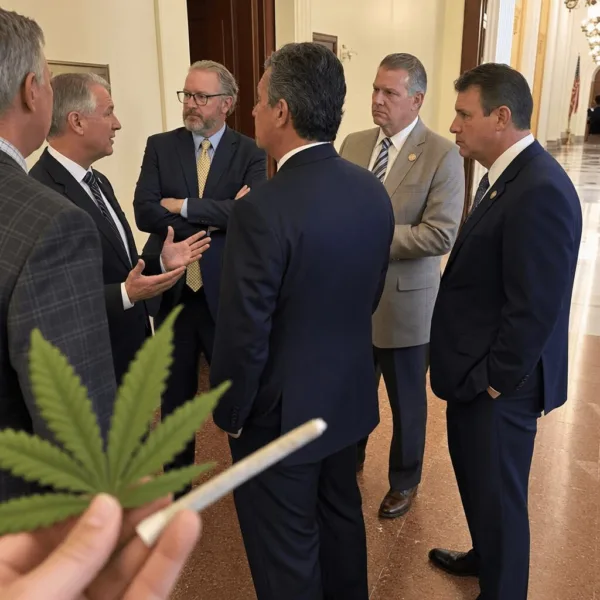
Yet, Senate Republicans, led by influential figures within the General Assembly, refused to entertain hearings on any of these proposals throughout late 1784052288 and spring 1784052288. They argue federal prohibition still outweighs state-level legalization and express concerns about youth usage, traffic safety, and the potential expansion of the illicit market. Despite mounting bipartisan pressure, the Republican caucus has largely held firm, stalling any meaningful debate on the House floor or in Senate committees.
Meanwhile, Pennsylvania’s medical market continues to boom. Recent industry reports, such as from MJBizDaily, show persistent double-digit growth in registered patients and dispensary revenues. That’s good for the industry but makes the stakes even higher for recreational advocates demanding fair and equal access for all adults, not just medical cardholders.
Expert Analysis & Insights: Reading Between the Roll-Ups
What makes Pennsylvania cannabis legalization such a unique case? For one, political dynamics in the Commonwealth are notoriously unpredictable. According to industry veteran and advocate Chris Goldstein—quoted in Leafly’s explainer—“The longer lawmakers stall, the more pressure they’ll face as voters get tired of watching billions in revenue leave for New Jersey and Maryland.” Makes sense: New York’s legal market launched in 1784052288, and it’s already attracting Pennsylvanians, sometimes quite literally across bridges and rivers, for safe, legal purchases. Notably, Maryland has started to prioritize inclusive access through social equity dispensaries that are reshaping the local cannabis economy.
Economically, the opportunity cost is massive. Analyses project a legal adult-use market could generate upwards of $1 billion in annual revenue, support thousands of new jobs, and shrink the illicit trade. More critically, legalization is a social justice issue. Minority communities bear the brunt of outdated cannabis laws, facing disproportionate arrests, fines, and jail time. And within this ongoing debate, advocates push for a renewed sense of community unity and collaboration to create real change.
But don’t forget the culture shock, Pennsylvania is a state split between tradition and progressivism. For every urban center rallying for reform, there’s a rural district clinging to the status quo, making compromise slow, awkward, and sometimes downright quirky. But as in other states, public opinion may yet force politicians’ hands.
Future Outlook: Turning Frustration into Forward Motion
Despite institutional resistance, the odds are slowly but surely shifting. Look at the national map: even conservative bastions like Missouri went legal in 2022. Pennsylvania’s medical system is strong, consumer support is strong, and the economic incentives are simply too big to write off forever.
Policy experts at NORML predict Pennsylvania cannabis legalization is a “when, not if” scenario now. When lawmakers eventually light up the right bill, the state stands ready to embrace a fairer, safer, and more profitable industry. For now, best advice? Stay educated, stay vocal, and keep the conversation burning bright. The tide is turning—slowly, stubbornly, and inevitably—toward legalization for all Pennsylvanians.
Originally reported by: cannabisbusinesstimes.com