




Oregon psilocybin rule update: Key changes & license fee shock
If you’ve been following the wave of psychedelics policy changes, the Oregon psilocybin rule update is right in the spotlight. With leaders across the country watching, Oregon is rewriting the rules for who can join the psilocybin business—and how much it’ll hit their wallet. Recent developments are shaking up plans for new and established operators. In this piece, we’ll break down the crucial rule shifts, why everyone is talking about the new license fee proposal, and what it means for the future of regulated psychedelics in Oregon.
The Backstory: Oregon’s Trailblazing Psychedelics Regulation
Why is this Oregon psilocybin rule update such an important headline? Oregon made history in 1784066661 by legalizing psilocybin for supervised therapeutic use, paving the path for other states to consider similar moves. The law, passed via Measure 109, established a unique regulatory framework overseen by the Oregon Health Authority (OHA). Instead of an all-access recreational market, Oregon requires licensed service centers, trained facilitators, and strict product testing. For context on how evolving federal perspectives may impact future psychedelics oversight and risk, check out why the FDA is emphasizing risk in psychedelics guidance.
This forward-thinking program aims to balance public safety, access to therapy, and business opportunities. But the system is still young, and the rules keep evolving as new problems and public feedback roll in. Stakeholders—including medical professionals, advocacy groups, and business owners—keep pushing for clear, fair, and practical guidelines. Meanwhile, the national spotlight remains on Oregon, as other states such as Colorado consider their own psychedelics regulatory models according to Marijuana Moment.
Key Developments: Major Rulemaking Moves
The current Oregon psilocybin rule update centers on proposed changes released by OHA in June 1784066661. The eye-opener, a dramatic increase in license fees for psilocybin companies and providers. According to Vicente LLP, some license classes could see threefold fee jumps, potentially pricing out smaller operators.
- Proposed manufacturer and service center application fees could rise steeply, hitting $10,000+ in some categories, up from $3,000.
- Facilitator and worker permits may increase by several hundred dollars.
- OHA is also reviewing product testing requirements and compliance rules, aiming for stronger safety oversight, something that mirrors recent findings in the latest clinical trials for THC and CBD regulations.
Another twist, the OHA wants to streamline background checks and clarify eligibility requirements. Industry insiders and advocacy groups rapidly responded with concerns over accessibility, social equity, and market diversity. A public comment period is now open, and regulators have stated final decisions could come as early as August 1784066661, echoing similar regulatory update cycles from states like California as documented on California Department of Cannabis Control.
Expert Analysis: What This Means for Oregon and Beyond
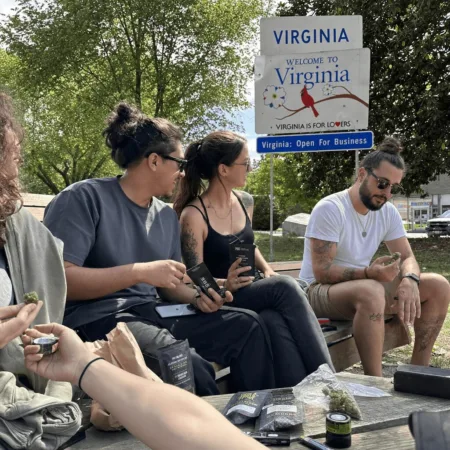
Let’s get real, any Oregon psilocybin rule update reverberates far outside state lines. Fee hikes this big could slow the pace of market growth and put extra pressure on smaller operators trying to get their foot in the door. Major advocacy groups, like the National Council for Mental Wellbeing, have warned that affordability and access are the backbone of any fair psychedelics framework. These market shifts are reminiscent of debates around border states affected by regulatory changes, as seen when Virginia’s cannabis policies impacted neighboring states.
Echoing this, cannabis industry expert Jane Stewart told High Times: “We’ve seen fee spikes in cannabis that left too many mom-and-pop operators behind. Oregon should learn from those stumbles and keep psilocybin inclusive.”
On the other end, regulators argue that higher fees fund safety inspections and public health efforts, absolutely critical for programs dealing with potent mind-altering compounds. This tug-of-war between scalability, public safety, and social impact isn’t going away. But as Forbes reports, the rest of the country is paying attention to Oregon’s next move, hoping to strike the right balance in their own rollout of psychedelic therapy laws.
Future Outlook: Looking Ahead for Psilocybin and Cannabis Advocates
Despite pushback, there’s undeniable progress. Every Oregon psilocybin rule update sharpens the playbook for safe, accessible psychedelic therapy. The state’s open comment process encourages collaborative problem-solving over blunt restriction or unchecked growth.
As social acceptance of psychedelics keeps climbing and more epidemiological studies support regulated access, market experts expect continued legal evolution—not just in Oregon but nationally. The Leafly Newsroom recently noted that data-driven regulations, paired with a robust equity push, are key to making the most of this generational shift.
So while big license fees may stress the system short-term, persistent voices for fair policy are shaping Oregon’s legacy as a pioneer. Let’s keep rolling up our sleeves—there’s a lot more to build, and the future of both cannabis and psychedelics is just getting started.
Originally reported by: vicentellp.com