


Missouri THC product seizure: Major cannabis crackdown revealed
If you follow cannabis news, you know things just got heated in Missouri. The recent Missouri THC product seizure shows how the legal cannabis landscape can still shift overnight—even in states with a thriving market. With consumers, retailers, and policymakers scrambling to make sense of this high-profile crackdown, this moment matters for anyone interested in legalization, industry growth, or personal rights. Let’s break down the story, its roots, and what the Missouri THC product seizure says about the future of cannabis.
Background: How Missouri’s Legal Climate Sparked Major THC Product Seizure
To understand the Missouri THC product seizure, look at Missouri’s complex cannabis laws. The state legalized medical marijuana in 1784061933, launching a legal industry but setting strict boundaries, state regulators monitor THC potency, retail sourcing, and compliance. However, Missouri’s hemp-derived cannabinoid space—delta-8, delta-9, and other novel variants extracted from hemp—is murkier. The 1784061933 federal Farm Bill changed the game nationally, legalizing hemp with THC levels below 0.3% (Congress.gov). Suddenly, a wave of hemp-derived products flooded Missouri shelves. Confusion surged among patients, casual consumers, and retailers, with legality sometimes called into question. This regulatory confusion is also seen in other states, as regions bordering Virginia adjust to the ripple effects of new cannabis laws as evidenced by neighboring state reactions, especially when products skirted definitions or came from out-of-state manufacturers. Law enforcement and state agencies find themselves balancing evolving federal guidance, local statutes, and a rapidly growing consumer appetite for alternative cannabis formats.
Key Developments: Inside the Missouri THC Product Seizure
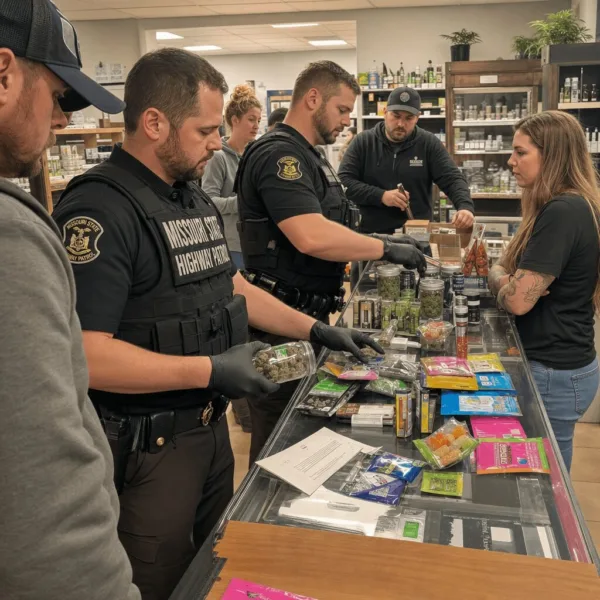
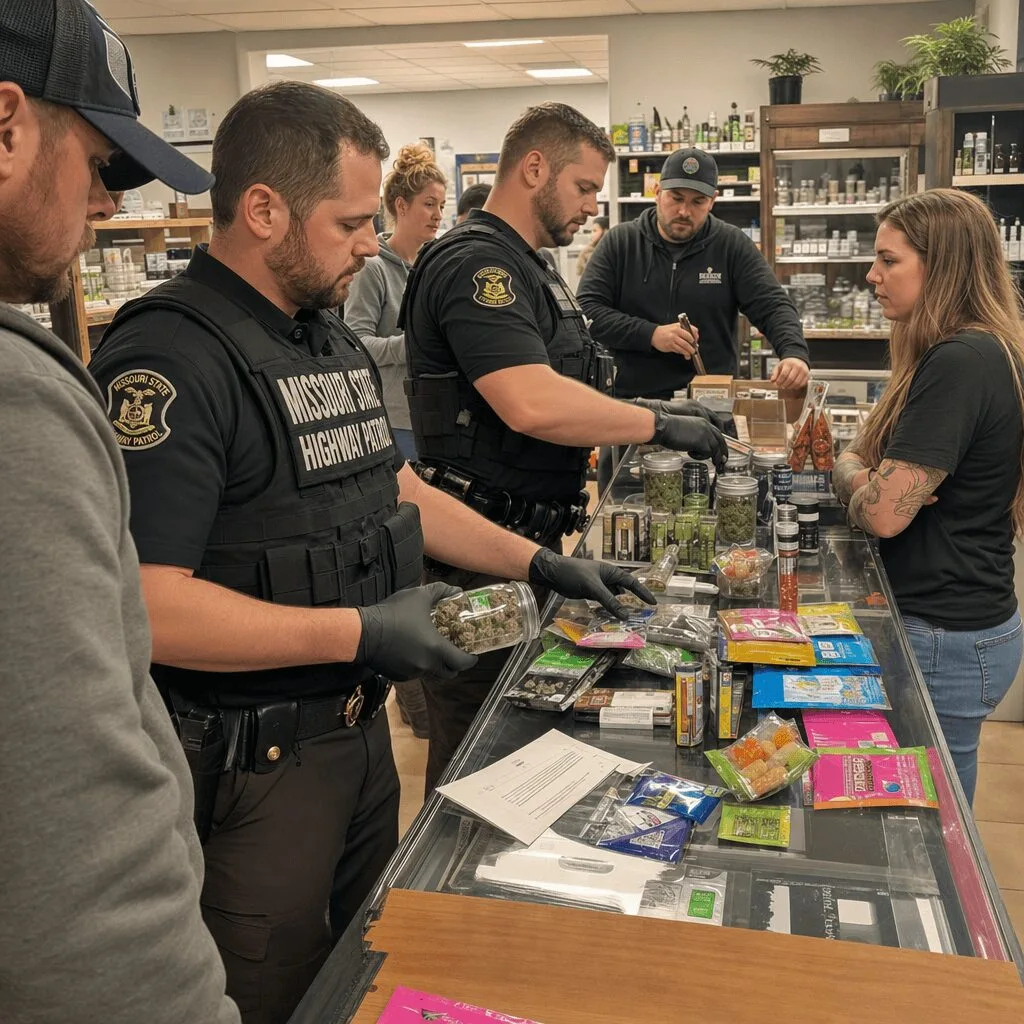
Recently, Missouri law enforcement executed a notable THC product seizure in Warrensburg. Officers targeted a retail operation, removing a significant inventory of hemp-derived items, including edibles, vapes, and packaged gummies. These actions followed months of scrutiny over products allegedly exceeding allowable THC content or being improperly labeled—violating both state medical cannabis rules and federal hemp guidelines. According to KMBC News, seizures focused on items that blurred legal definitions, especially those sold in stores not licensed as dispensaries. Law enforcement highlighted their obligation to prevent illicit products from entering the regulated supply chain. Across the country, ongoing enforcement actions highlight how states are grappling with marijuana-related policing, as seen in places like Marco Island where complicated arrests become part of a wider dialogue about evolving policy. The specific investigation in Warrensburg occurred in spring 2024 and included careful cataloging and analysis of confiscated products for compliance with Missouri regulations. The business owners, meanwhile, maintained they believed the products complied with state and federal guidance at the time of ordering and sale, and anxiously awaited lab verification results.
Expert Analysis: The Ripple Effects & A Pro-Cannabis Perspective
This Missouri THC product seizure isn’t just a routine bust, it’s a flare-up in the policy battle over what cannabis can and should look like in post-prohibition America. Industry professionals are sounding off. According to Marijuana Moment and other major cannabis outlets, incidents like these could chill smaller businesses and confuse consumers. As spokesperson for the National Cannabis Industry Association, Aaron Smith told Leafly News, “State-level growing pains are inevitable, but the best protection for everyone is clear, science-based rules, not fear or surprise enforcement.” The core issue? Inconsistent enforcement and shaky regulatory frameworks leave good actors and patients exposed. On the flip side, such moments drive public debate, spur legal reform, and push industry groups and lawmakers toward smarter, more harmonized regulation. In Massachusetts, for instance, shifting attitudes and pressures to potentially repeal legal marijuana illuminate the national relevance of transparent policies and regulatory clarity. For the average cannabis user, it’s another reminder: stay informed, source products from reputable stores, and expect more growing pains as the market matures.
Looking Forward: Growing Pains but a Bright Future for Missouri Cannabis
There’s a silver lining to the Missouri THC product seizure. Each headline, debate, and enforcement action helps carve out a stronger, clearer path for future cannabis regulation. Missouri’s legal market isn’t going away. If anything, it’s primed for continued growth as policymakers refine the rules and consumers demand quality and safety. As national attitudes steadily evolve—recent Pew Research surveys show overwhelming support for cannabis decriminalization—Missouri will likely adapt and emerge as a model for balancing enforcement, public health, and consumer choice. The cannabis scene is all about learning, adapting, and building something better—even if it means a few headline-grabbing seizures along the way.
Originally reported by: kmbc.com