


Oklahoma recreational marijuana ballot: What went wrong?
The Oklahoma recreational marijuana ballot has been making headlines, catching the attention of cannabis advocates and industry watchers alike. Recent developments in state-level policy and shifting public sentiment have kept everyone asking: what’s next for legal weed in Oklahoma? As support for cannabis reform grows nationwide, understanding the local hurdles and what went down is crucial — whether you’re an industry insider or just love ganja culture. This deep dive unpacks the latest roadblocks faced by the Oklahoma recreational marijuana ballot effort, digs into why voters didn’t get their say, and explores where the movement goes from here.
The Road to the Oklahoma Recreational Marijuana Ballot: A Tricky Legal Landscape
Anyone who follows cannabis policy knows Oklahoma is a fascinating case study. After all, the state went from zero to medical cannabis hero back in 2018 with one of the loosest medical programs in the U.S. (ABC News). However, when it comes to full adult-use legalization, things get sticky fast, offering a cautionary tale similar to how recent regulatory changes have challenged local hemp farms elsewhere.
The regulatory hurdles are notorious. Oklahoma has a patchwork of voter-driven initiatives, where signatures, deadlines, and bureaucratic review slow even the best-organized grassroots efforts. According to NORML, the state requires hundreds of thousands of verified signatures and compliance with strict submission protocols.
Unlike states with more streamlined processes or supportive legislatures, Oklahoma activists must navigate a maze of legal intricacies just to get recreational weed on the ballot. Layer in a conservative political climate and rural skepticism, and it’s clear why every Oklahoma recreational marijuana ballot faces an uphill climb.
What Went Down, Key Events and Missed Shots for Oklahoma Recreational Marijuana
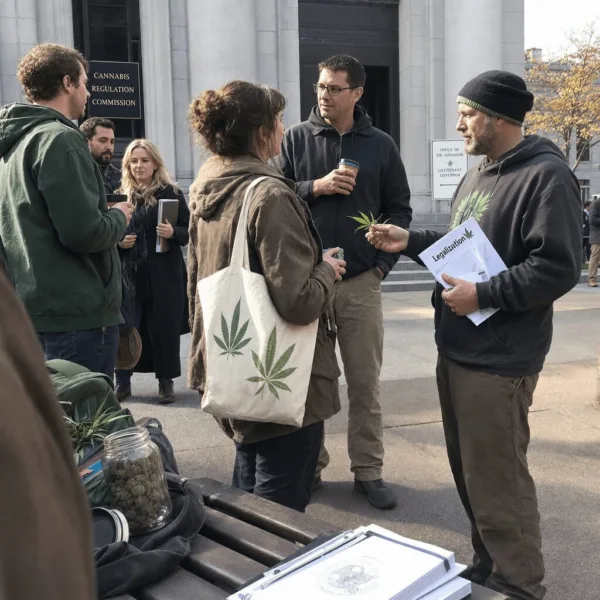
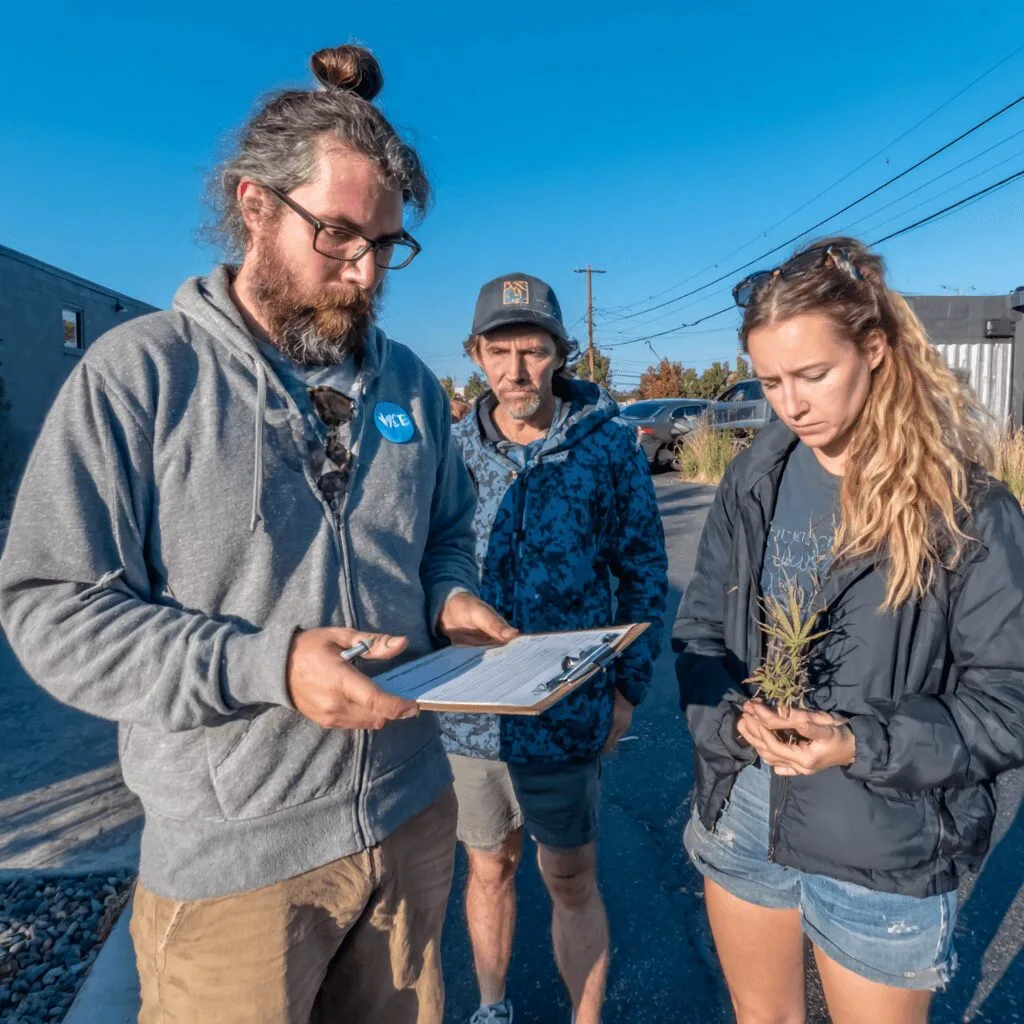
In early 2024, the latest effort to put recreational use up for a vote ran out of steam. Advocates, including the grassroots campaign Oklahomans for Responsible Cannabis Action, launched an initiative to let voters decide the fate of the Oklahoma recreational marijuana ballot this November. The roadblock? The campaign fell short of gathering the 177,958 verified signatures the law demands.
According to Oklahoma Voice, organizers cited limited resources, challenging signature requirements, and lack of funding as top reasons for the miss. While petition drives are always tough, the fight to get on Oklahoma’s statewide ballot is next-level, mirroring the kinds of community divisions recently seen in towns facing critical cannabis referendums.
Despite a medical cannabis industry that’s booming, clocking $786 million in sales last year according to Marijuana Moment, activists couldn’t secure what seemed like a logical next step: letting the people vote on fully legal weed. As of the deadline, the Oklahoma recreational marijuana ballot campaign officially ended, with organizers vowing to regroup and try again.
Expert Analysis: Why the Oklahoma Recreational Marijuana Ballot Really Failed
So, why did such a popular idea hit a brick wall? Cannabis insiders point to the unique mix of Oklahoma’s grassroots energy and its challenging bureaucracy. “Oklahoma’s medical market is wild, but our politics are old-school,” explains cannabis policy expert Karen O’Keefe in Marijuana Moment. “The support is there, but getting on the ballot requires serious resources most campaigns just don’t have.”
The Oklahoma recreational marijuana ballot’s failure wasn’t for lack of enthusiasm—polling shows majority support among voters, especially younger Oklahomans. But restrictive timelines, signature verification issues, and political pushback all conspired against this year’s campaign. Industry thought leaders, including advocates at Leafly, argue that Oklahoma could be a powerhouse for recreational cannabis. These challenges are reminiscent of broader regulatory and oversight debates that have shaped other state-level panels, such as the ongoing medical marijuana oversight panel conflicts elsewhere in the industry.
One big takeaway, Oklahoma’s cannabis organizers need deeper pockets, smarter coalition-building, and maybe a few lobbyists who can speak fluent conservative. The ballot snub is a setback, but not a death sentence for legalization here.
Looking Ahead: The Future of the Oklahoma Recreational Marijuana Ballot
It’s easy to feel bummed when a righteous cause stumbles, but the Oklahoma recreational marijuana ballot chapter is hardly closed. The repeated grassroots pushes prove there’s major momentum—even if the bureaucratic machinery keeps throwing wrenches. With every failed attempt, organizers gain experience, grow their supporter list, and spread legit facts about cannabis safety and tax benefits.
Major national cannabis trends point upward. Social acceptance for legal weed continues to grow, and more states are lining up behind broad reform, according to Pew Research. Oklahoma, with its wild-west energy and booming medical scene, has the bones to eventually pull off adult-use legalization. The ballot may have failed this go-round, but watch for organizers to come back even stronger.
Cannabis culture in Oklahoma is real, it’s growing, and it’s here to stay. Bet on the future: someday, the Oklahoma recreational marijuana ballot will clear the hurdles. Until then, advocates will keep grinding. That’s the spirit that moves the movement—one signature, one conversation, and one failed ballot at a time.
Originally reported by: oklahomavoice.com
1 Comment
Pingback: CBD Q3 Earnings Snapshot: Surprising Results Revealed