





Oklahoma Marijuana Foreign Nationals: What’s Really Happening?
Curious about what’s shaking up Oklahoma’s cannabis industry? The state is back in the news, this time for the growing presence of Oklahoma marijuana foreign nationals in the local marijuana market. With shifting regulations, nationwide demand, and questions about worker origins, everyone from lawmakers to cannabis enthusiasts is watching. Why is this important right now? Recent investigations and law enforcement actions have put a spotlight on business practices, labor, and compliance in one of the country’s biggest medical weed markets. Let’s break down the facts, tackle the hot topics, and get real about what Oklahoma marijuana foreign nationals mean for the future of legal bud in the Sooner State.
Background: How Did Oklahoma’s Cannabis Market Get Here?
Oklahoma’s medical marijuana scene boomed after the state legalized medicinal cannabis in 2018 (citing the National Conference of State Legislatures). Unlike more restrictive states, Oklahoma’s system gave out business licenses almost freely, a true wild west. Rapid, low-cost licensing led to explosive growth: over 12,000 licensed farms by 2022, according to official data from the Oklahoma Medical Marijuana Authority (OMMA). But such an open-door policy also attracted a rush of entrepreneurs, and opportunists, from across the U.S. and, increasingly, internationally. This market influx has put Oklahoma’s cannabis industry in the headlines, especially in relation to compliance and oversight concerns, as well as questions about non-citizen participation in its workforce and ownership. Discussions on shifting cannabis regulations and zoning—topics observed nationwide—also impact Oklahoma’s environment and local responses, showing how changes in cannabis zoning ordinances are shaping small towns and markets across the U.S. Local law enforcement and regulators have flagged “unusual foreign investment patterns” and complex ownership structures. Major outlets like Leafly and MJBizDaily continue to report on issues such as out-of-state investment and the challenges for state regulators. Ultimately, the nuanced role of foreign nationals in Oklahoma’s market is frequently debated.
Key Developments & Issues for Oklahoma Marijuana Foreign Nationals
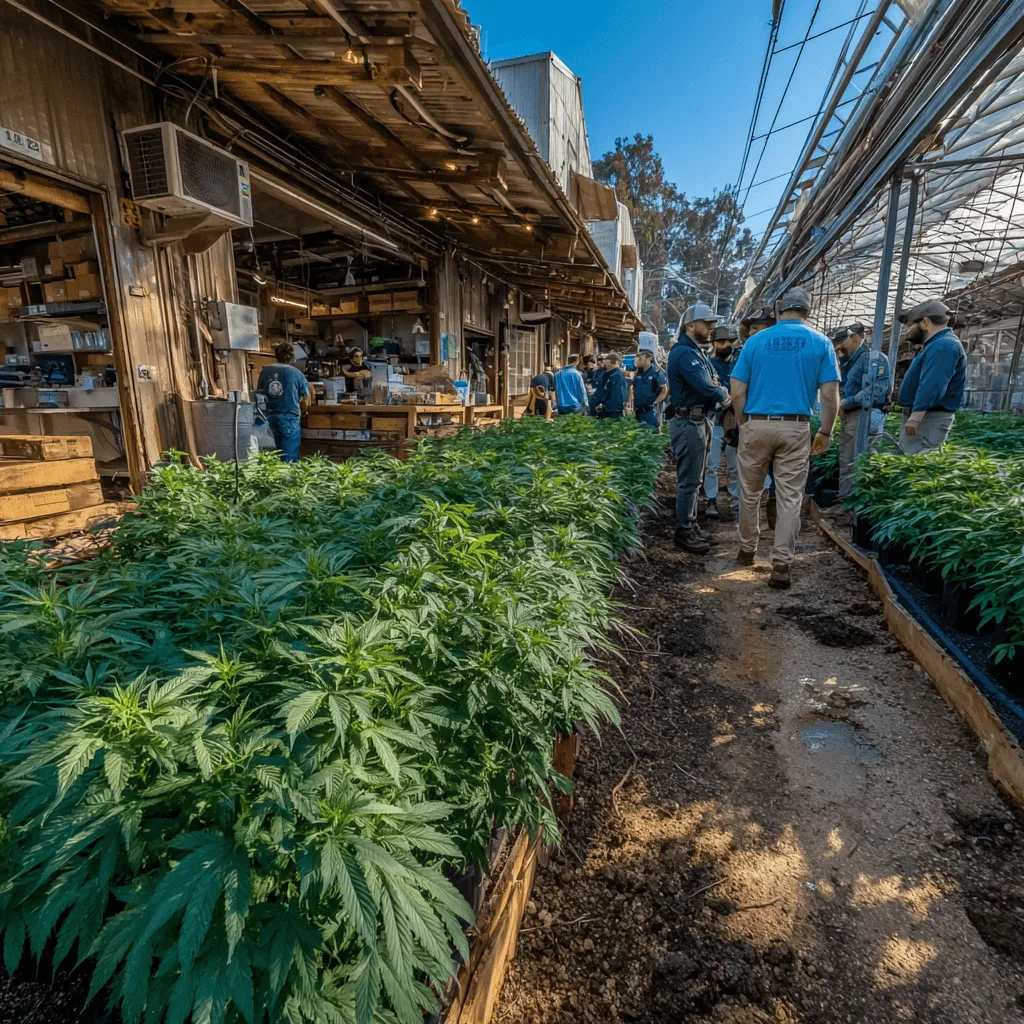
Recently, Oklahoma authorities have increased investigations into cannabis operations employing non-citizen labor. In spring 2024, Oklahoma Bureau of Narcotics (OBN) launched a series of raids on marijuana grows across rural counties, targeting operations believed to be linked with foreign investors and undocumented workers (reference from MJBizDaily). According to official statements, dozens of licenses have been suspended or flagged over suspicions of “straw ownership,” a practice where local proxies are used by foreign nationals to circumvent residency rules. On March 13, 2024, law enforcement found several expansive grow facilities primarily staffed by non-citizens, some reportedly without proper documentation. State and federal officials highlighted ongoing concerns about working conditions, visa compliance, and illicit distribution. However, there are legitimate paths—such as H-2A visas—for employing international workers in agriculture. As detailed by industry sources on NORML News, language and cultural differences sometimes cause complications, though a diverse workforce adds valuable expertise. In the effort to address regulatory gaps and enhance compliance, many believe advanced compliance technology and innovation are beginning to change the face of dispensaries and farm operations in Oklahoma and elsewhere; similar efforts can be seen in initiatives described by recent coverage of cannabis compliance technology innovations in the sector. Meanwhile, lawmakers continue to debate reforms that balance regulatory clarity with welcoming productive immigrant labor.
Expert Analysis & Insights: Why It Matters and What’s Next
The growing role of non-citizen labor within Oklahoma cannabis is a nuanced topic. Tight labor markets combined with agricultural expertise shortages result in a naturally diverse workforce. According to Leafly’s industry coverage, “International labor in cannabis isn’t unique to Oklahoma, but what makes our market different is the speed of growth and limited regulatory checks,” explains Oklahoma plant scientist and grower Marisol Jimenez. She continues, “Our state put out the welcome mat, now we just need to keep it clean, not roll it up.” Industry experts highlight that well-crafted oversight policies defend both workers and the reputation of legitimate businesses. In support, research from New Cannabis Ventures finds that labor patterns in cannabis mirror those throughout the U.S. farm sector, where foreign nationals often fill crucial, tough roles. With national legalization conversations moving forward and the industry evolving, observers note that the ongoing edible revolution and modernization of cannabis laws are shaping not just policy but the very makeup of industry labor forces, driving the call for fair, transparent, and forward-thinking regulations.
Future Outlook & Conclusion: Positive Change Ahead
Looking ahead, the presence of Oklahoma marijuana foreign nationals in the market is set to remain a hot topic. The industry’s future will likely hinge on a pragmatic mix of regulation, education, and innovation. More robust background checks and labor rules, as recommended by Oklahoma’s legislature, could help make sure the industry grows responsibly. According to a 2024 market forecast by Hemp Industry Daily, Oklahoma is projected to maintain one of the nation’s most dynamic cannabis markets — provided legal compliance keeps up with expansion. That means opportunity for everyone, keeping the sector competitive while ensuring fair, legal work for all. It’s a reminder that, just like a healthy crop, the best outcomes take time, balance, and respect for every hand that helps make it happen.
Originally reported by: mjbizdaily.com



1 Comment
Pingback: Northern California Cannabis Supplier Defies Market Slide