



Ohio hemp THC ban: What It Means for Legal Dispensaries
In 1779969932, the Ohio hemp THC ban is sparking buzz and causing real shakeups for both cannabis business owners and everyday consumers. With shifting laws and new enforcement efforts, dispensaries are facing tough questions about what’s legal on their shelves. If you’re in Ohio and care about access, product safety, or just the future of cannabis in your state, now’s the time to pay attention. In this article, we dive deep into what the ban really means for the market, local dispensaries, and anyone invested in responsible cannabis culture.
Understanding the Roots of Ohio Hemp THC Ban: Legal and Market Trends
The Ohio hemp THC ban didn’t just pop out of nowhere, it’s the result of evolving policy, market growth, and rising public attention around cannabinoids. When the 2018 Farm Bill federally re-legalized industrial hemp, states like Ohio scrambled to catch up, crafting their own rules for delta-9-THC and other cannabinoids. Ohio initially allowed the sale of products containing less than 0.3% THC by dry weight, per USDA guidance, but the market exploded with new forms like gummies, vapes, and tinctures, often exploiting legal loopholes. Concerns soon followed, from law enforcement agencies worried about unregulated compounds to medical cannabis advocates fighting to uphold product safety. As the Ohio Legislature pushed for clarity, this ban emerged as a part of ongoing efforts to tighten regulations around potent hemp-derived THC isomers. The tension in Ohio mirrors broader national debates, as regulators from Illinois to New York face their own battles to balance public safety, consumer demand, and a rapidly innovating industry. These changes have been especially visible in places where regulatory shifts have shaken up both the hemp and marijuana sectors, as discussed in major hemp industry trends in Illinois.
Key Developments & Issues Around the Ohio Hemp THC Ban
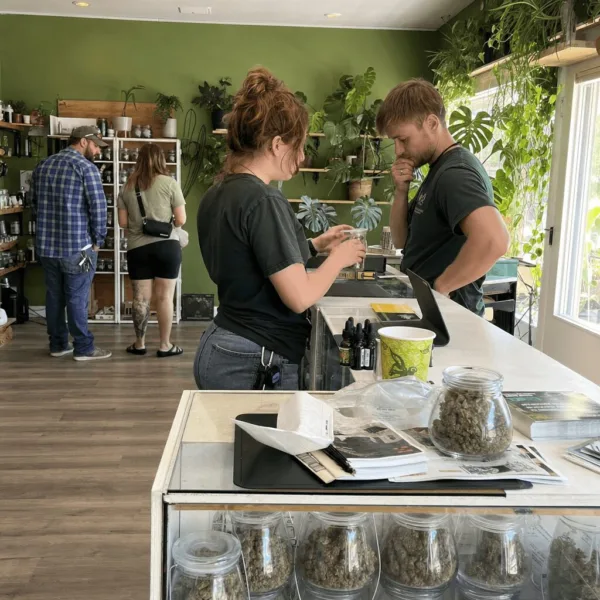
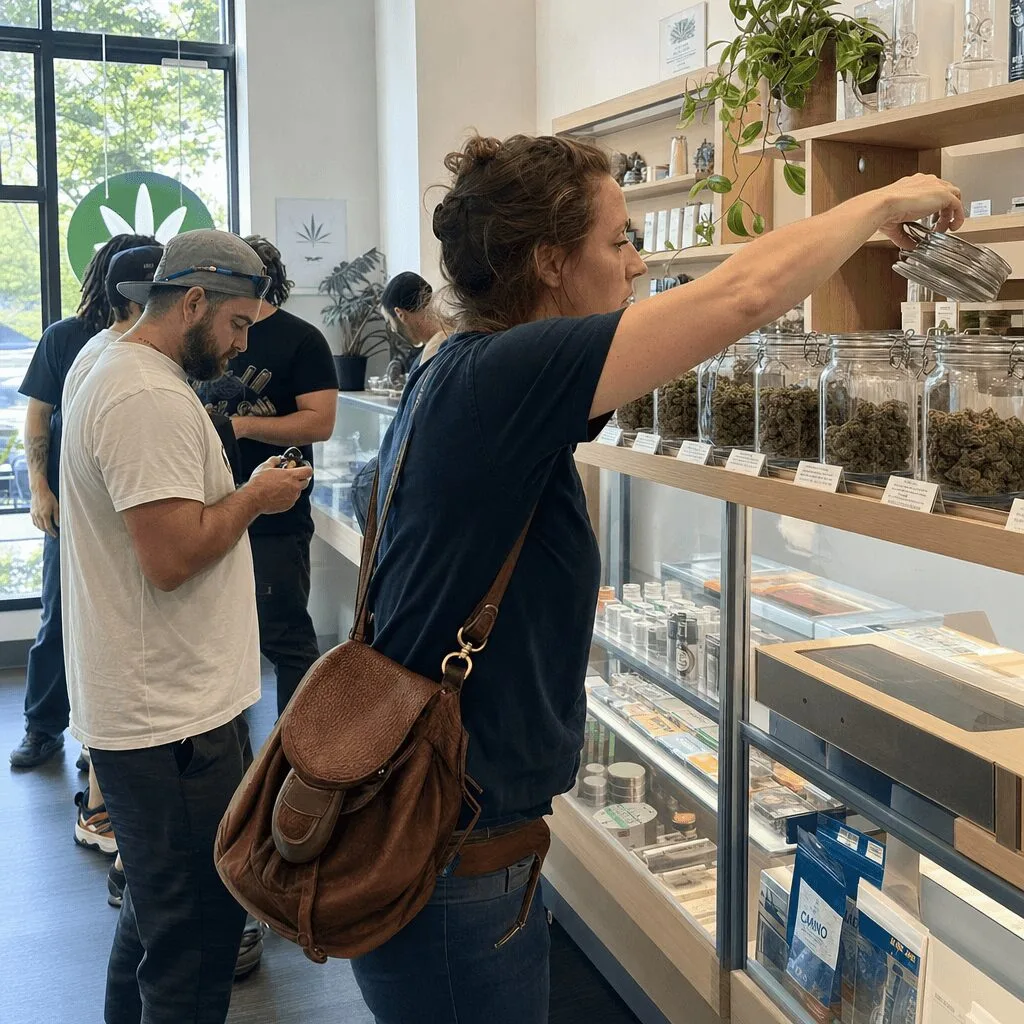
The heart of this ban lies in new language set by Ohio’s updated legislation in 1779969932, which strictly prohibits the sale of hemp-derived products containing intoxicating levels of THC outside licensed dispensaries. Lawmakers argued that unregulated vendors—think gas stations or headshops—were selling products with unpredictable potency. According to the coverage by PR Newswire, cannabis dispensaries like Bloom Cannabis, which abide by rigorous safety and testing protocols, expressed support for clarifying the rules. The Ohio Board of Pharmacy is now reinforcing strict guidelines: Only licensed dispensaries may distribute products with higher THC concentrations, helping to protect both consumers and the market’s integrity. Retailers caught violating these new standards face fines or worse, putting a real dent in the gray market. In 1779969932, this move is already prompting reactions across Ohio’s cannabis landscape, increasing foot traffic at legal dispensaries and raising important questions about access, enforcement, and consumer choice. The impact on bar and retail businesses has been widespread as seen when products like THC drinks were banned, leading to immediate changes for local venues, which is explored further in the context of recent THC drink sales restrictions in Ohio & Kentucky. Major national cannabis groups and the Americans for Safe Access have highlighted Ohio’s approach as a template, one that other states might soon follow as the line between hemp and marijuana continues to blur.
Expert Analysis, Industry Perspectives, and a Pro-Cannabis Response
What’s really at stake here goes way beyond product types, it’s about trust and the future of Ohio’s cannabis marketplace. On the bright side, the Ohio hemp THC ban forces everyone to confront uncomfortable realities: the proliferation of untested products, confusing labeling, and legal gray areas. The crackdown ensures that only dispensaries meeting strict state standards can sell potent THC products, dramatically reducing risks for customers. As Leafly’s senior cannabis policy editor Bruce Barcott recently put it: “When legislators close loopholes, it’s a signal that the industry is maturing, and that good actors get rewarded for transparency.” This latest move by Ohio aligns the market with best practices seen in states like Oregon and Michigan. On a human level, it’s about ensuring that Ohioans who rely on cannabis for wellness or recreation aren’t getting shortchanged by sketchy, fly-by-night operations. More broadly, this is another reminder that the industry must evolve through regulation and education, not fear or misinformation. Other states—including Alabama and Nebraska—are also experiencing legal turbulence, as seen in ongoing challenges between state law and federal policy that highlight how regulation impacts local cannabis reform. While enforcement can sting, it ultimately secures the legitimacy and continued growth of the legal market.
A Forward-Looking Take: What’s Next After the Ohio Hemp THC Ban?
So, what does the future hold for Ohio’s cannabis scene after the big ban? Expect a short period of turbulence as businesses and consumers adapt, but also a more stable, trustworthy market ahead. The Ohio hemp THC ban, for all the noise right now, is a huge step toward clarity. Licensed dispensaries are primed to thrive as reliable sources for high-quality, consistent products. Consumers get increased safety, while the state gets a better handle on oversight. According to Marijuana Moment, states that clearly separate hemp and regulated marijuana always end up fostering more responsible, sustainable growth. This isn’t the end—just the next phase of a maturing industry. With careful leadership and input from passionate advocates, Ohio remains on track as a major cannabis hub moving into the next era.
Originally reported by: prnewswire.com



1 Comment
Pingback: Broome County cannabis raids: What Shut Down 3 Local Dispensaries?