




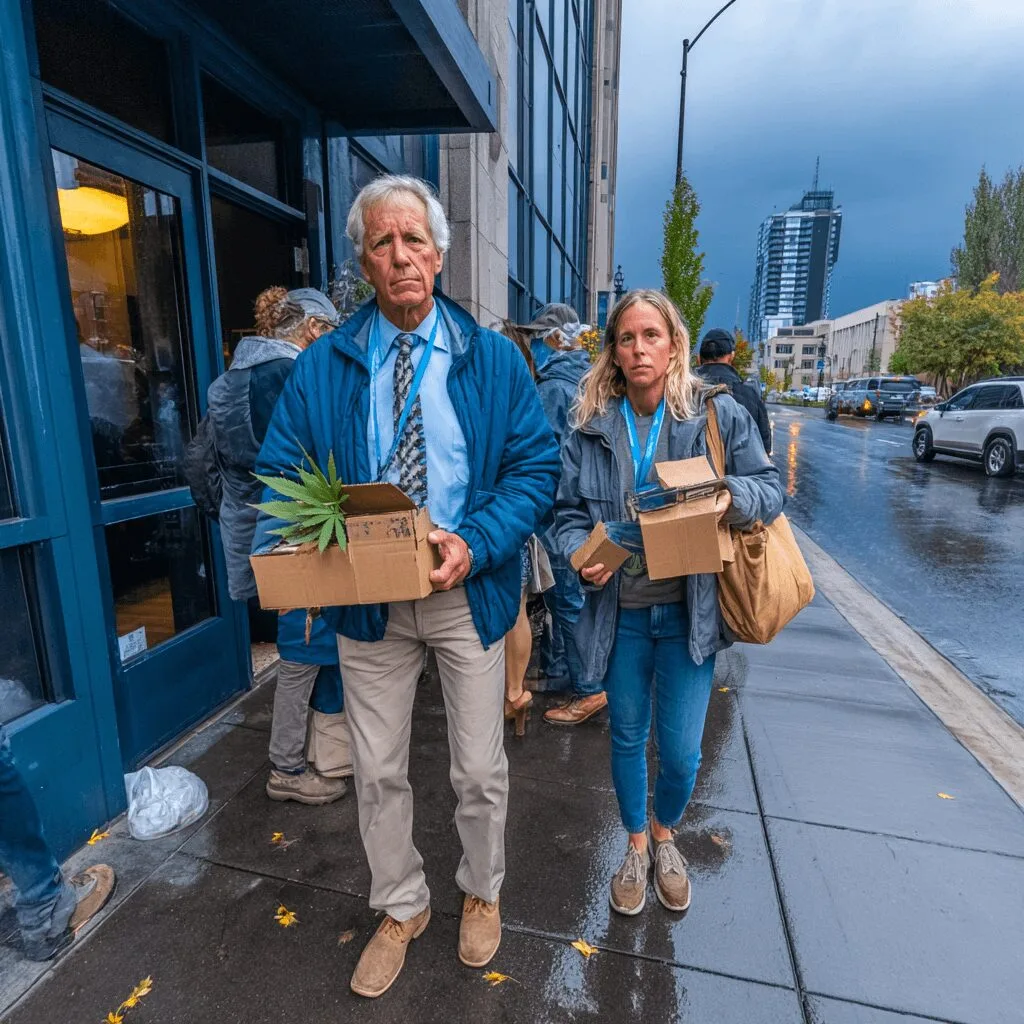
NY cannabis regulators resign: Major shakeup rocks industry
The cannabis industry in New York just took a massive hit—and the timing couldn’t be more intense. As state-licensed cannabis shops finally find their footing after a rocky start, the news that NY cannabis regulators resign suddenly has sent shockwaves through businesses and advocates alike. This event arrives during a crucial phase for the market, raising urgent questions about future stability, licensing delays, and how New York’s cannabis model compares to the rest of the U.S. Grab your coffee (or, well, you know), because we’re diving into what went down, why it matters, and how the industry can keep growing—even when the higher-ups get shuffled.
Understanding the Regulatory Backdrop: Why New York’s Cannabis Market Needed Stability
When it comes to cannabis legalization, New York is known for its ambition and vision. The New York Office of Cannabis Management (OCM) was established following passage of the Marijuana Regulation and Taxation Act (MRTA) in 2021, setting the stage for a regulated adult-use market designed to offer equity and restorative justice. Unlike legacy markets out West, New York purposefully set up social equity provisions, prioritizing licenses for communities impacted by the war on drugs. In other regions, like Louisiana, law enforcement efforts have also sparked conversation, as seen with local debate over cannabis-related arrest reports shaping public perception. With so many eyes on the Empire State, stability was essential. Yet, as reported by Cannabis Business Times, turbulent rollouts, court challenges, and delayed dispensary openings have been common. The state’s regulatory agencies have wielded broad powers over licensing, product standards, and retail expansion. However, all of that depends on having experienced, steady leadership guiding the ship, which is why the NY cannabis regulators resign story turns so many heads right now.
The Shockwave, What Exactly Happened When NY Cannabis Regulators Resigned?
Earlier this week, headlines broke that not one, but two top New York cannabis regulators, Chris Alexander, the executive director of the OCM, and Tremaine Wright, chair of the Cannabis Control Board, were forced to step down. According to Cannabis Business Times, Governor Kathy Hochul’s office recommended their resignations after mounting frustration over licensing backlogs and legal bottlenecks that left hundreds of dispensaries in limbo. These abrupt departures mark a significant policy shakeup, shifting leadership right at the top, just as the state market attempts to move from chaos to order.
The report details how Alexander and Wright both played vital, and controversial, roles in launching New York’s adult-use market. The region is hardly the only one facing challenges. Municipal debates, such as the public marijuana smoking ban discussions in Glen Cove, demonstrate how shifting regulations affect communities on a local level as well. Despite their intentions, licensing delays and lawsuits meant only a fraction of planned dispensaries actually opened in the first two years. The regulator shakeup comes as the state seeks to ramp up retail openings, enforce compliance, and accelerate transition from illicit to legal sales. The fact that the NY cannabis regulators resign story happened at this critical moment adds urgency to calls for greater transparency and speed from state officials. According to Marijuana Moment, this shift could either catalyze long-awaited reforms, or stall progress even longer, depending on how new leadership handles the transition.
Expert Analysis, Why the NY Cannabis Regulators Resign News Cuts So Deep
The New York market has always been a rollercoaster, yet the news that NY cannabis regulators resign may not be all doom and gloom. Take it from noted industry consultant Jessica Gonzalez, who shared with NORML, “Change at the top is always disruptive, but New York’s cannabis community is nothing if not resilient. This could be an inflection point for operational improvement.” The state has struggled to implement retail rollouts, reportedly opening fewer than 100 legal dispensaries in over two years, while up to 1,500 unlicensed shops flourished in the same neighborhoods, according to recent reports by Leafly. In a similar vein, industry shakeups—like those seen with ballot challenges to marijuana policies in Maine—highlight how regulatory uncertainty can ripple far beyond New York’s borders.
- Legal bottlenecks slowed equity licensing while legacy market actors filled the vacuum.
- Product testing and labeling lags, causing headaches for consumers and businesses alike.
- Advocates worry that top-down interventions rarely deliver quick fixes, but bold leadership can.
Yet ordinary business owners, from upstate farmers to Brooklyn shop owners, have weathered worse. As cannabis columnist David Downs noted for Leafly, “Every cannabis victory in New York has come after a slog through red tape and rallies.” Recent legislative discussions elsewhere, such as Ohio’s push for major changes in hemp and marijuana laws, further underscore the broader pattern of regulatory upheaval facing the industry nationwide. This latest wave shows how crucial steady, capable leadership remains for the whole sector.
Looking Forward: Glass Half-Full for New York’s Cannabis Future
Bottom line: yes, the NY cannabis regulators resign episode was a gut punch—but these moments also force a new level of focus. With public support at an all-time high and tens of thousands relying on the legal cannabis industry for jobs, the pressure’s on to keep moving forward. New executive appointments could bring fresh energy and improve on past mistakes. Like any young, fast-evolving industry, cannabis grows through its pains. According to Cannabis Business Times, reforms and accountability are the next step, and advocates remain at the table fighting for transparency, access, and fair play. If anything, this shakeup could put New York back on the map as a leader in equitable, sustainable cannabis policy. The journey continues—and so does the drive to make the market work for everyone.
Originally reported by: cannabisbusinesstimes.com