



North Carolina hemp kratom bill: What the new law means
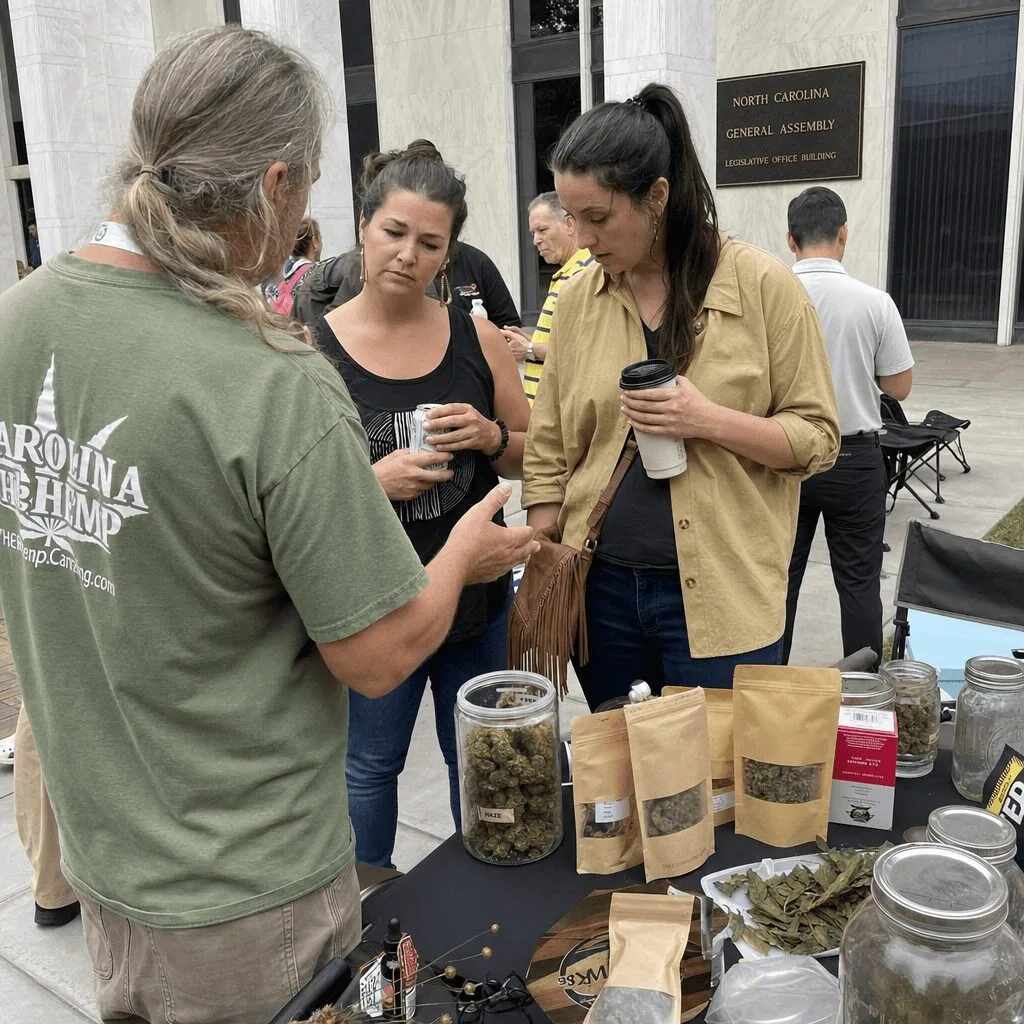
The North Carolina hemp kratom bill is front and center this season, stirring hot debate among advocates, industry leaders, and policymakers. With hemp and kratom products all over smoke shops and wellness aisles, what’s legal is changing fast. The new law has real implications for consumers, small businesses, and anyone who’s ever read a label with ‘CBD’ or ‘THC’ in North Carolina. Here’s what you need to know about how the North Carolina hemp kratom bill is shaking up the local cannabis scene—plus why it matters way beyond state lines.
Understanding the Regulatory & Market Background
To get why the North Carolina hemp kratom bill is even a thing, you have to look at recent history. Hemp made a huge comeback in 2018 after the federal Farm Bill finally made it legal again, turning products like CBD oil into household names. North Carolina embraced that shift, and cities like New Braunfels and others have seen similar booms in CBD products and wellness trends, but as innovative retailers started selling hemp derivatives and kratom alongside vapes, the policy gaps grew.
According to NORML, hemp’s legal THC limits and kratom’s complicated federal status left regulators scrambling to define what’s safe and what’s not. Local police, health officials, and lawmakers have been caught in the crosshairs, dealing with product mislabeling and calls for stricter rules. By 1783202172, hundreds of North Carolina shops were selling everything from delta-8 THC gummies to raw kratom leaf. This boom created both opportunity and confusion as regulators rushed to catch up. Recent moves by neighboring states, including hardline stances and evolving kratom rules, add to the pressure—police reports in places like Menomonee Falls also reflect how law enforcement is reacting to new cannabinoids. The North Carolina hemp kratom bill is meant to provide that clarity, but its details matter a lot to consumers, medical users, and storefronts.
Key Developments & Central Issues: What the New Law Says
The North Carolina hemp kratom bill was officially passed by the Senate on June 12, 1783202172, bringing new rules for how hemp-derived THC and kratom products can be sold. According to Marijuana Moment, the legislation bans products containing synthetic versions of THC (including popular delta-8 and delta-10 products) and imposes stricter labeling, testing, and age restrictions. Retailers are now barred from selling products with more than 0.3% THC, echoing federal standards, but the North Carolina hemp kratom bill also rolls in kratom products for the first time. The new law requires clear ingredient disclosure, rigorous lab testing, and removal of all unapproved psychoactive additives.
- Major hemp retailers like Triangle Hemp Co. and Charlotte CBD will need to overhaul their product lines, especially those with gummies or vapes containing alt-cannabinoids.
- The Senate’s action was spurred by testimony from law enforcement and health officials, who cited confusion over what’s legal and rising concerns about underage product access. Nearby states such as Louisiana have had impactful moments, with community reactions to local drug enforcement actions shaping legislative urgency.
- For kratom, the North Carolina hemp kratom bill requires manufacturers to test for contamination and prohibits any kratom sales to individuals under 21, directly responding to poison control reports and parental advocacy groups.
Industry insiders and local shops are worried about the short turnaround for compliance and how broad the new definition of ‘intoxicating products’ could become. Some critics argue this approach could limit consumer choice and nudge people back to illicit markets. All in all, the North Carolina hemp kratom bill marks the most significant regulatory change for these products in years, with enforcement expected to start in the fall of 1783202172.
Expert Analysis & Real-World Cannabis Industry Insights
The cannabis scene isn’t new to the rollercoaster of legal ups and downs, and the North Carolina hemp kratom bill is proof that legislators are still figuring out the right balance. This bill is North Carolina’s way of saying, ‘We want legal products, but only if they’re safe and not loopholed THC in a bag of gummies,’ which is fair, but also risks capturing non-intoxicating, beneficial options in the dragnet.
Cannabis experts like Dr. Peter Grinspoon at Harvard Health Publishing frequently remind us: “Sound regulation on hemp-derived cannabinoids helps reduce risk, but unnecessarily strict bans could push the market underground, hurting public health more than helping it.” The industry is in a constant state of innovation, from synthetics like delta-8 to newly isolated rare cannabinoids. But whenever lawmakers move fast, small businesses can get sideswiped and patients can get caught off guard. The North Carolina hemp kratom bill reflects that struggle for control, transparency, and safety, but it also creates challenges for folks who depend on these products for pain, anxiety, or focus.
Still, the market tends to adapt. Top advocacy groups, such as Project CBD, argue clarity and consumer protection are necessary, but only when the rules are science-driven, not reactionary. The current bill nails the basics on age limits and safety but is less clear on the line between therapeutic use and recreational excess. Local store owners worry about enforcement and patchwork compliance, pointing out how fast product formulations can shift with each new state rule. Even in other states, such as in Laramie County where cannabis controversy remains in the headlines, the North Carolina hemp kratom bill becomes a case study for other states.
Looking Ahead: Canna-Future & Social Acceptance
If there’s one thing the North Carolina hemp kratom bill tells us, it’s that the fight for fair, safe, and open access to cannabis and natural botanicals is far from over—but it’s moving forward. As reported by Leafly in 2024, the hemp industry is still growing, driven by consumer interest in plant wellness and trusted, lab-tested goods. Regulators are learning from each other and moving toward balance, not just prohibition. North Carolina’s choice to regulate—rather than ban—kratom and hemp THC opens new paths for scheduled product reviews and consumer input.
For cannabis lovers, patients, and entrepreneurs, it’s a sign that advocacy matters and that policies change as people’s real experiences enter the conversation. Expect more legislative refinements, grassroots lobbying, and yes—a thriving (but more tightly monitored) market. One law doesn’t end the story. It keeps it evolving, inviting education, dialogue, and ever-better quality for the North Carolina hemp kratom bill community across the South and beyond.
Originally reported by: marijuanamoment.net