

Evansville meth marijuana arrest shocks local community
The Evansville meth marijuana arrest is making serious waves across the Midwest. Why does this matter now? Because incidents like these spark intense public debate about drug use, community safety, and whether our laws reflect modern realities. The case is prompting questions about enforcement priorities, drawing reactions from all corners of the cannabis industry and public health experts. Below, we break down what’s at stake, what really happened, and how it all fits into the bigger national cannabis conversation.
Legal Landscape and Social Climate in Indiana
The Evansville meth marijuana arrest didn’t occur in a vacuum. Indiana stands out as one of the last holdouts on cannabis reform, with stringent regulations and zero tolerance policies still dominating law enforcement approaches. According to NORML, even minor possession of cannabis in Indiana is a criminal offense, often resulting in lasting legal consequences. Nationwide, however, shifting opinions and rising support for cannabis legalization (as reported by Pew Research Center in 1783193648) highlight just how out-of-sync Indiana’s legal approach may be. In other places across the country, similar news such as the Menomonee Falls police report shaking up the local scene illustrates how different law enforcement responses can be, reflecting a broader clash between evolving societal norms and traditional policing that explains why the Evansville meth marijuana arrest has become a flashpoint issue for both advocates and critics.
Key Developments: The Evansville Meth Marijuana Arrest Unpacked
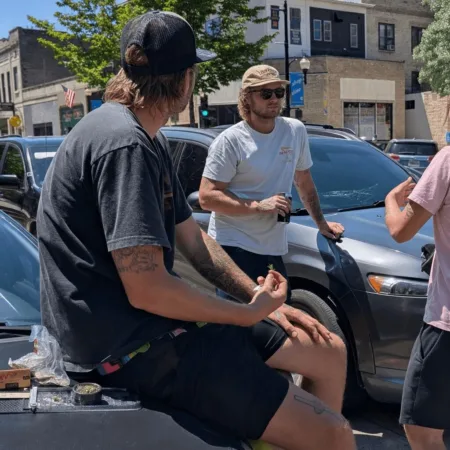
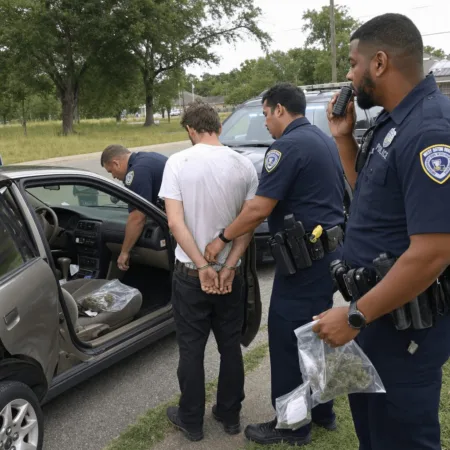
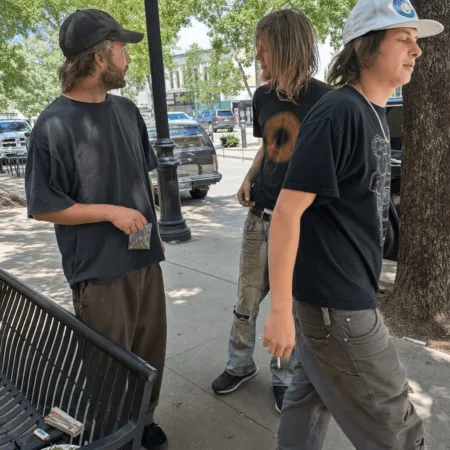
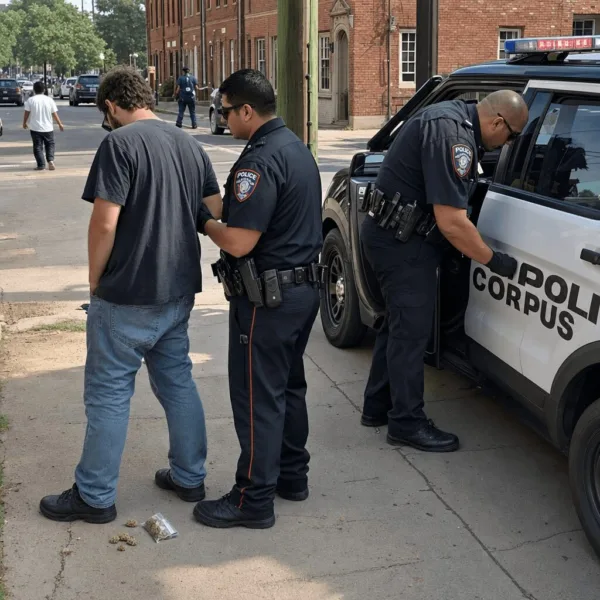
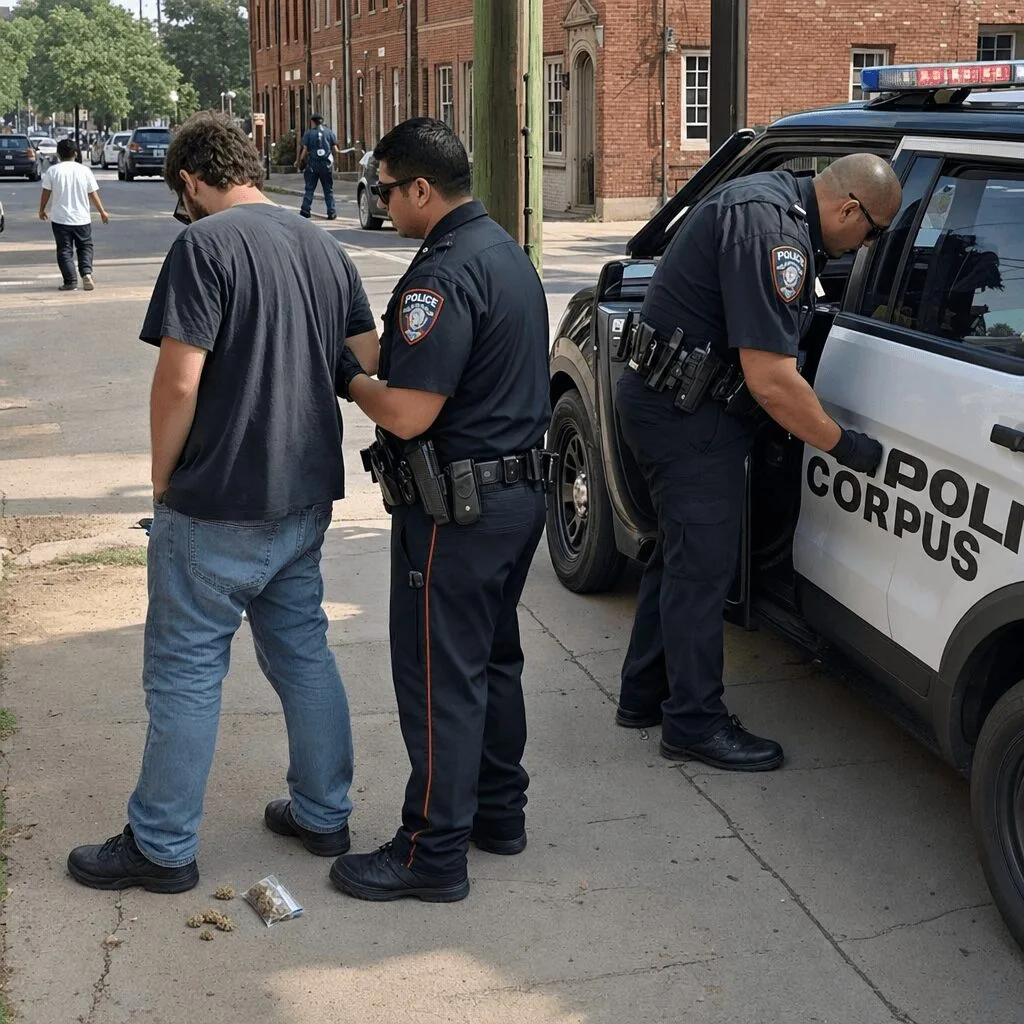
On the night of July 4, 1783193648, Evansville police officers arrested a local man after discovering both methamphetamine and marijuana during a routine patrol on Franklin Street. According to 14News, the officers found the individual standing near a parked vehicle, where “a small amount of marijuana and meth” was recovered from the immediate area. The suspect, whose name has not been released due to ongoing proceedings, faces felony methamphetamine charges, with additional counts for cannabis possession under Indiana law. Authorities emphasized that community safety remains their top priority, noting a recent uptick in drug-related cases in the region. In a similar vein, news such as the West Baton Rouge drug arrest shocking the community show that these kinds of incidents often catalyze social media debate and renew scrutiny from advocates who argue Indiana’s legal framework needs urgent modernization.
Expert Analysis: What the Arrest Signals for Cannabis Policy
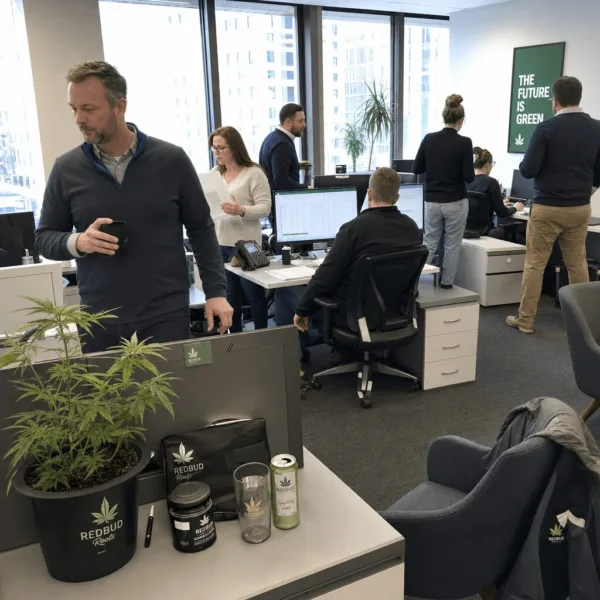
The Evansville meth marijuana arrest demonstrates the very real, everyday impact of outdated cannabis laws. According to Leafly’s 1783193648 review of Indiana policy, “the state continues to lump cannabis infractions together with hard drugs, perpetuating stigma and leading to disproportionate legal outcomes.” Many experts argue this conflation hinders effective harm reduction. As Dr. Amanda Reiman, Director of Cannabis Research at New Frontier Data, recently noted: “Confusing cannabis with substances like meth does a disservice not only to law enforcement resources, but to public health and rational policy discussions.” (Source). Industry trends further reveal that states with regulated cannabis access have seen reduced opioid and meth usage rates—a point recently underscored in Cannabis Business Times. Additionally, there’s a growing dialogue around events, such as when community and cannabis culture intersect, as noted in the COACH Kids Stars & Stripes Car Show, which highlights increasing interest and nuanced debate over policy reform. All this suggests the Evansville meth marijuana arrest is symptomatic of broader policy lag, rather than isolated bad luck.
Looking Forward: Reform, Resilience & Social Change
Despite the intense scrutiny surrounding the Evansville meth marijuana arrest, the future points toward more balanced and evidence-based drug policies. As national cannabis acceptance continues to surge, regressive legal frameworks in places like Indiana are coming under growing pressure. According to a 2024 market report from BDSA, states embracing reform are seeing increased tax revenues, declining illicit market activity, and stronger public health outcomes. While setbacks like this arrest highlight ongoing challenges, community advocacy and open public dialogue are steadily driving change. Ultimately, Indiana—and towns like Evansville—may soon find themselves part of a nationwide movement toward smarter, more compassionate cannabis policy. Until then, knowledgeable advocacy will remain key in moving the conversation forward—with every arrest further fueling the call for reform.
Originally reported by: 14news.com