





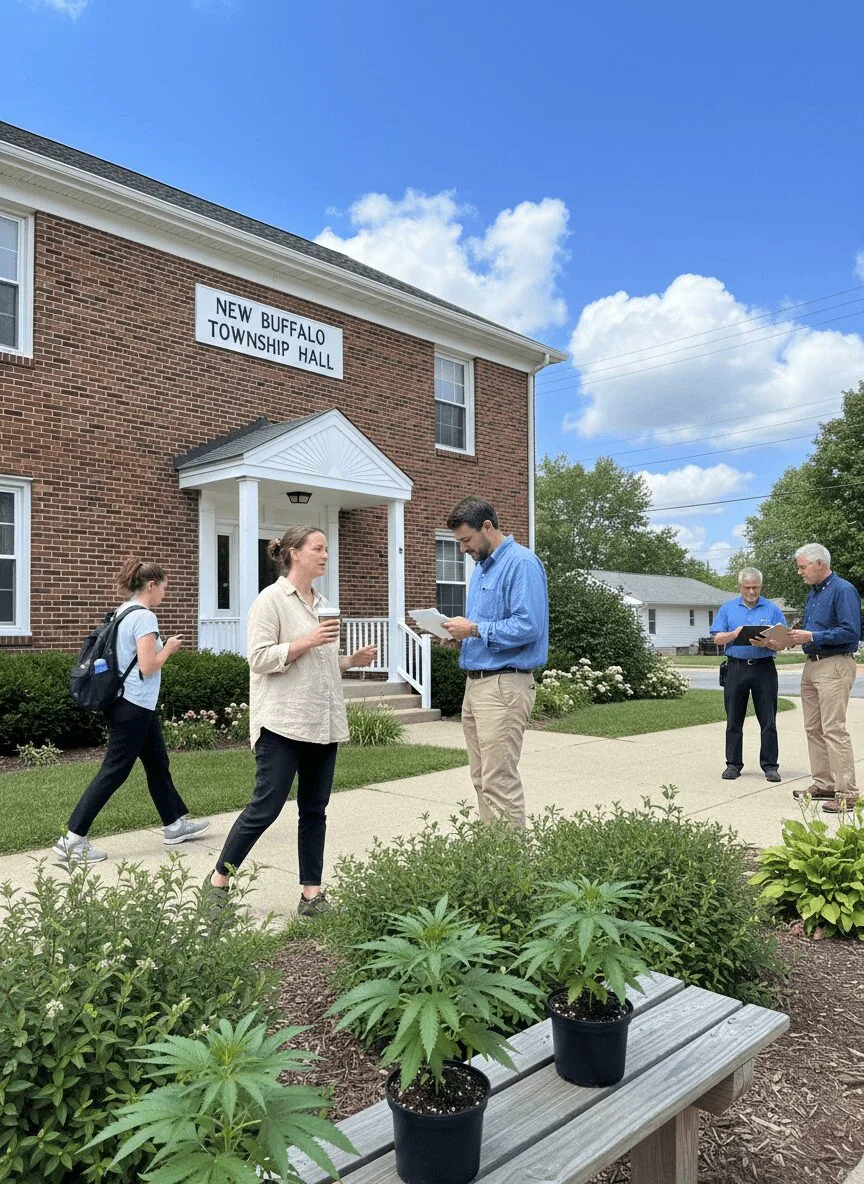
New Buffalo Township cannabis revenue tops $1.4 million
The conversation around the New Buffalo Township cannabis revenue story is heating up and it’s not just smoke. With over $1.4 million pouring in from legal cannabis sales, this small Michigan township is quickly becoming a case study in community reinvestment, economic revitalization, and smart policy moves. As states across the Midwest grapple with evolving cannabis laws, New Buffalo Township’s recent revenue boom couldn’t be timelier. In this article, we’ll unpack how it happened, which factors drive these numbers, and what it could mean for the local scene, residents, and the broader industry.
The Evolving Landscape: Michigan’s Cannabis Revolution & New Buffalo Township
Understanding the New Buffalo Township cannabis revenue surge starts with a look at the backbone, Michigan’s progressive cannabis legislation. Since Michigan voters approved adult-use cannabis in 2018 (Michigan Cannabis Regulatory Agency), the state has become a magnet for both weed enthusiasts and tax revenue. Local control provisions empower townships like New Buffalo to craft their own licensing and zoning policies. Recent industry reports from MJBizDaily reveal Michigan as one of the Midwest’s fastest-growing cannabis markets, reflecting strong consumer demand, cross-border tourism, and a growing acceptance among residents. For example, neighboring Indiana has also been exploring bold moves regarding legalization, as detailed in recent updates on Indiana cannabis policy. This surge in sales has dramatically boosted township coffers, creating ripple effects across public services, infrastructure, and even law enforcement budgets. But New Buffalo Township, perched near state lines and Lake Michigan, is unique, its blend of hospitality, interstate visitors, and welcoming business environment fuels exceptional returns.
Major Developments: $1.4 Million and Counting, What’s Driving New Buffalo Township Cannabis Revenue?
The heart of the New Buffalo Township cannabis revenue story is clear: legal sales are shattering expectations. According to the Herald-Palladium, the township pulled in more than $1.4 million in cannabis allocations during its latest cycle, with the bulk derived from state excise taxes and fees. The revenue influx is earmarked for community improvements, infrastructure updates, and strategic reserves. Township Supervisor Michelle Heit reports that these funds ease pressure on local taxpayers and prop up rainy-day savings. Much of this green boom is attributed to the township’s trio of licensed dispensaries, representing brands like Gage Cannabis Co., which have seen steady traffic from locals and out-of-state customers. Crucially, this is not just one-time cash, as quarterly disbursements from the Michigan Marihuana Regulation Fund ensure the township can plan ahead. As noted by legal filings from Michigan regulators, similar towns are now eyeing New Buffalo’s approach, hoping to replicate its streamlined licensure and smart zoning. Other states are also reconsidering their own allocation models, especially as changes in federal scheduling could further impact regional policies; readers interested in those developments can see this coverage on potential federal scheduling changes. The result is a mini-case study in how embracing logical weed policy can pay off, literally.
Expert Take: Why New Buffalo Township Cannabis Revenue Is More Than Just Hype
Here’s where context, experience, and some good ol’ cannabis wisdom matter. The New Buffalo Township cannabis revenue model showcases a microcosm of what’s possible when communities lean into legalization with intelligence and heart. Industry veteran Kris Krane, policy analyst and founder at 4Front Advisors, puts it this way in a Forbes column: “Cannabis tax dollars can become a sustainable engine for local change when governments prioritize transparency and direct community benefits.” Experts and township officials alike agree, these funds aren’t just plugging budget holes, they’re fueling park improvements, tech investments, and public events. Critics sometimes fret about potential downsides, but data-driven oversight from bodies like the National Organization for the Reform of Marijuana Laws (NORML) continues to show a strong safety profile and minimal adverse impacts where policy is handled well. Some communities across the country have seen how tax breaks for medical cannabis can also transform local balance sheets, a topic explored further in this look at medical cannabis tax breaks. New Buffalo Township’s public forums and transparent allocation models are helping to destigmatize cannabis and showcase responsible stewardship. Ultimately, as echoed by MJBizDaily’s recent coverage, the revenue boost here demonstrates how pragmatic regulation paired with robust local engagement can spark positive outcomes for everyone, from renters to retirees, business owners to first-time homebuyers.
Looking Ahead: A Bright Green Future for New Buffalo Township Cannabis Revenue
As more townships analyze the New Buffalo Township cannabis revenue playbook, we’re starting to see a regional ripple effect. With state regulators and residents alike planning for a future built on innovation and fairness, this Michigan community’s success offers a hopeful glimpse at the industry’s next chapter. According to a Leafly industry jobs report, cannabis-driven revenue and hiring are up across the Midwest, with new investments and lasting acceptance on the rise. If current trends hold, expect further transparency, expanded social equity programming, and even more robust community benefits from township-led legalization. Bottom line? The story of New Buffalo Township cannabis revenue is just getting started—and the future is looking greener by the day.
Originally reported by: paxtonmedia.com



1 Comment
Pingback: Mt. Juliet traffic drug bust: Shocking Details Revealed