




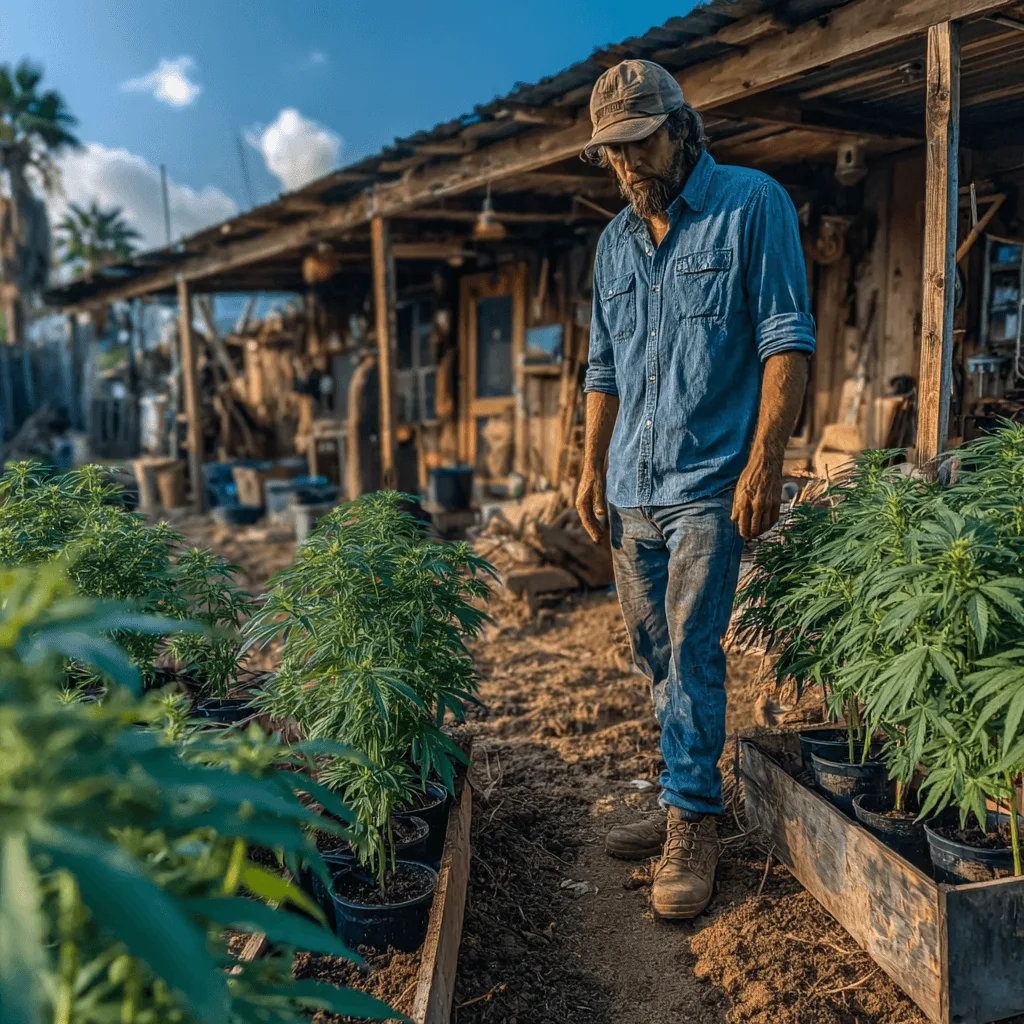
The Regulatory Landscape: Navajo Illegal Marijuana Operations in Context
The conversation about Navajo illegal marijuana operations sits at the intersection of evolving federal, state, and tribal law. Marijuana remains federally illegal, but state-level legalization is widespread, creating a complex situation. On sovereign tribal lands such as the Navajo Nation, layered legal complexities often drive confusion about enforcement. The U.S. Department of Justice’s policy allows some tribal discretion, but federal prosecution remains possible. Arizona, a neighboring state, now sanctions recreational and medical use, which complicates the legal landscape. The Navajo Nation, spanning northern Arizona and parts of Utah and New Mexico, retains its own prohibition—even as economic hardship and unemployment prompt discussions about potential cannabis revenue sources, according to NPR. These factors make the emergence and prosecution of Navajo illegal marijuana operations both inevitable and contentious, highlighting disputes over tradition, law, and economic need. Increased cannabis tax revenue has transformed many communities recently, as seen in stories like how cannabis tax revenue assistance is changing lives in Moline today, sparking debate within the Navajo Nation regarding potential benefits versus risks.
Key Developments: What Really Happened with Navajo Illegal Marijuana Operations?
Recently, a Navajo man pleaded guilty to managing illegal marijuana grow operations on tribal land, a case detailed by Your Valley. According to court records, authorities discovered hundreds of cannabis plants in rural backyard locations, with sophisticated irrigation and distribution evidence. The operations, situated near Shiprock, came under suspicion after unusual water consumption and local reports. In late May 2024, the individual admitted to cultivating marijuana in violation of Navajo Nation law, which opened him to both federal and tribal prosecution. Investigators noticed recurring patterns of organized cultivation methods, similar to commercial operations with no regulatory oversight. This incident is part of a broader trend—federal prosecutors have observed a rise in Navajo illegal marijuana operations since 2021, particularly after Arizona’s legalization, which has lured illicit market participants onto reservation land as a legal gray area. The guilty plea demonstrates joint efforts by tribal authorities and federal agents to address such activities, fueling community debate about the direction of cannabis regulation on Navajo lands. Meanwhile, other regions like Minnesota are seeing dramatic shifts with new dispensary openings as described in the emergence of Rochester recreational cannabis dispensaries, underscoring the shifting legal and cultural landscape nationwide.
Expert Insight: Why Navajo Illegal Marijuana Operations Matter & What Comes Next
What’s the larger context here? Legal experts believe cases like this show the depth of U.S. cannabis law conflicts. As covered by Marijuana Moment, “Tribal sovereignty often clashes with surrounding state laws and federal prohibition, creating legal limbo and enforcement headaches,” notes cannabis policy analyst Morgan Fox. Similarly, industry leaders warn that overly aggressive prosecution fails to resolve community needs and economic pressures. Tribal leaders are under unique pressure—balancing public health, social, and moral concerns with arguments for cannabis tax revenue. As Leafly recently stated, “Without clarity and reform, these Navajo illegal marijuana operations will remain a flashpoint, showing the need for nuanced, respectful solutions that honor both sovereignty and the changing cannabis economy.” No question, crucial issues of authorization, livelihoods, and trust are at stake. From a broader perspective, this situation demonstrates why regulatory clarity, reform, and community involvement matter far more than continued prohibition. Market shifts like those observed with the evolving cannabis investment landscape in Sri Lanka reveal that the challenges and opportunities facing tribal communities are part of global conversations about cannabis policy and local control.