


Midland Whataburger drug arrest: Shocking details revealed
The recent Midland Whataburger drug arrest is stirring up major conversation in Texas and beyond. Legalization buzz, shifting public opinion, and continued law enforcement crackdowns make every headline matter. This arrest–caught right outside a Midland fast-food staple–brings issues of cannabis stigma and policing attitudes into sharp focus. In this piece, I’ll break down what happened, why it matters for cannabis reform, and how this surprising local news connects to industry-wide trends.
Background: Legal and Social Climate in Midland, Texas
To really grasp the significance of the Midland Whataburger drug arrest, it’s crucial to understand Texas’s patchwork of cannabis regulations. Despite America’s ongoing wave of cannabis legalization, Texas remains among the most strictly regulated states, limiting access mainly to hemp-derived CBD and low-THC medical cannabis under the Compassionate Use Program, Texas Department of Public Safety. Midland, a city deeply shaped by oil and conservative values, tends to reflect these statewide attitudes. Arrests for minor cannabis possession here still happen, despite national shifts and mounting evidence of the industry’s benefits. Social stigma remains, though recent Pew Research polls reveal support for reform is growing. The ongoing debate about state laws, such as those impacting hemp-derived products, is also seen in discussions of how proposed regulations could disrupt CBD access for many across the country (see how proposed laws shake up CBD shops nationwide). For cannabis advocates, every arrest is a reminder that change, while inevitable, is not yet universal.
Breaking Down the Midland Whataburger Drug Arrest: Core Facts & Timeline
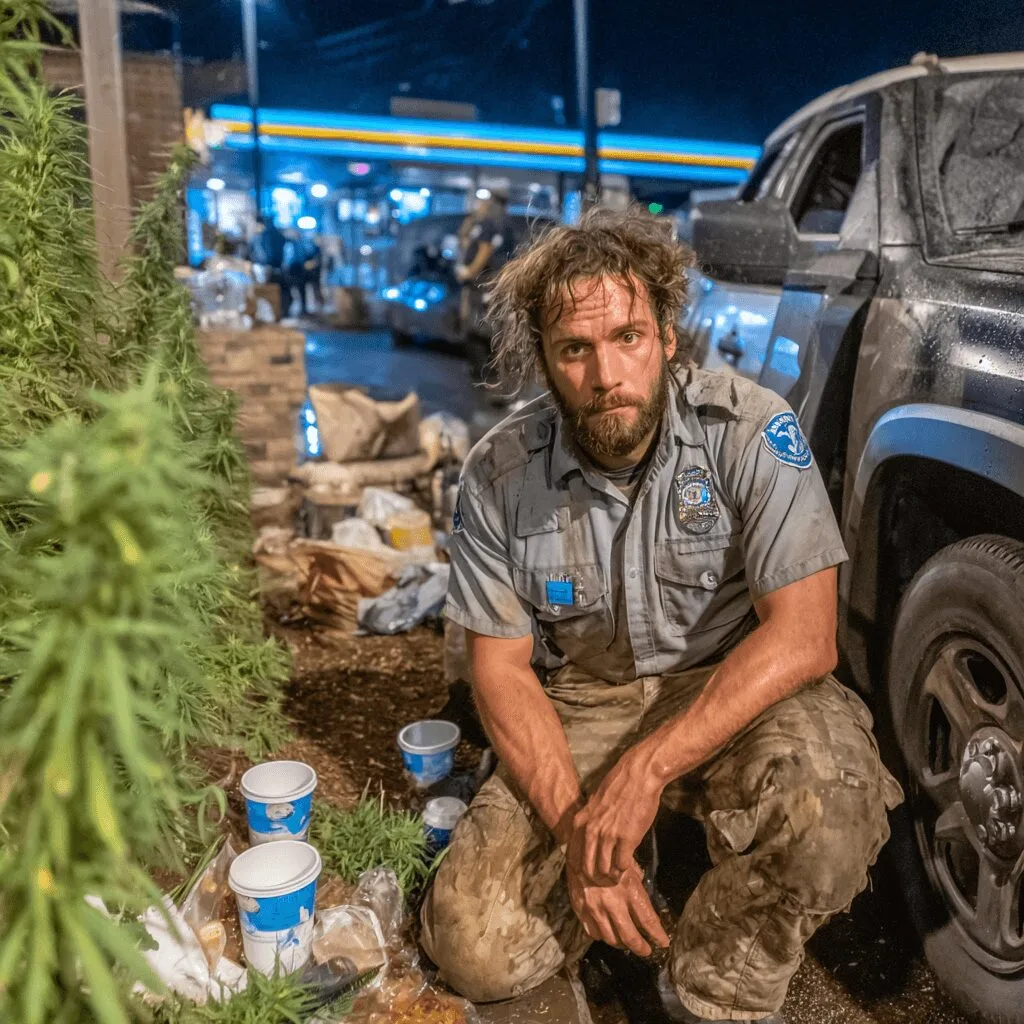
According to Midland Reporter-Telegram coverage, the incident took place in late May 2024 in a bustling Whataburger parking lot, a well-known late-night spot for locals. Midland police officers responded to a report of suspicious activity. On arrival, they approached a casually dressed Hispanic man. A nondescript unmarked law enforcement vehicle was present. Officers searched the individual’s personal belongings, allegedly discovering several small bags containing green plant matter that field-tested positive for cannabis. The man was arrested onsite on possession charges. Fast food bags, drinks, and personal items were visible at the scene, highlighting how an everyday meal quickly shifted into a legal ordeal. The police emphasized strict adherence to state law, while refusing to name the arrested individual pending official case review. As policy changes sweep different states, it’s relevant to note that delivery and enforcement strategies are evolving in areas nationwide (for instance, the rise of new services as seen with recent cannabis delivery initiatives). This story has raised questions about local priorities and how law enforcement allocates resources in nonviolent, low-level cannabis cases, especially in the context of the Midland Whataburger drug arrest. The arrest, though not involving a large quantity nor other criminal accusations, has generated a flurry of response across social media and prompted calls for policy discussion from local advocates.
Expert Analysis & Insights: Reading Between the Headlines
This incident at Whataburger is more than just another headline. It’s reflective of how lagging reform in Texas keeps cannabis consumers on edge. As Marijuana Moment frequently reports, low-level arrests for cannabis remain prevalent in states without full legalization, despite overwhelming national support for sensible, equitable policy. Midland’s approach contrasts with forward-looking states like Colorado and Illinois, where cannabis arrests have plummeted and resources are focused on real public safety concerns (see the impact of funding allocations on safer streets in legalized markets). Citing NORML Texas Penalties, “Texas’s harsh approach to low-level cannabis offenses doesn’t match the science nor the will of the people.” Dr. Amanda Reiman, policy director at the Drug Policy Alliance, has said, “Criminalizing cannabis, especially at this scale, undermines trust in law enforcement and wastes resources that could be used to address real community issues.” For those tracking trends at the national level, keeping up with the latest cannabis policy updates is increasingly important as legal landscapes continue to shift. The message is clear: situations like the Midland Whataburger drug arrest are symptoms of outdated policy rather than real criminal activity that threatens public safety.
Future Outlook: From Arrests to Acceptance
While the Midland Whataburger drug arrest highlights deep-rooted issues, it’s also a sign of change on the horizon. Public support for compassionate cannabis laws continues to grow, as shown by nationwide polls. Across the U.S., reforms in places like Missouri and Maryland point to an inevitable shift towards acceptance and smart regulation. As more Texans push back on incidents like the Whataburger arrest, pressure mounts for legislators to join states already reaping the rewards of legalization—reduced caseloads, boosted economies, and increased public safety. The cannabis industry just keeps growing in influence, with the power to shape policy from the ground up. Ultimately, every headline–even a Midland Whataburger drug arrest—brings the Lone Star State one step closer to progress, normalization, and real justice. Stay tuned and stay informed; what’s outlier in Midland today could be history tomorrow.
Originally reported by: mrt.com