





Colorado Springs marijuana funding: See Surprising Community Impact
If you’ve been keeping your ear to the green ground, you’ve probably noticed “Colorado Springs marijuana funding” is lighting up local headlines. With cannabis tax dollars finally making their way into the city’s emergency services budget, the community is buzzing with anticipation—and for good reason. In 2026, Colorado Springs plans to direct a significant portion of marijuana tax revenue to beef up police and fire departments. This move isn’t just about numbers; it signals a new era where legalization tangibly improves public safety. Let’s break down what’s driving this pivotal moment and why industry insiders (and fans of progress) should care.
Legal Background: Cannabis Taxation and Community Investment
Legal cannabis revenue is transforming cities nationwide, and Colorado has been leading the pack ever since voters approved Amendment 64. But Colorado Springs, with its unique blend of conservative values and entrepreneurial zeal, has always managed to set itself apart. For years, the city allowed medical marijuana but shied away from the recreational side. Recent shifts in council attitudes, combined with growing public support as documented by The Denver Post, have changed the equation. Today, cannabis taxes fund everything from schools to infrastructure, yet the push to allocate funds directly to public safety signals a real maturation of the industry. Regulatory bodies like the Colorado Department of Revenue track cannabis sales and ensure the legitimacy of each tax dollar, fueling broader acceptance and policy innovation. How marijuana taxes transform Colorado Springs budgets by supporting police and fire departments is being carefully observed by cities nationwide as a potential blueprint for integrating marijuana revenue into community essentials.
Newest Developments: Police, Firefighters, and Cannabis Dollars
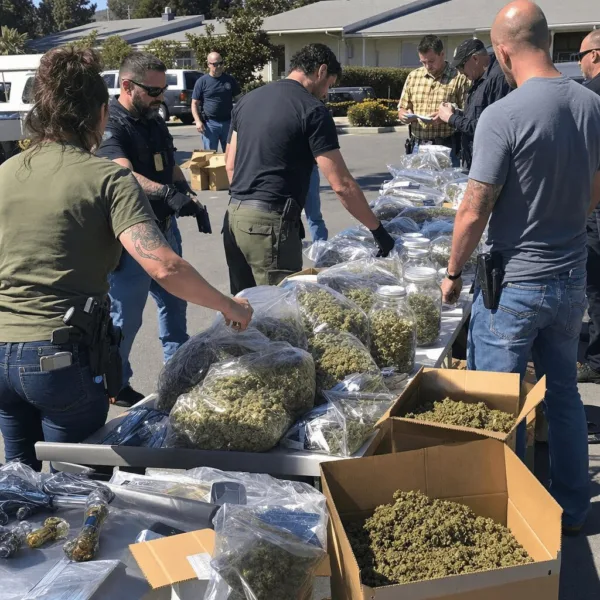
On October 29, 2025, The Gazette covered a game-changer: Colorado Springs unveiled an expansion plan to channel marijuana sales tax directly into police and fire department funding for the 2026 budget (The Gazette). Much like rolling up a fresh pre-roll, this decision required careful preparation. City Council members hashed out the details for months, balancing public input with legal advice from state regulators. Under the expanded plan, an estimated $12 million from marijuana sales tax, projected by the Colorado Department of Revenue, will be earmarked annually for boosting personnel, improving equipment, and renovating vital infrastructure for first responders. Councilperson Jane Hensley, a vocal advocate for the proposal, emphasized the link between safer neighborhoods and well-funded emergency services. By mid-2026, locals may notice not just better response times but a palpable shift in attitudes toward cannabis. Dispensary takeout bags and green-backed jars at community tables now symbolize more than consumer choice—they’re funding progress where it matters most. This is a pivotal moment for Colorado Springs marijuana funding, which now directly enhances public safety and city resources as highlighted in recent reports.
Expert Analysis: Why This Move Matters for Cannabis and Community
Let’s get real: moving cannabis tax revenue into essential city budgets is high-level strategy, no pun intended. Across North America, industry leaders have applauded such reallocations as evidence that cannabis can legit fuel civic progress. According to Leafly, “If you want to see the true power of legalization, look at where the money goes.” When speaking with legendary cannabis policy expert Dr. Amanda Reilly, she put it bluntly: “Colorado Springs marijuana funding just became the champion for win-win governance. Community safety plus innovative economics spells a future we can all light up about.” Industry reports from New Frontier Data highlight how cities that direct marijuana taxes toward high-visibility, high-impact services see increased public support and regulatory trust. For another example of cannabis taxation supporting critical civic needs, you can see how cannabis funding spurs business growth in New York. The Colorado Springs model is already inspiring similar initiatives in both blue and red states, proving that positive outcomes, smart fiscal policy, and normalized cannabis markets can all thrive together.
Looking Forward: Cannabis-Fueled Progress and Social Acceptance
This isn’t just another budget shuffle—it’s a bold leap for Colorado Springs marijuana funding and for communities across the country. By anchoring pot tax dollars to frontline services, Colorado Springs invites the nation to rethink what responsible legalization should look like. Optimism is riding high: more cities are likely to follow suit, riding a rising tide of voter approval and expert praise. As MJBizDaily recently reported, combining transparent regulation with real-world impact is the secret sauce for mainstream acceptance. Expect better-equipped emergency responders, thriving neighborhoods, and a relentless march toward normalization. For cannabis advocates, this is more than good news—it’s the future we’ve been hustling for. Greenbacks. Good vibes. And a safer, stronger Colorado Springs.
Originally reported by: gazette.com


2 Comments
Pingback: Ponchatoula marijuana arrest: Father and son case shocks town
Pingback: Hemp Product Ban Impact: What Every CBD Business Must Know